




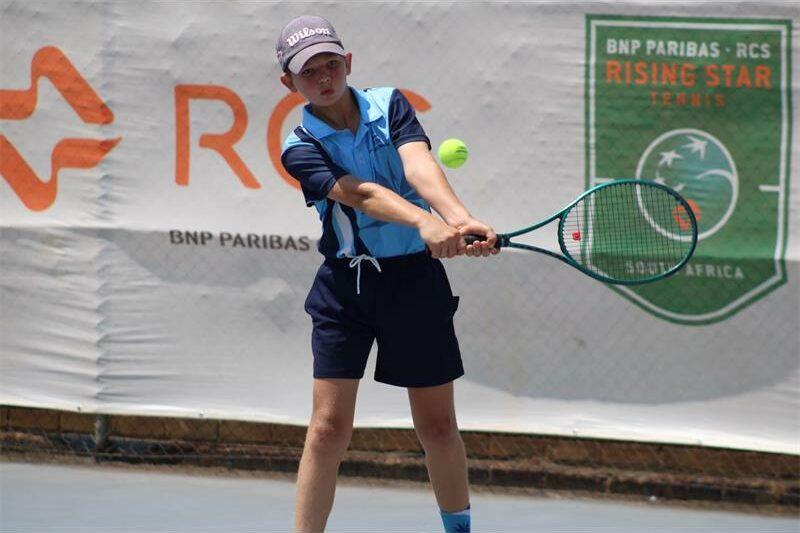
“South Africa’s 2026 RCS Rising Star Tennis National Finals are scheduled to conclude on 1 November at the end of a three-day national competition involving qualifying school teams from across the country. The seventh edition highlights the expansion of grassroots tennis, with 891 school-team entries recorded during 2026, increased participation by no-fee schools and continued opportunities for wheelchair tennis players.”
South Africa’s grassroots tennis development takes centre stage
South African tennis is drawing attention to its future generation as the 2026 RCS Rising Star Tennis National Finals reach their scheduled conclusion on Sunday, 1 November. The national competition represents an important moment for school tennis, bringing together young athletes who have progressed through district and provincial competitions to represent their schools and communities at national level.
The tournament forms part of Tennis South Africa’s continuing efforts to increase participation, identify emerging talent and make tennis more accessible to children from different backgrounds. Supported by the RCS Group, the initiative has developed into one of the country’s significant school tennis development programmes.
The seventh edition is particularly important because participation has continued to increase. According to reporting published ahead of the national finals, the programme recorded 891 school-team entries in 2026, representing growth of 6.7% compared with the previous year. This growth demonstrates the continuing interest in school tennis and the potential for structured development programmes to introduce more children to the sport.
National finals bring together emerging tennis talent
The national finals are scheduled for 30 October to 1 November 2026, providing three days of competition for qualifying school teams.
The competition creates an opportunity for young players to experience national-level sporting events while representing their schools and provinces. It also allows coaches, teachers, families and tennis development officials to observe the progress of players who have participated in earlier stages of the programme.
For many young athletes, reaching the national finals is an important achievement in itself. School tennis provides a structured environment in which players can develop technical ability, competitive confidence and an understanding of sporting discipline.
Unlike professional tournaments, where the focus is primarily on individual rankings, prize money and international results, school competitions also place considerable emphasis on teamwork, participation and personal development.
The national finals therefore represent more than a competition for trophies. They demonstrate how school-based sporting programmes can introduce children to tennis and encourage them to continue participating as they grow older.
The event also provides an opportunity for schools from different provinces to meet, compete and learn from one another. Such interactions can strengthen relationships between sporting communities and encourage the sharing of coaching experience.
Participation increases across South Africa
One of the most significant developments surrounding the 2026 competition is the growth in school participation.
The 891 school-team entries reported this year represent a notable increase from the programme’s earlier years. When Rising Star Tennis began during the 2019/2020 period, it attracted 361 entries. Its subsequent expansion demonstrates how sustained investment and organised competition can help build interest in a sport.
Participation has grown through district and provincial competitions, allowing schools to develop their teams before progressing towards the national finals.
This structure is important because young players need regular opportunities to compete if they are to improve their abilities. Training is essential, but competitive experience teaches athletes how to manage pressure, make decisions and respond to changing situations during matches.
The programme also provides an opportunity for schools that might otherwise have limited access to organised tennis competitions.
According to the reporting published before the 2026 finals, more than half of this year’s entries came from no-fee schools. This is particularly important in a country where the cost of sporting equipment, coaching and access to suitable facilities can prevent children from participating in certain sports.
Making tennis more accessible to young people
Tennis has traditionally faced accessibility challenges in communities where suitable courts, equipment and professional coaching are not readily available.
Although South Africa has a strong tennis history, opportunities to participate are not equally distributed across all communities. Children attending schools with established sporting facilities may have greater access to regular coaching and competition than learners attending schools with fewer resources.
The RCS Rising Star Tennis initiative seeks to address some of these challenges by providing a structured development platform.
Free participation in the school development series is one of its important features. By reducing entry costs, the programme helps schools consider participation without facing the same financial barriers associated with many organised sporting competitions.
Support for equipment and officials also contributes to the programme’s accessibility. Tennis balls, tournament organisation and assistance for qualifying schools travelling long distances can make a meaningful difference to participating communities.
Nevertheless, expanding access requires more than hosting a national tournament. Schools need continued opportunities to practise, suitable facilities and coaches who can support young players throughout their development.
The long-term success of school tennis will depend on maintaining these opportunities beyond the national finals.
Wheelchair tennis strengthens the inclusive development programme
Another important feature of Rising Star Tennis is its inclusion of wheelchair tennis.
The programme recognises that young people with disabilities should have opportunities to participate in organised sport and develop their athletic abilities.
Wheelchair tennis requires exceptional coordination, concentration, tactical awareness and physical preparation. Players must develop the ability to position their wheelchairs effectively, control movement and respond quickly to their opponents.
Including wheelchair tennis within the broader school development programme helps increase awareness of adaptive sport and demonstrates that tennis can accommodate athletes with different physical abilities.
It also gives participating schools an opportunity to recognise sporting talent beyond traditional categories.
The importance of this approach extends beyond competition. Inclusive sporting environments can improve confidence, encourage social interaction and provide young athletes with opportunities to represent their schools and communities.
South Africa has produced internationally respected wheelchair tennis players, and introducing younger athletes to the sport can help strengthen its future development pathway.
The continuation of wheelchair tennis within the 2026 Rising Star programme is therefore an important part of its broader contribution to South African sport.
New Orange Ball category introduces younger players
The 2026 edition also includes an important development through the introduction of an Orange Ball category at district level.
The new category is intended for younger players born in 2015 or later. It creates an additional opportunity for children to begin competing while developing the basic skills needed for more advanced tennis.
The programme continues to include the Green Ball category for primary-school players born in 2014 or earlier, alongside its wheelchair tennis division.
Developmental categories are important because children do not all progress at the same speed. Introducing age-appropriate competition can help younger participants build confidence without immediately facing the demands of more advanced tournament formats.
For beginners, learning how to serve, rally, move around the court and understand scoring can take time. A supportive competitive environment can make this learning process more enjoyable.
The Orange Ball category also strengthens the programme’s ability to introduce tennis to children before they reach the older primary-school age groups.
In the longer term, these young participants could progress into Green Ball competitions, provincial tournaments and other recognised junior tennis events.
Western Cape schools provide a strong competitive benchmark
The Western Cape enters the 2026 finals period with a strong record from the previous national competition.
Durbanville Primary School won the boys’ national championship in 2025, while Courtrai Primary School secured the girls’ title.
Their achievements demonstrated the competitive strength of school tennis in the province and provided inspiration for other young players seeking national success.
The 2025 competition also highlighted the importance of wheelchair tennis, with Helen Franz Special School from Limpopo winning both wheelchair categories.
These previous results provide useful context for understanding the development of the competition. However, the 2025 champions should not automatically be regarded as the 2026 winners.
The 2026 national finals provide a new opportunity for schools from all participating provinces to compete for recognition.
The eventual results will help identify the schools and players who have performed most successfully during this year’s competition.
The importance of school sport in developing future champions
South Africa’s ability to develop internationally competitive tennis players depends partly on the strength of its grassroots sporting structures.
Professional tennis players generally develop through years of practice, coaching, physical preparation and tournament experience. Identifying promising players early can help provide opportunities for them to progress into more advanced competitions.
School programmes can play an important role in this process.
They introduce children to the sport, create opportunities to identify talent and encourage participation among learners who might not otherwise consider tennis.
They can also teach important life skills. Tennis requires patience, concentration, determination and the ability to recover from mistakes.
A young player who loses an important point must learn to remain focused and prepare for the next one. These experiences can help develop resilience and self-confidence.
Team competitions add another dimension by encouraging communication, cooperation and mutual support.
For South African schools, investing in tennis can therefore contribute to both sporting achievement and broader learner development.
However, progression from school tennis to professional competition requires additional support. Promising players need access to suitable coaching, competitive tournaments, equipment and financial assistance.
The Rising Star programme provides an important starting point, but continued cooperation between schools, provincial associations, Tennis South Africa and private-sector partners will remain essential.
Private-sector partnerships support tennis development
The involvement of the RCS Group demonstrates how private-sector partnerships can contribute to the growth of grassroots sport.
National sporting programmes require resources to organise competitions, provide equipment, support participating schools and coordinate events across different regions.
Long-term sponsorship can help create the consistency needed for such programmes to expand.
RCS has supported Rising Star Tennis since its establishment, helping the competition develop into a nationwide initiative.
The partnership also illustrates how businesses can contribute to social development through sport.
For sponsors, school tennis provides an opportunity to support young people and invest in community participation. For schools, sustained sponsorship can help reduce some of the financial pressures associated with organised competition.
The effectiveness of these partnerships should ultimately be measured by their long-term impact: more participating schools, improved access, stronger coaching opportunities and continued involvement by young athletes.
What the 2026 finals mean for South African tennis
The conclusion of the 2026 RCS Rising Star Tennis National Finals provides an opportunity to reflect on the development of school tennis across the country.
The reported increase to 891 school-team entries demonstrates the programme’s growing reach. The participation of no-fee schools and the inclusion of wheelchair tennis also highlight the importance of creating opportunities for children from different communities and backgrounds.
The introduction of the Orange Ball category adds another development pathway for younger players.
These developments are encouraging, but the future of South African tennis will depend on maintaining participation beyond the national tournament.
Schools need access to courts, equipment and qualified coaches. Young athletes need opportunities to participate in regular competitions and progress into more advanced sporting structures.
Provincial tennis associations can help connect school programmes with clubs and junior development competitions, while sponsors can contribute towards the resources required to sustain participation.
Parents and teachers also have an important role in encouraging children to remain involved in sport.
The national finals should therefore be viewed as one stage in a longer development process rather than the final destination for participating players.
Conclusion
South Africa’s 2026 RCS Rising Star Tennis National Finals highlight the growing importance of grassroots tennis development and school participation.
With 891 school-team entries reported during the year, the programme demonstrates that interest in school tennis continues to expand. Its commitment to accessible participation, wheelchair tennis and opportunities for younger players provides a valuable foundation for the sport’s future.
Although the tournament’s champions and final results require confirmation through official post-event reporting, the broader significance is already clear: investing in young players and widening access to organised tennis can help strengthen South Africa’s sporting future.
The most important achievement will not simply be the schools that lift national trophies. It will be the number of children who discover tennis, develop their abilities and continue participating in the sport long after the competition has ended.



