




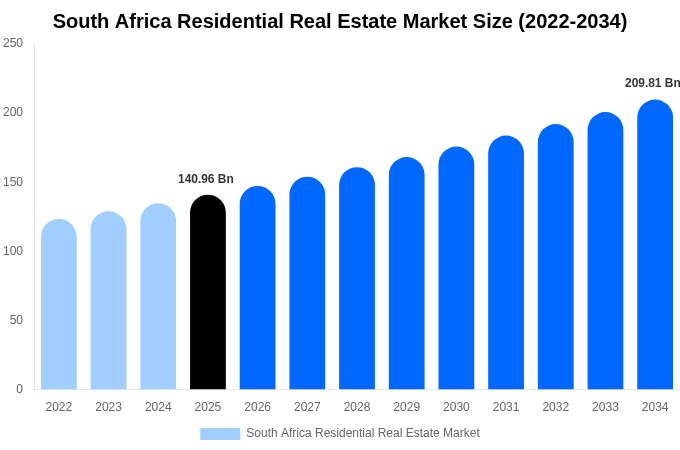
“South Africa’s residential property market remains resilient in August 2026, with first-time buyers driving demand and setting a new record average purchase price of R1.35 million. Stable interest rates, improved affordability, and government subsidies are fueling activity in the entry-level and mid-market segments.”
Market Resilience Amid Economic Uncertainty
South Africa’s residential property market continues to defy broader economic headwinds, showing resilience in August 2026. Despite inflationary pressures and cautious monetary policy, the sector has maintained stability, buoyed by strong demand from first-time buyers and steady lending practices by major banks. The South African Reserve Bank (SARB) has held the repo rate at 7.0%, keeping the prime lending rate at 10.5%. This decision has reassured households and developers, providing predictability in borrowing costs.
First-Time Buyers Dominate
First-time buyers now represent 53.2% of all home loan applications in Q2 2026, according to ooba’s Oobarometer. The average purchase price for this group has reached R1.35 million, a record high. This surge reflects both improved affordability and the desire for stability among younger South Africans entering the housing market. Government subsidies such as the Finance Linked Individual Subsidy Programme (FLISP) and the R1.1 million transfer duty exemption have further boosted demand in the sub-R1.5 million segment.
Regional Dynamics
- Western Cape: Semigration from Gauteng and KwaZulu-Natal continues to fuel demand, with Cape Town’s average property prices at R3.35 million, far above the national average of R1.95 million.
- Garden Route: Land values are appreciating at 6.5% annually, driven by lifestyle appeal and migration from inland provinces.
- Gauteng: Growth remains modest at 2.8%, but mixed-use developments and affordable housing projects are gaining traction.
Lending Environment
Banks including Absa, FNB, Nedbank, Standard Bank, and SA Home Loans are actively lending to qualified buyers, despite higher deposit requirements. While home loan applications dipped in July due to stricter deposit rules, approvals increased, signaling strong underlying demand. Improved household incomes and affordability calculations have allowed buyers to adapt to elevated interest rates.
International Investment
Foreign buyers, particularly from Europe and Asia, are increasingly investing in South African coastal properties. Favorable exchange rates and lifestyle appeal make South Africa an attractive destination for long-term investment. This influx of international capital is reshaping the coastal property landscape, with demand for luxury and lifestyle-driven parcels rising.
Tourism and Housing Demand
South Africa’s tourism industry has shown resilience, with overseas visitor arrivals rising 5.6% year-on-year in the first half of 2026. This growth has indirectly supported the property market, particularly in tourist-favored regions such as Cape Town and the Garden Route, where demand for short-term rentals and investment properties remains strong.
Outlook
The outlook for South Africa’s residential property market remains cautiously optimistic. Stable interest rates, improved affordability, and strong demand from first-time buyers are expected to sustain momentum through the remainder of 2026. However, challenges such as inflationary pressures, stricter lending requirements, and regional disparities in property values will continue to shape the market.



