




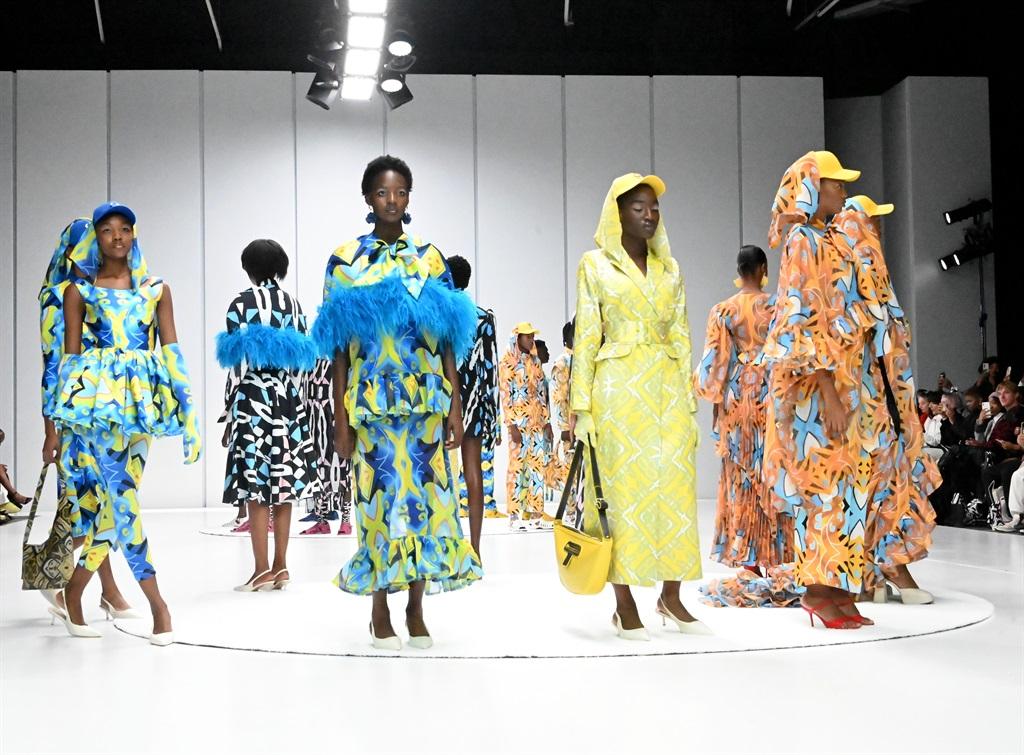
”Soweto Fashion Week will return from 5–7 November 2026 at Soweto Theatre in Jabulani, showcasing emerging and established South African designers through collections inspired by bold colours, expressive prints, movement and cultural identity. The event highlights the growing influence of homegrown fashion, with designers such as Mbobo Movement, RFL Studios, Zimisele and Shirley Joseph contributing to the changing direction of South African style.”
Soweto Fashion Week Spring/Summer 2026: Bold Colours, African Identity and Emerging Designers Shape South Africa’s Fashion Trends
South African fashion enters a vibrant new season
South Africa’s fashion industry is preparing for another important celebration of creativity, cultural expression and contemporary design as Soweto Fashion Week gets ready to present its Spring/Summer 2026 showcase from 5 to 7 November 2026. The event, scheduled to take place at Soweto Theatre in Jabulani, will bring together emerging designers, established fashion labels, students and creative professionals to showcase the changing direction of South African fashion.
The upcoming showcase arrives at a significant moment for the country’s fashion industry. Local designers are increasingly exploring the relationship between contemporary international fashion and South Africa’s diverse cultural identities. Through distinctive colours, expressive prints, innovative silhouettes and handmade details, designers are creating collections that reflect both modern lifestyles and the country’s cultural heritage.
The Spring/Summer 2026 season is expected to highlight these creative developments, giving designers an opportunity to demonstrate how South African fashion can remain internationally relevant without losing its distinctive identity.
Bold colours and expressive prints influence the new season
One of the central themes of the upcoming fashion showcase is the growing importance of colour and expressive prints. Rather than relying exclusively on neutral palettes and minimalist designs, South African designers are exploring more adventurous combinations that communicate individuality, confidence and creativity.
Bold colours have become an important way for designers to express personality and cultural influences. Bright shades, contrasting patterns and visually striking combinations offer opportunities to create garments that attract attention while communicating a particular creative vision.
Prints also remain an important feature of African-inspired contemporary fashion. Designers can incorporate cultural references, artistic influences and original pattern-making into clothing that feels modern while maintaining connections to local traditions.
These developments reflect a broader movement towards more expressive dressing. Consumers are increasingly exposed to different fashion aesthetics through social media, international runway presentations and local fashion events. Consequently, designers have opportunities to experiment with garments that appeal to customers looking for distinctive alternatives to mass-produced clothing.
For South African designers, the challenge is to translate these creative ideas into wearable collections that suit different occasions, lifestyles and consumer budgets.
Emerging designers receive an important platform
An important feature of Soweto Fashion Week is its commitment to providing opportunities for emerging designers.
The opening evening of the November showcase will feature nine emerging designers, including RFL Studios, Zimisele and Shirley Joseph. Fashion students from the University of Johannesburg and Tshwane University of Technology will also have opportunities to present their creative work.
This participation demonstrates the importance of connecting fashion education with the professional fashion industry.
For young designers, presenting a collection at a fashion event can provide valuable exposure, help develop professional relationships and create opportunities to attract customers and potential business partners.
The fashion industry requires more than creative ability. Designers must also understand garment construction, production costs, branding, marketing, distribution and customer expectations.
Participating in fashion showcases allows emerging creatives to experience the professional environment while presenting their work to audiences who may include retailers, media representatives, fashion enthusiasts and industry professionals.
Furthermore, opportunities for students to showcase their designs can strengthen relationships between educational institutions and the broader creative economy.
The involvement of university students is particularly important because it creates opportunities for young talent to move from classroom-based training into professional creative careers.
Mbobo Movement demonstrates the growing influence of local creativity
One of the notable stories surrounding this year’s showcase is the return of Mbobo Movement, the patchwork and denim label founded by designer Luthando Mbobo.
The brand is scheduled to appear on the second evening after previously participating in the Autumn/Winter 2026 emerging designers’ showcase.
Its progression to the main programme represents an encouraging development for an emerging South African fashion label.
Since its previous appearance, Mbobo Movement has received a nomination for Best Emerging Fashion Designer at the South Africa Fashion Awards and expanded its participation into children’s fashion through SA Kids Fashion Week.
These developments illustrate how fashion platforms can help emerging designers build recognition and explore new commercial opportunities.
The brand’s creative direction also reflects the importance of denim and patchwork in contemporary fashion.
Denim remains a versatile material because it can be adapted into different clothing categories, including jackets, trousers, skirts, dresses and accessories. Patchwork, meanwhile, offers designers an opportunity to combine different fabrics, textures and colours to produce distinctive garments.
By combining these elements, designers can create collections that communicate individuality rather than simply following conventional clothing designs.
Mbobo has indicated that the upcoming collection will feature bold colours and celebrate South African identity through fashion.
This approach reflects a wider opportunity for local designers to develop recognisable brands built around original ideas, creative storytelling and distinctive craftsmanship.
Denim continues to influence contemporary South African fashion
Denim is another important fashion direction highlighted by recent South African runway coverage.
At South African Fashion Week’s Autumn/Winter 2027 showcase, designers explored different interpretations of denim, demonstrating its flexibility as a material for contemporary clothing.
Ephymol presented reworked denim concepts, while Zayoni explored handcrafted denim and Sumo focused on individuality through unisex silhouettes.
These approaches suggest that denim is moving beyond traditional jeans and jackets into more experimental fashion categories.
For consumers, this development provides additional ways to incorporate denim into everyday wardrobes. Designers can combine traditional denim construction with unusual cuts, decorative details, contrasting materials and contemporary tailoring.
The growing interest in gender-inclusive clothing also creates opportunities for designers to develop garments that prioritise personal style rather than conventional fashion categories.
Although these runway developments belong to different fashion seasons, they provide useful context for understanding the creative direction influencing South African designers.
Fashion increasingly connects with music, entertainment and culture
Soweto Fashion Week’s final evening will demonstrate how fashion connects with other creative industries.
Television presenter Ayanda Nhlapo is scheduled to showcase her brand, House of Ayanda, while Afro-soul and R&B singer Wanda Baloyi will present Wanda Wear by Wanda Baloyi.
Other participating labels include Hoss by Sass by Sanele Thabethe and Dope Store.
The involvement of entertainment personalities demonstrates how fashion can become an extension of artistic identity.
Musicians, television personalities and other public figures can use fashion to communicate personal style, establish creative businesses and connect with audiences through clothing.
This relationship also provides opportunities for fashion brands to reach customers through entertainment, social media and public appearances.
However, successful fashion businesses must establish their own identity beyond celebrity recognition. Quality, design consistency, customer experience and effective marketing remain important factors in building sustainable brands.
By bringing fashion and entertainment together, Soweto Fashion Week creates an environment where different creative disciplines can influence one another.
South African fashion embraces cultural identity
An important development across the country’s fashion industry is the increasing emphasis on cultural storytelling.
South Africa has a diverse cultural landscape, and designers have opportunities to translate its artistic traditions, histories and contemporary experiences into modern clothing.
Recent South African Fashion Week collections have explored themes including heritage, shared identity, craftsmanship and cultural belonging.
Designer Thabo Makhetha, for example, presented a collection exploring Ubuntu and shared cultural experiences through garments such as kaftans, blankets, capes and kimonos.
Other designers have explored historical influences and contemporary interpretations of traditional clothing.
These approaches demonstrate that fashion can communicate ideas beyond appearance. A garment can represent a cultural experience, a personal memory or a conversation about society.
For emerging South African designers, this creates opportunities to develop original collections that distinguish their work from international mass-market fashion.
It also provides an opportunity to introduce South African creative perspectives to international audiences interested in distinctive design and authentic cultural expression.
Sustainability and the importance of thoughtful fashion choices
Another important consideration for the fashion industry is sustainability.
As consumers become more conscious of clothing costs, durability and environmental considerations, designers and fashion businesses face increasing pressure to develop products that offer lasting value.
The use of adaptable garments, carefully selected materials, handcrafted details and innovative construction can contribute to more thoughtful fashion production.
Patchwork and denim experimentation also provide opportunities to explore creative approaches to using different fabrics.
However, sustainability involves more than the appearance of a garment. It requires attention to material sourcing, production processes, working conditions, waste management and the lifespan of finished products.
South African designers have an opportunity to develop business models that combine creative originality with responsible production.
Consumers can also contribute by supporting local designers, purchasing garments they expect to wear regularly and exploring secondhand clothing.
These practices can help strengthen the relationship between fashion creativity, affordability and long-term value.
Digital platforms create opportunities for local designers
Digital marketing is becoming increasingly important for fashion businesses seeking to reach customers beyond traditional retail environments.
Platforms such as Instagram, TikTok, Facebook and online stores allow designers to showcase collections, communicate directly with customers and build recognisable brands.
Fashion events can provide valuable content for digital campaigns, including runway photography, behind-the-scenes videos, designer interviews and collection presentations.
For emerging designers, these platforms can reduce dependence on expensive traditional advertising while creating opportunities to develop relationships with fashion communities.
Digital visibility can also help local brands reach customers in other South African provinces and international markets.
Nevertheless, designers need consistent branding, professional product photography, reliable customer communication and clear purchasing information to convert online interest into sales.
The combination of fashion showcases and digital promotion could therefore become increasingly important in supporting the commercial development of South African fashion businesses.
Soweto Fashion Week strengthens the local creative economy
Beyond clothing and runway presentations, Soweto Fashion Week contributes to the broader creative economy.
Fashion events create opportunities for designers, models, photographers, makeup artists, stylists, event organisers, production teams and other creative professionals.
They also provide opportunities for businesses operating in hospitality, transport, retail and entertainment.
The November showcase is therefore more than a platform for presenting seasonal clothing collections. It is an opportunity to strengthen professional networks, encourage collaboration and improve the visibility of South African creative businesses.
According to the event coverage, the three-day showcase will take place at Soweto Theatre in Jabulani, with tickets available through Webtickets starting at R150.
What the Spring/Summer 2026 season means for South African fashion
The upcoming Soweto Fashion Week showcase offers an important opportunity to observe the changing direction of South African fashion.
Bold colours, expressive prints, denim experimentation, cultural storytelling and emerging designer participation are among the creative developments attracting attention.
More importantly, the event highlights the importance of providing local designers with opportunities to present their work, develop professional relationships and build commercially sustainable fashion businesses.
The participation of emerging labels alongside established creative personalities demonstrates the variety of talent contributing to the country’s fashion landscape.
As South African fashion continues to develop, the industry’s success will depend on its ability to combine creative innovation, cultural authenticity, quality production and effective business development.
The November showcase will provide another opportunity for designers to demonstrate these ambitions.
Ultimately, the strongest message emerging from South Africa’s latest fashion developments is that local creativity has an important place in the future of the global fashion industry. By celebrating originality, cultural identity and new talent, Soweto Fashion Week is helping create opportunities for South African fashion to reach wider audiences.



