




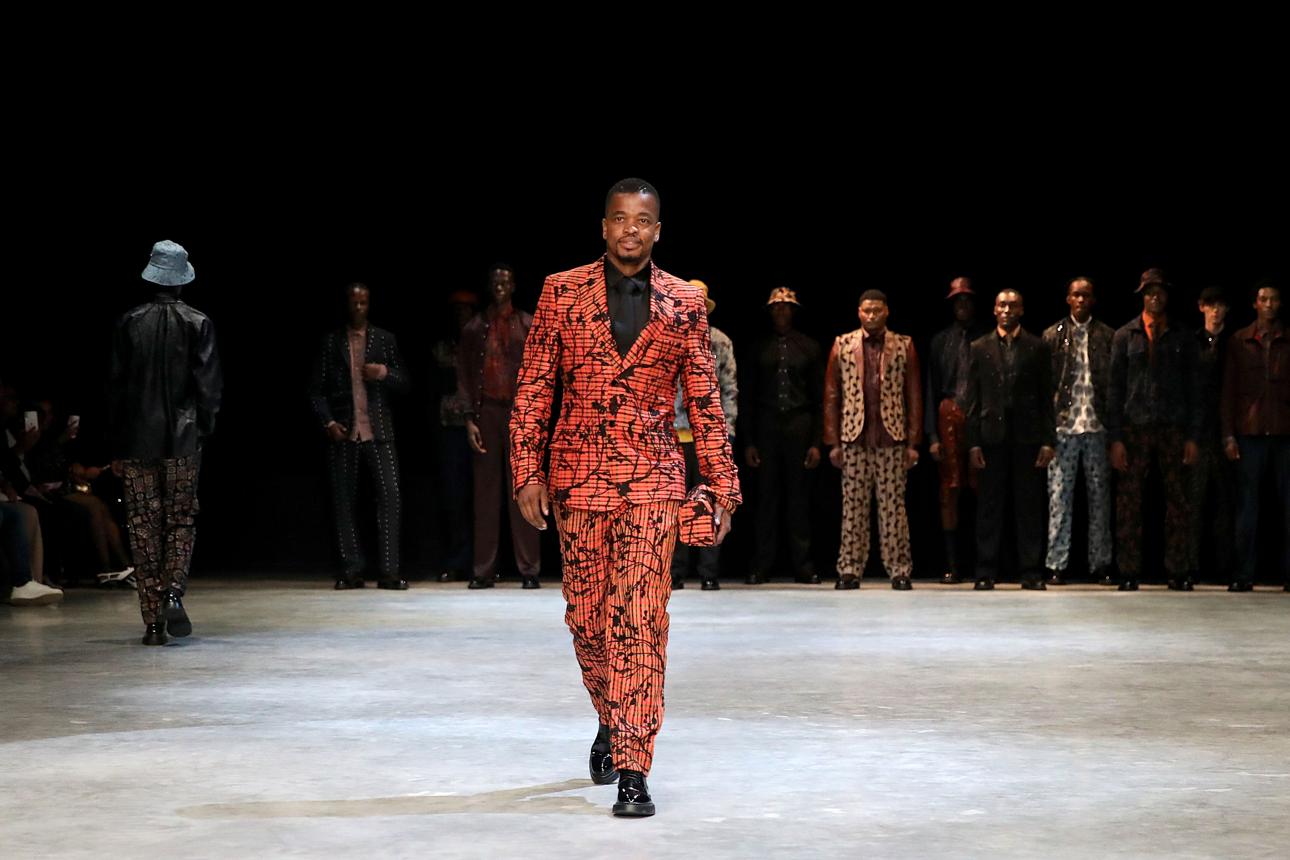
“South African fashion industry leaders are increasingly emphasising the importance of turning creative talent into commercially sustainable designer businesses, with SA Fashion Week providing a platform for local designers to develop their brands and reach wider markets. The discussion highlights the importance of craftsmanship, distinctive South African identity, business knowledge, manufacturing partnerships and access to funding in building internationally competitive fashion labels.”
Beyond the Runway: South Africa’s Luxury Fashion Industry Enters a New Era of Designer Brands, Craftsmanship and Global Recognition
South African luxury fashion faces a defining opportunity
South Africa’s fashion industry is entering an important period of development as local designers increasingly seek to transform creative excellence into commercially sustainable brands capable of competing in international luxury markets. The conversation surrounding the future of the industry has moved beyond runway appearances, celebrity attention and seasonal collections towards a more substantial question: how can South African designers build internationally recognised fashion businesses while preserving the cultural identity that makes their creations distinctive?
This question is at the centre of a report published by The Citizen’s Network News on 1 November 2026, titled Beyond the runway: The woman championing South African fashion’s next chapter. The article examines the views of SA Fashion Week director Lucilla Booyzen, who believes the country’s fashion industry has significant creative potential but needs stronger commercial foundations to achieve sustainable growth.
For the luxury fashion sector, this discussion is particularly important. International luxury brands have traditionally built their reputations around exceptional craftsmanship, distinctive design identities, quality materials, exclusivity and compelling brand stories. South African designers possess many of the creative ingredients needed to develop similar internationally competitive businesses. However, translating those strengths into profitable and recognisable luxury labels requires investment, business knowledge, reliable production and access to international customers.
SA Fashion Week demonstrates the strength of South African creativity
The latest edition of SA Fashion Week, held in Johannesburg from 21 to 25 October 2026, demonstrated the continuing development of the country’s fashion industry. According to Booyzen, the event reflected improvements in design, craftsmanship, cultural representation and designers’ understanding of how creativity can become a successful commercial enterprise.
These developments matter because luxury fashion depends on more than attractive clothing. Successful luxury houses establish recognisable creative identities that customers associate with quality, originality and a particular lifestyle. Designers must therefore develop collections that communicate a consistent vision while maintaining the technical standards expected of premium fashion products.
South African fashion has an opportunity to distinguish itself through its cultural diversity, artistic traditions, contemporary African aesthetics and innovative approaches to textiles and garment construction.
The country’s designers can draw inspiration from local architecture, traditional patterns, historical experiences, contemporary music, visual arts and the diverse communities that shape South African identity.
However, cultural inspiration must be supported by excellent execution. Luxury customers expect garments to demonstrate careful construction, considered finishing, durability and attention to detail. Consequently, designers seeking to enter premium markets must ensure that their creative concepts are matched by professional production standards.
Commercial sustainability becomes essential for luxury designers
One of the most important messages emerging from Booyzen’s comments is that a successful fashion label requires much more than an impressive runway collection.
Designers need to understand their customers, identify their target markets, calculate production costs, establish suitable pricing structures and manage their businesses professionally.
These requirements are particularly important for luxury brands because premium positioning depends on maintaining a consistent relationship between product quality, pricing and customer expectations.
A designer may produce an exceptional collection, but without a realistic commercial strategy, the business can struggle to generate sufficient revenue to fund future production. Similarly, a luxury label that expands too quickly without adequate operational capacity risks compromising the quality and exclusivity that initially attracted its customers.
South African designers therefore need to approach fashion as both a creative discipline and a commercial enterprise.
This includes developing business plans, establishing reliable supplier relationships, understanding inventory management and creating effective marketing strategies. Designers must also recognise the importance of delivering orders on time and maintaining professional relationships with retailers, manufacturers and customers.
Booyzen’s advice that emerging designers must learn the business of fashion highlights a challenge that affects the wider luxury industry. Creative excellence creates attention, but professional management helps turn that attention into long-term commercial success.
The importance of developing a distinctive African luxury identity
A significant opportunity for South African luxury fashion lies in creating brands that communicate authentic African identity without limiting themselves to traditional interpretations of fashion.
Contemporary luxury consumers increasingly encounter brands through international fashion publications, social media, designer collaborations and global retail platforms. This creates opportunities for South African designers to introduce their work to audiences beyond the domestic market.
However, international recognition requires a clear brand identity.
Designers need to establish what makes their collections different, which customers they want to reach and why their products deserve attention in competitive luxury markets.
South Africa’s cultural diversity provides a strong foundation for this positioning. Designers can combine contemporary silhouettes with distinctive textile techniques, artistic influences and carefully researched cultural references.
The objective should not simply be to produce clothing that looks African. Instead, designers can create sophisticated fashion collections that communicate their individual creative perspectives while reflecting the country’s artistic and cultural richness.
Such an approach could help establish a stronger identity for South African luxury fashion internationally.
It could also create opportunities for collaborations between designers, artists, jewellery makers, textile producers, photographers and other creative professionals.
Manufacturing and craftsmanship remain central to luxury development
Another important issue raised in the report concerns the relationship between designers and manufacturing.
Booyzen believes designers should lead the creative direction of the fashion industry, with manufacturing supporting their ideas rather than determining what they can produce. She argues that developing an independent South African fashion identity requires creative leadership rather than dependence on manufacturing considerations alone.
This is particularly relevant to luxury fashion because craftsmanship is one of the foundations of premium brand positioning.
Luxury products are often distinguished by careful construction, material selection, finishing techniques and attention to detail. Developing these capabilities locally could strengthen South Africa’s fashion value chain.
A stronger domestic manufacturing ecosystem could create opportunities for specialist workshops, textile producers, pattern makers, garment technicians and skilled artisans.
It could also help designers improve production oversight and maintain consistent standards across their collections.
Nevertheless, supporting designers does not mean overlooking the importance of manufacturing investment. Both elements must develop together.
Fashion businesses need access to modern equipment, skilled workers, quality materials and production facilities capable of meeting the requirements of premium fashion collections.
Investment in these areas could help South African designers increase their production capabilities while retaining greater control over the quality and identity of their products.
Funding remains a significant obstacle
Despite the industry’s creative potential, access to funding remains one of the most important challenges facing emerging South African designers.
Booyzen acknowledges that many designers build their businesses without sufficient financial support. This creates difficulties because developing a premium fashion label requires investment before substantial commercial returns are guaranteed.
Designers must finance sampling, materials, production, marketing, photography, fashion presentations, staffing and distribution.
International expansion creates additional costs, including travel, showroom participation, logistics and the development of relationships with international retailers.
Without appropriate funding, promising designers may struggle to move from small-scale production into commercially sustainable operations.
There is therefore an opportunity for investors, financial institutions, fashion organisations and private-sector businesses to support the development of South African designer brands.
Potential support could include business development programmes, production financing, mentorship, export assistance and partnerships with established retailers.
SA Fashion Week also plays an important role by creating opportunities for designers to showcase their collections and develop industry relationships.
However, exposure must translate into meaningful commercial opportunities. Designers need access to customers, buyers, distributors and investors who can help their businesses progress beyond individual fashion events.
International luxury opportunities for South African brands
South African designers have opportunities to participate in the wider international luxury fashion market, particularly as consumers encounter more diverse creative perspectives through digital platforms and international fashion events.
A useful example of international luxury retail activity in South Africa is the recent arrival of French-Moroccan fashion house Casablanca at Sandton City’s Diamond Walk.
The brand opened its first dedicated South African retail space in October 2026 through its partnership with Yawa Africa. Its Johannesburg boutique demonstrates the importance of physical retail experiences in introducing international luxury brands to local consumers.
Although Casablanca is an international luxury label rather than a South African designer business, its retail presence illustrates the opportunities available within the country’s premium fashion market.
Local designers can learn from the importance of consistent brand presentation, carefully designed retail environments and storytelling that connects products with customers.
South African labels also have an opportunity to establish their own international retail relationships by developing collections that meet global quality expectations while retaining distinctive creative identities.
However, international expansion should be supported by sustainable production capacity, strong financial planning and a clear understanding of customer demand.
The growing importance of brand storytelling
Luxury fashion is closely connected to storytelling. Customers often purchase premium fashion products because they appreciate the designer’s vision, the craftsmanship behind the garment and the identity communicated through the brand.
South African designers have an opportunity to use storytelling to communicate the cultural and creative influences behind their collections.
This can include the inspiration behind particular designs, the production techniques used, the materials selected and the creative communities involved in making the products.
Digital marketing provides an important opportunity to communicate these stories.
Designer websites, professional photography, fashion films, social media campaigns and digital retail platforms can help brands establish relationships with customers in South Africa and internationally.
Nevertheless, effective storytelling must be supported by genuine product quality and transparent business practices.
A luxury brand cannot rely exclusively on attractive marketing. Its products must consistently deliver the craftsmanship, design and service associated with its positioning.
Employment and economic opportunities
The development of South African luxury fashion brands could also contribute to broader economic growth.
As fashion businesses expand, they create opportunities for employment throughout the creative value chain.
These opportunities include designers, tailors, pattern makers, textile specialists, photographers, fashion models, marketing professionals, retailers and logistics providers.
A successful designer brand can therefore generate economic activity beyond the individual business.
This is one reason Booyzen emphasises the wider impact of designers’ commercial success. She recognises that fashion businesses can support manufacturers, suppliers, retailers and other creative professionals.
Strengthening these relationships could help South Africa develop a more integrated fashion economy.
Furthermore, the growth of internationally recognised local brands could improve the country’s reputation as a destination for creative innovation and premium African design.
The road ahead for South African luxury fashion
The discussion surrounding the future of SA Fashion Week demonstrates that the country’s fashion industry has reached an important stage in its development.
Creative talent, craftsmanship and cultural identity provide a strong foundation. However, sustainable growth will depend on investment, manufacturing capabilities, professional management and stronger access to local and international markets.
For luxury designers, the opportunity is to develop brands that combine distinctive South African creativity with international standards of quality and presentation.
Industry organisations, investors, manufacturers and retailers all have a role to play in supporting this development.
Ultimately, the future of South African luxury fashion will not be determined by runway appearances alone. It will depend on whether designers can establish businesses that consistently produce exceptional products, attract loyal customers, create employment and compete internationally.
Booyzen’s message is therefore relevant to the entire fashion industry: creative ambition must be accompanied by business knowledge, professionalism and a willingness to develop.
South Africa has the opportunity to build a stronger luxury fashion identity, one that celebrates its cultural diversity while demonstrating that locally developed designer brands can compete on the international stage.
The runway may introduce the designer to the world, but craftsmanship, business sustainability and a distinctive brand identity will determine how far that designer can go.



