




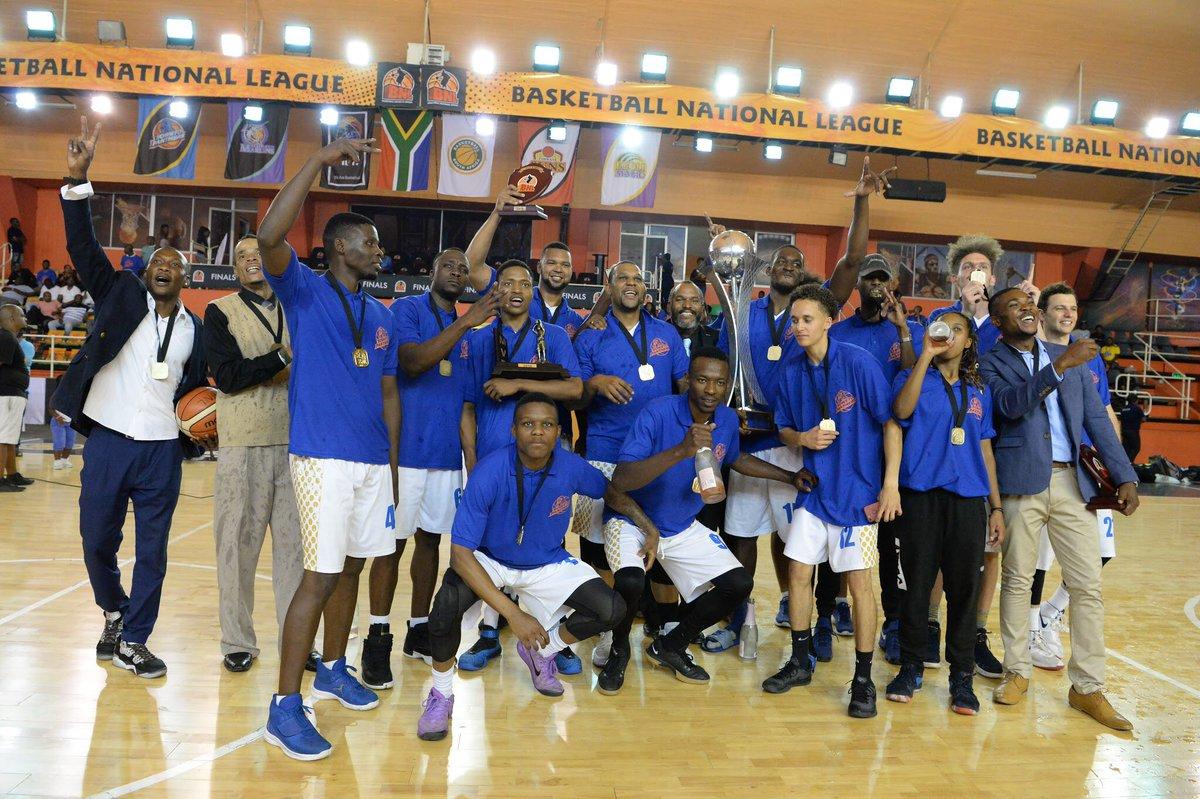
“The Basketball National League announced on 15 October 2026 that FIBA Africa had confirmed the registration of Soweto Panthers Basketball Club as South Africa’s representative for the Road to BAL 2027 qualification cycle, following the Panthers’ 2026 BNL championship success. The development gives the club an opportunity to pursue continental competition while highlighting the importance of strong preparation, sound administration, financial support and sustainable growth for South African basketball.”
Soweto Panthers’ continental opportunity marks an important moment for South African basketball
South African basketball has received an important boost following confirmation that Soweto Panthers Basketball Club will represent the country in the Road to the Basketball Africa League 2027 qualification cycle. The announcement, made by the Basketball National League (BNL) on 15 October 2026, places the Soweto-based club in a significant position as it prepares to pursue opportunities beyond domestic competition.
The confirmation followed the Panthers’ success in the 2026 Basketball National League championship. According to the BNL announcement, FIBA Africa formally confirmed the club’s registration for the continental qualification pathway, concluding a process involving the league, continental basketball authorities and relevant South African sporting bodies.
For the Panthers, this represents more than recognition for a successful domestic season. It offers an opportunity to test their performance against ambitious clubs from other African countries, develop their players and strengthen their standing within the wider basketball community.
However, registration should not be confused with qualification for the Basketball Africa League itself. The Road to BAL is the competitive pathway through which participating clubs seek to advance towards the continental tournament. Soweto Panthers must therefore prepare for the challenges of qualification before any place in the main competition can be secured.
A domestic championship creates continental ambitions
Winning a national championship can transform a club’s outlook. It validates the work of players and coaches while creating new expectations among supporters, sponsors and administrators.
For Soweto Panthers, the 2026 BNL title has provided the foundation for a continental campaign. Domestic success demonstrates that the club has competed effectively within its national environment, although the next stage will demand additional preparation, consistency and tactical adaptability.
Continental basketball introduces different opponents, playing styles and competitive pressures. Teams may encounter stronger defensive systems, more experienced international players and unfamiliar approaches to controlling the pace of a game.
Consequently, the Panthers will need to examine their performances carefully, identify weaknesses and establish a strategy suited to their upcoming opponents. Success will depend not only on individual talent but also on teamwork, communication, conditioning and decision-making under pressure.
The opportunity could also increase the club’s visibility among basketball supporters across Africa. Strong performances in regional competition can attract attention from potential sponsors, players and development partners, creating possibilities that extend beyond a single tournament.
Nevertheless, those benefits are not guaranteed. They depend on the club’s ability to convert its domestic achievement into competitive performances and sustainable organisational growth.
Preparation will be essential for the Road to BAL
Preparing for continental qualification requires a comprehensive approach. Coaches must assess the squad’s strengths, determine which tactical systems work most effectively and ensure that players understand their responsibilities.
Offensive execution will be particularly important. Against unfamiliar opponents, teams need reliable scoring options, disciplined ball movement and the ability to create quality shots when their preferred plays are disrupted.
Defensively, the Panthers must be prepared to respond to different offensive threats. Opponents may rely on perimeter shooting, powerful interior players, fast transitions or aggressive defensive pressure. A team that adapts quickly can improve its chances of remaining competitive throughout a tournament.
Physical preparation is equally important. Intensive competition can place considerable demands on players, particularly when travel, recovery and consecutive matches are involved. Appropriate conditioning, injury prevention, nutrition and rest should therefore form part of the preparation programme.
Beyond the court, the club will need reliable logistics, administrative coordination and sufficient financial resources. Travel arrangements, accommodation, equipment and other competition expenses can become substantial responsibilities for a team entering international basketball.
The BNL’s confirmation establishes the Panthers’ representative status, but it does not independently establish their budget, final squad, fixture schedule or prospects of advancing. Those details should be confirmed through official announcements as the qualification campaign develops.
South African basketball needs stronger foundations
The Panthers’ opportunity comes at a time when the administration and long-term development of South African basketball remain important national issues.
In January 2026, the Department of Sport, Arts and Culture announced a process to rebuild and stabilise the governance of basketball in South Africa. The initiative followed the withdrawal of recognition from Basketball South Africa because of governance and administrative failures. The department said it was working with FIBA Africa and the South African Sports Confederation and Olympic Committee to establish a properly governed national federation.
That background highlights the need for effective cooperation between clubs, leagues, administrators and governing bodies. Competitive results are important, but the sport also requires transparent decision-making, credible leadership, athlete protection and dependable structures for organising competitions.
A club’s continental participation can help maintain visibility for the sport, but lasting progress requires a broader system capable of supporting athletes throughout their development.
Young players need access to quality coaching, regular competition and safe facilities. Coaches require opportunities for professional development, while referees and administrators need training and consistent standards. Local competitions must also offer meaningful pathways through which emerging talent can progress to higher levels.
If these foundations improve, South African clubs could become better equipped to compete consistently across the continent.
The importance of investment and sponsorship
Financial support is likely to be an important consideration for the Panthers as they prepare for their continental assignment.
Basketball clubs require resources to cover training, transport, equipment, player welfare and competition-related expenses. International participation can increase those costs, particularly when teams must travel across borders or arrange additional preparation.
Sponsorship can help bridge the gap between domestic achievement and continental ambition. Businesses may find opportunities to support clubs through financial partnerships, equipment, transport arrangements or community development programmes.
In return, clubs can offer sponsors meaningful visibility and engagement with basketball audiences. Partnerships may also support youth clinics, school competitions and community activities that encourage greater participation.
However, sponsorship relationships must be managed professionally. Clear agreements, responsible financial reporting and measurable objectives can help build confidence among potential partners.
The Panthers’ championship success and continental representation provide a potential platform for such discussions. Whether that opportunity translates into additional investment will depend on the club’s plans, commercial relationships and ability to demonstrate value to prospective supporters.
Opportunities for young players and local communities
Basketball’s development depends heavily on the opportunities available to young athletes. Clubs competing at a high level can provide examples of what sustained training, teamwork and discipline may achieve.
The Panthers’ progress could encourage aspiring players in Soweto and other communities to become more involved in organised basketball. It may also create opportunities for local coaches, volunteers and young officials to learn from the demands of higher-level competition.
Yet inspiration alone is not enough. Young people need affordable access to courts, appropriate equipment and structured development programmes. Schools and community organisations can help introduce new participants to the sport, while established clubs can offer progression opportunities for talented players.
Community engagement should also extend beyond match days. Coaching clinics, school visits and open training sessions can help supporters understand the game and encourage younger audiences to participate.
These initiatives would be particularly valuable if linked to long-term programmes rather than one-off promotional events. Sustainable development requires continuity, trained personnel and facilities that remain accessible.
What supporters should watch next
The next important indicators will be the Panthers’ preparation, confirmed qualification fixtures and any official announcements concerning their squad and technical plans.
Supporters should follow communications from the Basketball National League, FIBA Africa and the Basketball Africa League for verified information about the qualification process.
Performance will ultimately determine how far the club advances. The Panthers will need to translate their national championship form into consistent execution against opponents with their own continental ambitions.
Their campaign will also provide a useful measure of how effectively domestic success can create opportunities for South African clubs internationally. A competitive showing could strengthen confidence in the country’s basketball talent and encourage additional support for future campaigns.
At the same time, expectations should remain realistic. Continental qualification is challenging, and confirmation of registration does not guarantee progression into the main BAL competition.
Conclusion: A significant opportunity, with work still ahead
Soweto Panthers’ confirmation as South Africa’s representative for the Road to BAL 2027 qualification cycle is an important development for the club and a positive moment for the national basketball scene.
The 2026 BNL championship has created an opportunity to compete at a higher level, increase the club’s visibility and demonstrate the potential of South African basketball. Realising those benefits, however, will require disciplined preparation, adequate resources, strong administration and consistent performances.
The broader challenge is to ensure that individual club achievements contribute to a stronger national basketball environment. Investment in youth development, accessible facilities, coaching and responsible governance will remain essential to that goal.
For now, the Panthers have earned the opportunity to pursue continental progress. Their next task is to prepare thoroughly, compete with confidence and make the most of the pathway ahead.



