




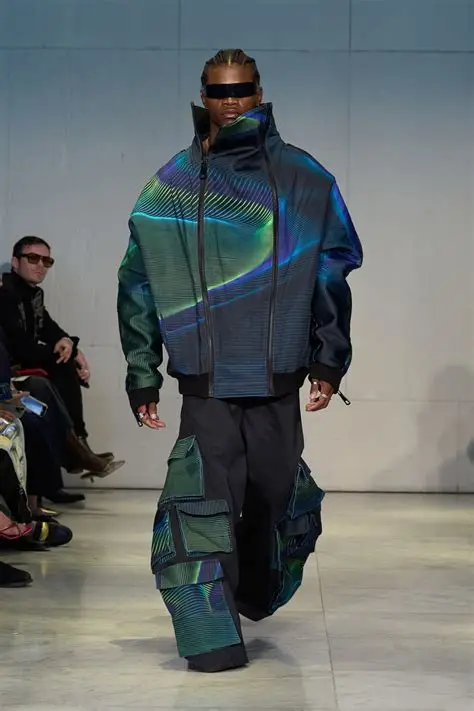
“The Durban July 2026 became a landmark for South African streetwear, blending Ndebele and Zulu heritage motifs with futuristic fabrics and bold colour palettes. The showcase emphasized sustainability, cultural identity, and youth rebellion, cementing South Africa’s streetwear as globally relevant yet locally distinctive.”
The Durban July 2026 was more than a horse-racing event; it became the epicenter of South Africa’s fashion revolution. Under the theme “Country Allure”, designers, influencers, and brands transformed streetwear into a manifesto of heritage, futurism, and sustainability. This year’s showcase demonstrated how South African streetwear is evolving into a global cultural force while remaining deeply rooted in local traditions.
Heritage Prints and Cultural Identity
- Ndebele and Zulu motifs dominated collections, reimagined into oversized hoodies, bomber jackets, and sneakers.
- Designers incorporated beadwork and traditional silhouettes, reinforcing cultural pride while appealing to international audiences.
- This revival ensures South African streetwear resists homogenization by global fashion trends.
Bold Colour Palettes Defining 2026
- Earthy neutrals (sand, stone, soft brown) grounded collections in South Africa’s landscapes.
- Jewel tones (emerald, sapphire, ruby) injected vibrancy into sneakers and jackets.
- Metallics (chrome silver, rose gold) connected fashion to digital culture and nightlife aesthetics.
- Pastels balanced boldness, especially in summer streetwear.
Streetwear as Youth Culture Backbone
Streetwear thrives on adaptability, shifting from minimalist to explosive designs season by season. Influenced by Amapiano music, nightlife, and social media, it represents rebellion and identity. Oversized silhouettes, layered jewelry, and statement sunglasses dominate youth-driven aesthetics.
Sustainability at the Core
- Biodegradable textiles from Cape Town labels showcased eco-conscious innovation.
- Upcycled denim and sneakers from Johannesburg brands emphasized circular fashion.
- Natural fabrics like linen, hemp, and organic cotton reinforced eco-conscious aesthetics.
- South Africa’s sustainable fashion market is projected to reach USD 680.66 million by 2033, growing at a CAGR of 25.27%.
Designer Highlights
- Gert-Johan Coetzee unveiled couture gowns blending countryside motifs with avant-garde precision.
- Emerging designers introduced neon-updated animal motifs and metallic fabrics, symbolizing futurism.
- Streetwear labels showcased oversized silhouettes and bold graphics, reinforcing youth-driven dominance.
Influencer Narratives
- Somizi Mhlongo and Zola Mhlongo embodied luxury interpretations of “Country Allure.”
- Thobeka “Thobi Rose” Mthembu and Juicy Jay Jwacu embraced countryside authenticity with a road trip, turning travel into a fashion statement.
Global Relevance
The Durban July 2026 positioned South African streetwear as globally competitive, blending heritage authenticity with futuristic creativity. By resisting homogenization and embracing sustainability, South Africa is carving out a unique identity in the global fashion landscape.



