




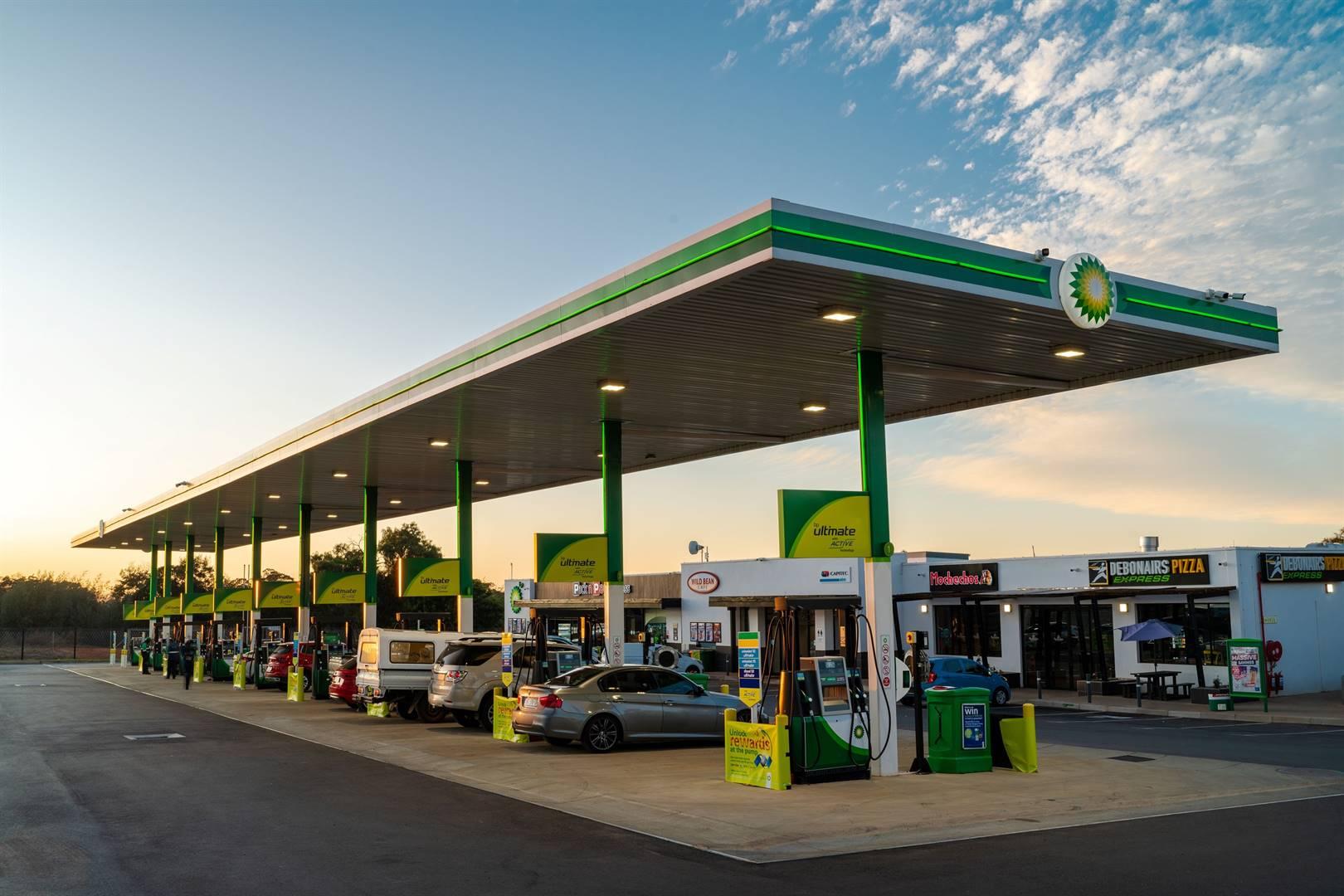
“South African fast-food franchise Tasty Gallos is planning to open its first quick-service restaurant at a BP petrol station in the second quarter of 2027, subject to final agreements with participating dealers. The proposed partnership illustrates how fuel retailers are diversifying their services to generate additional revenue, attract more customers and encourage spending beyond petrol and diesel purchases.”
Tasty Gallos Targets BP Petrol Stations as South African Businesses Adapt to Changing Consumer Demand
JOHANNESBURG, 12 October 2026 — South Africa’s fuel retail industry is exploring new ways to attract customers as higher fuel prices and changing consumer habits put pressure on traditional petrol station business models. One development is the planned expansion of local fast-food franchise Tasty Gallos into BP petrol station forecourts, creating an opportunity to generate income from motorists and other customers who visit for reasons beyond refuelling.
BusinessTech reported on Monday that the Johannesburg-based chicken franchise is targeting the second quarter of 2027 for the opening of its first quick-service restaurant at a BP forecourt. The plan remains subject to finalising agreements with participating dealers.
The proposed arrangement reflects an important microeconomic trend: businesses are adapting their product offerings to changing demand, seeking additional revenue streams and attempting to increase the value generated by each customer visit.
Why petrol stations are diversifying
Traditionally, petrol stations have generated much of their revenue from selling fuel and providing related services. However, fuel sales alone do not necessarily guarantee strong profitability, particularly when operators face substantial operating expenses and competition from nearby forecourts.
Higher petrol and diesel prices can increase the amount motorists spend each time they refuel, but this does not automatically translate into higher profits for station owners. Fuel prices are affected by international oil markets, exchange rates, regulated pricing components and other costs. The station’s own margin and operating expenses determine how much it ultimately earns.
As a result, operators have incentives to develop additional services that generate revenue independently of fuel purchases.
Restaurants, convenience stores, coffee counters and other retail offerings can help transform a petrol station into a destination where customers purchase several products during one visit.
The Tasty Gallos proposal demonstrates this strategy. Instead of relying exclusively on motorists who need petrol or diesel, participating forecourts could attract people looking for a quick meal, refreshments or snacks.
The economics of customer traffic
One of the central concepts in microeconomics is consumer demand. Businesses try to understand what customers want, how much they are willing to pay and which circumstances influence their purchasing decisions.
A petrol station benefits from an existing flow of motorists. These customers already have a reason to stop, creating an opportunity to sell complementary products and services.
A restaurant could attract some customers who would not otherwise have visited the forecourt. Others might arrive to refuel and decide to purchase a meal as well. In both situations, the operator has an opportunity to increase revenue per visit.
The effect depends on whether the additional sales exceed the extra costs of operating the restaurant, including staffing, ingredients, equipment, utilities and rent or other contractual charges.
A business cannot assume that every additional customer generates a profit. It must measure customer traffic, average transaction value, operating costs and the proportion of restaurant visitors who also purchase products from the convenience store.
The commercial objective is to create a combination of services that meets customer needs while using the available space and resources efficiently.
Complementary goods and convenience
The proposed partnership also illustrates the economic concept of complementary goods. Complementary products are goods or services that consumers may use together or purchase during the same trip.
Fuel and food are not necessarily complementary in every consumer’s decision, but they can become linked through convenience. A motorist travelling a long distance may choose to refuel and buy lunch at the same location because combining the activities saves time.
Similarly, a customer collecting a meal might purchase a drink, confectionery or another convenience item before leaving. These additional transactions can increase the value of the visit.
For consumers, the main benefit is convenience. Combining purchases may reduce the need for separate journeys, particularly for people travelling between work, home and other destinations.
However, convenience has a price. Customers will compare the cost and quality of food at petrol stations with offerings from independent restaurants, shopping centres and other fast-food outlets. If prices are too high or service is poor, the location advantage may not be enough to retain demand.
Affordability and the pressure on household budgets
The planned expansion comes as South African households face significant pressure from fuel and other living costs. BusinessTech’s report noted that petrol and diesel prices had increased substantially during the year, making transport more expensive for motorists and businesses.
When transport consumes a larger share of household income, consumers may reduce spending elsewhere. A household that pays more to commute may have less money available for restaurant meals, entertainment and other discretionary purchases.
This creates a challenge for a fast-food operator. Petrol station locations may provide convenient access to customers, but demand will still depend on affordability, food quality, portion sizes and the availability of alternatives.
Tasty Gallos entered the South African market in March 2020, positioning itself as an affordable, Halaal-certified alternative in the competitive fast-food industry, according to BusinessTech.
An affordability-focused offering could appeal to customers who want convenient meals without spending as much as they might at some other outlets. Nevertheless, actual customer response will depend on menu pricing, location, product availability and operating performance.
Benefits for participating fuel dealers
For participating BP dealers, a restaurant could provide a new source of income and help make more productive use of existing forecourt space.
A fuel station’s fixed expenses may include property-related costs, security, equipment, maintenance and certain staffing requirements. Additional retail activities could help spread some shared costs across several revenue streams, although restaurants also introduce new expenses.
The arrangement may be especially attractive where a forecourt has available space and sufficient traffic but limited opportunities to increase fuel sales.
The success of the model will depend on contractual arrangements between the franchise, BP and participating dealers. Important considerations include responsibility for construction, rent, utilities, maintenance, food safety, staffing and the allocation of sales revenue.
Each site will also need to assess local demand. A busy urban forecourt with strong lunchtime traffic may have different commercial prospects from a station located in a quiet area or one dominated by late-night motorists.
Competition in the quick-service restaurant market
South Africa’s fast-food sector is competitive, with national chains, independent outlets, takeaway shops and informal food businesses serving different customer groups.
Entering petrol station locations may allow Tasty Gallos to reach customers in places where convenience and speed influence purchasing decisions. However, the company will still need to compete on taste, pricing, service and brand recognition.
The location strategy may create an advantage if the restaurant serves customers at moments when they are already inclined to stop. Yet the same location may also limit the business if the available space, seating or parking is insufficient.
From a microeconomic perspective, the franchise must identify its target customers and determine how its offering differs from competing choices. The company must also consider whether the extra convenience justifies the price customers pay.
The broader competitive effect could encourage other food brands and forecourt operators to explore similar partnerships. If more businesses introduce restaurants or expanded convenience services, consumers may gain more choices while operators compete to provide better value.
Risks, costs and operational challenges
Although the plan offers potential benefits, expanding into petrol stations presents practical challenges.
Food businesses require reliable supplies, appropriate storage, hygiene controls and consistent preparation standards. A franchise must maintain these requirements across locations while controlling costs and protecting its reputation.
Site selection is another important factor. A restaurant may struggle if customer traffic is insufficient, if the surrounding area already has too many competing food outlets or if motorists cannot access the forecourt easily.
The company will also need to manage the relationship between food preparation and the time-sensitive nature of petrol station visits. Some customers want a meal quickly and may leave if queues become too long.
Furthermore, the first restaurant’s performance will not necessarily predict results at every subsequent location. Different areas have different income levels, commuting patterns, customer preferences and levels of competition.
The second quarter of 2027 is a target for the first opening, not confirmation that the restaurant has already opened. Final agreements and the practical requirements of launching the site remain important milestones.
What the development means for South African businesses
The Tasty Gallos–BP proposal highlights how businesses can respond to changing market conditions by broadening their products and services.
For fuel dealers, diversification may reduce dependence on a single revenue source. For a restaurant franchise, petrol station locations could offer access to established customer traffic without relying exclusively on conventional high-street or shopping-centre premises.
For consumers, the potential benefits include convenience and additional meal choices. However, whether the partnership offers meaningful value will depend on pricing, quality and service.
The development also shows why businesses must consider consumer behaviour rather than simply the volume of customers passing their premises. Traffic becomes commercially valuable only when it translates into transactions at prices that cover costs and provide an acceptable return.
Ultimately, the proposed expansion is an example of microeconomic adaptation. Faced with higher operating pressures and evolving customer expectations, fuel retailers and food businesses are exploring ways to combine services, compete for spending and use existing resources more effectively.
The first opening, once confirmed, should provide a practical test of whether the partnership can attract enough customers to make the model commercially sustainable. Its longer-term prospects will depend on customer demand, operational discipline and the ability to deliver convenience without sacrificing affordability.



