




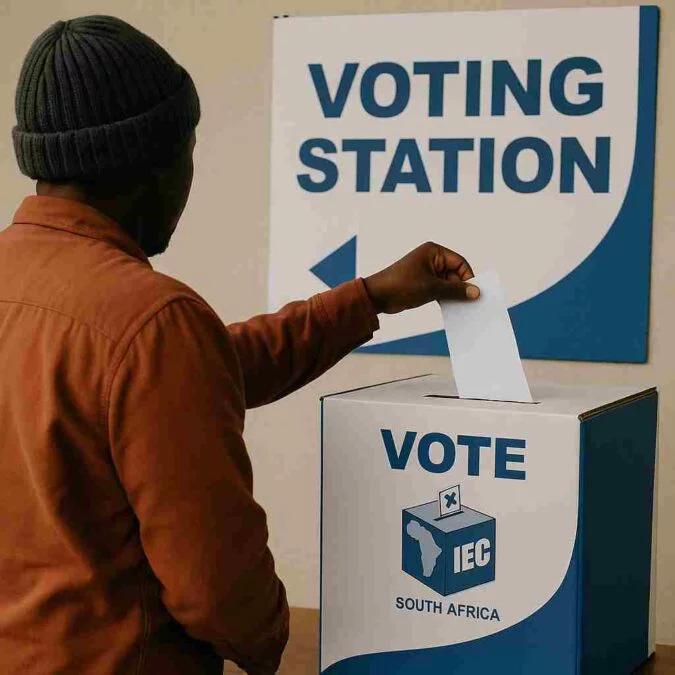
“The Electoral Commission of South Africa announced that all voting stations nationwide are equipped with essential materials and staff for the upcoming 2026 local government elections. This readiness drive aims to boost voter confidence and participation amid political uncertainty and rising social tensions.”
Introduction
South Africa’s democratic journey has reached another pivotal moment as the Independent Electoral Commission (IEC) declared full operational readiness for the 2026 local government elections. With 23,706 voting stations prepared across nine provinces, the announcement signals a major logistical achievement and a reaffirmation of the country’s commitment to free and fair elections.
Background
Local government elections in South Africa are not merely administrative exercises; they are the foundation of grassroots democracy. Municipal councils determine service delivery, infrastructure development, and community representation. In a nation grappling with economic inequality, unemployment, and social unrest, these elections carry profound implications for everyday life.
IEC’s Preparations
- Voting Materials Delivered: Ballot papers, voter rolls, and registration equipment have been dispatched nationwide.
- Technology Integration: The IEC has expanded digital verification systems to reduce fraud.
- Staff Training: Thousands of election officials have undergone intensive training to ensure compliance with electoral law.
- Security Coordination: The IEC is working closely with police to safeguard polling stations, particularly in areas affected by xenophobic protests.
Voter Registration Drive
The IEC urged citizens to register, verify, or update their details before the elections. With 27.6 million registered voters, the commission emphasized inclusivity, noting that women make up 55.25% of the electorate.
Political Context
The elections come at a time of heightened political competition:
- ANC remains dominant but faces declining support in urban centers.
- DA continues to consolidate its base in Western Cape municipalities.
- EFF is aggressively campaigning in townships, promising radical economic reforms.
Challenges Ahead
- Xenophobic Violence: Recent attacks on immigrants have raised concerns about voter intimidation.
- Disinformation: Social media platforms are flooded with fake news, prompting the IEC to launch digital literacy campaigns.
- Trust Deficit: Many South Africans remain skeptical about political accountability, making voter turnout a critical measure of legitimacy.
Regional and International Reactions
Neighboring countries, including Mozambique and Zimbabwe, have expressed concern over xenophobic unrest, urging South Africa to ensure safe conditions for all residents during elections. International observers are expected to monitor the polls closely.
Conclusion
The IEC’s confirmation of readiness is a significant step toward ensuring that the 2026 local government elections proceed smoothly. Yet, the broader context of political rivalry, social unrest, and economic hardship means that these elections will be more than a test of logistics—they will be a test of South Africa’s democratic resilience.



