




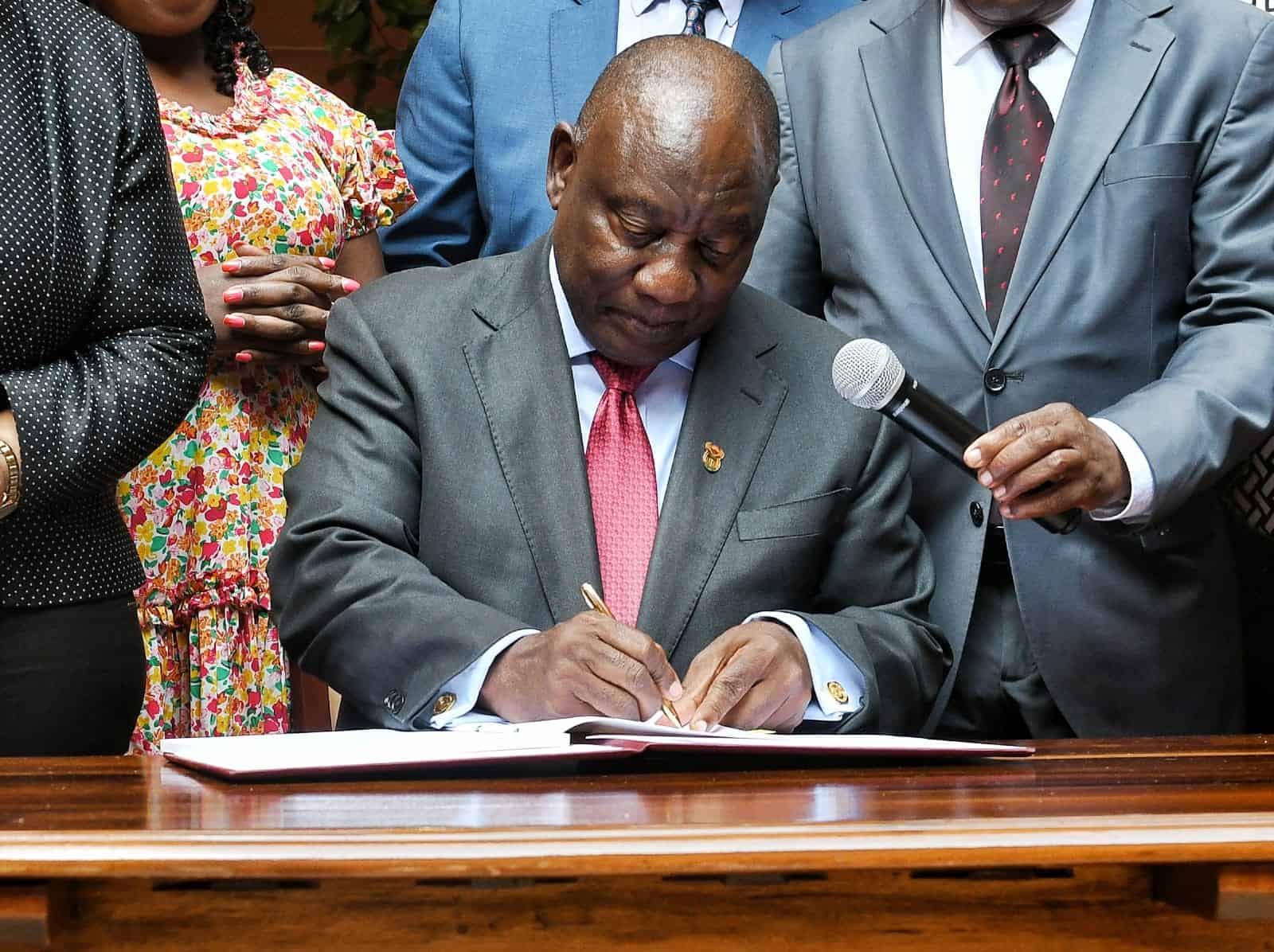
“President Cyril Ramaphosa has signed the Public Service Commission Act into law, granting the watchdog independent powers and a broader mandate over local government and state-owned enterprises. The reform is widely regarded as a turning point in rebuilding state capacity and curbing patronage networks that have weakened governance.”
South Africa has entered a new chapter in its governance framework with the enactment of the Public Service Commission Act. Signed into law by President Cyril Ramaphosa on 16 September 2026, the legislation repeals the 1997 Act and introduces sweeping reforms aimed at strengthening accountability, professionalism, and independence in the public service. This development comes at a time when the country faces mounting pressure to restore confidence in state institutions after years of corruption scandals, weak vetting processes, and declining service delivery.
Background and Context
The Public Service Commission (PSC) has long been a constitutional watchdog tasked with overseeing the integrity of the civil service. However, its effectiveness has been hampered by structural limitations, political interference, and a reactive mandate that required formal complaints before investigations could be launched. The new Act addresses these shortcomings by transforming the PSC into an independent secretariat, freeing it from its previous status as a government department.
Key Provisions of the Act
- Expanded Oversight: The PSC now has jurisdiction over local government, state-owned companies, and public entities, extending its reach beyond the traditional civil service.
- Independent Investigations: The Commission can initiate probes without waiting for formal complaints, shifting from a reactive to a proactive watchdog.
- Structural Reform: The Office of the PSC is restructured into an independent secretariat, enhancing autonomy from executive influence.
- Implementation Timeline: A phased rollout will begin over the next 12 months, with full implementation expected within three years.
Political Significance
President Ramaphosa has framed the reform as part of his broader agenda to rebuild state capacity and restore public trust in governance. The move is seen as a response to years of patronage networks that eroded professionalism in the civil service. By empowering the PSC, the government aims to strengthen oversight mechanisms and ensure that appointments, promotions, and disciplinary actions are conducted with integrity.
Professor Somadoda Fikeni, chair of the PSC, described the law as an opportunity to “redeem ourselves” after years of decline. His remarks highlight the symbolic importance of the Act in signaling a break from past failures.
Implications for Governance
The Act’s passage has several far-reaching implications:
- Professionalism Restored: By curbing political patronage, the PSC can enforce merit-based recruitment and promotion.
- Accountability Strengthened: Independent investigative powers allow the PSC to address misconduct swiftly.
- Public Confidence: Citizens may regain trust in government institutions as oversight becomes more credible.
- Economic Impact: Improved governance could enhance investor confidence, particularly in state-owned enterprises plagued by mismanagement.
Challenges Ahead
Despite its promise, the Act faces challenges in implementation:
- Capacity Constraints: The PSC will need significant resources to fulfill its expanded mandate.
- Political Resistance: Some actors benefiting from patronage may resist reforms.
- Public Expectations: Citizens will expect rapid improvements, but systemic change may take years.
Conclusion
The Public Service Commission Act represents one of the most significant legislative reforms in South Africa’s recent history. By granting the PSC independence and expanded powers, the government has taken a decisive step toward rebuilding state capacity and restoring professionalism in the public service. While challenges remain, the law offers a framework for accountability and integrity that could reshape governance in the years ahead.



