




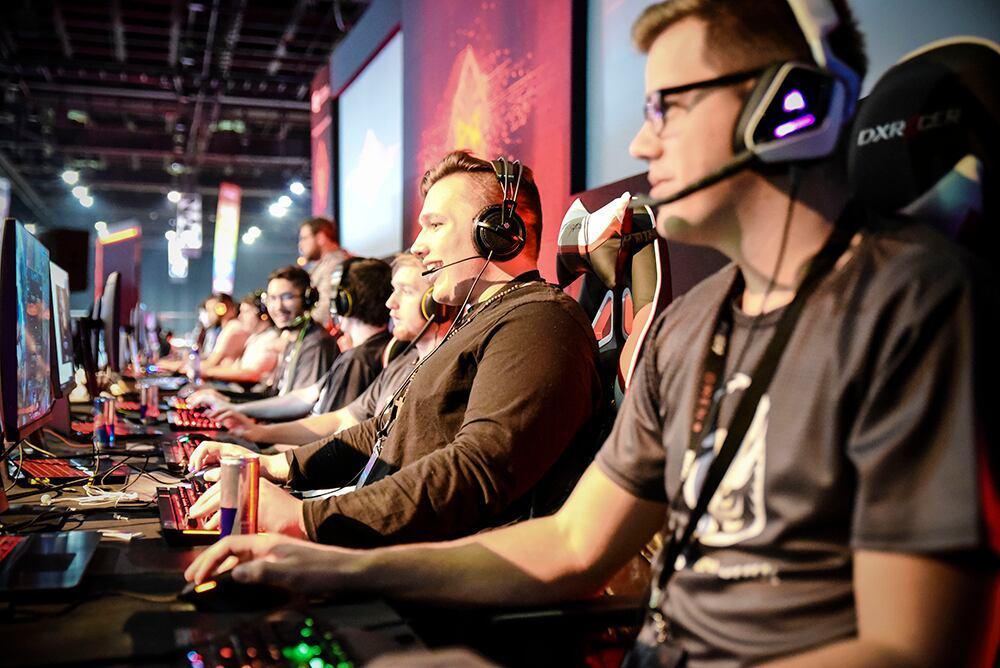
“Mind Sports South Africa (MSSA) announced supplementary national-team trials for Counter-Strike 2 Women and Dota 2 to help South Africa prepare for the International Esports Federation’s World Esports Championship 2026 in Indonesia. Meanwhile, South Africa’s domestic competitive gaming scene continues to offer opportunities through online tournaments, regional championships and community competitions.”
South African Esports Builds Momentum Ahead of International Competition
National selection brings renewed attention to competitive gaming
South Africa’s esports community is approaching an important period as competitive gaming continues to develop through organised tournaments, national-team selection processes and opportunities for emerging players. One of the most significant recent developments is Mind Sports South Africa’s decision to hold supplementary trials for Counter-Strike 2 Women and Dota 2 ahead of the 2026 World Esports Championship.
The announcement, published on 7 October, highlighted the importance of providing eligible players with a fair opportunity to compete for national representation. The international championship, organised by the International Esports Federation, is scheduled to take place in Indonesia from 15 to 20 December 2026.
The selection process matters because international esports competitions require more than individual gaming ability. Teams need coordination, preparation, tactical discipline and an understanding of the rules governing national representation. For South African players, the opportunity to compete for the country can also provide valuable experience against competitors from other regions.
MSSA’s announcement demonstrates how national selection structures can influence the development of esports. By organising trials for categories that were not adequately covered during the earlier selection process, the organisation sought to give eligible competitors another opportunity to demonstrate their abilities.
Why supplementary trials were necessary
According to MSSA, the original national-team trials took place on 25 July 2026. However, the organisation subsequently identified circumstances that required additional selection opportunities in two categories.
In women’s Counter-Strike 2, the July announcement had listed Counter-Strike 2 as a single category rather than identifying a separate women’s competition. MSSA said that at least two eligible women’s teams did not enter because they reasonably understood the notice to refer to the open category.
The organisation also explained that the team which did enter the July trials had a player whose required documentation had not been submitted within the applicable deadline. MSSA consequently determined that no women’s Counter-Strike 2 team could be selected from those trials. It explicitly stated that the eligibility decision was not a finding of misconduct against any player, team or club.
Dota 2 presented a different issue because the title had not been included among the games contested at the July trials, despite being a category at the forthcoming international championship.
The supplementary trials were therefore intended to address these gaps and provide eligible players with an opportunity to compete for selection.
These details underline the importance of clear communication in competitive sport. Selection announcements must identify the relevant categories, eligibility requirements and documentation deadlines so competitors can make informed decisions about entering.
Understanding the selection process
MSSA scheduled the supplementary trials for 10 October 2026, with 11 October reserved as a contingency day if matches needed to be completed. Entries were open to qualifying members affiliated with MSSA, subject to the published eligibility requirements.
The organisation specified that teams had to consist of five eligible players, with no reserves permitted. It also set documentation requirements, including proof of South African citizenship and the applicable player contracts. The published entry fee was R100 per player.
The selection process was designed to evaluate players through their performances in the trials rather than simply appointing an existing club team as the national representative.
According to the announcement, the participating captains would be considered for the captaincy, and the selected captain would submit a proposed squad of ten players for MSSA approval. The final team would then be selected from that squad according to the number of players required by the international federation.
This structure illustrates the distinction between club competition and national representation. A successful club team may contain talented players, but national selection must consider the relevant competition results, eligibility rules and team requirements.
The supplementary trials were scheduled for 10 October, meaning that by 16 October the advertised competition dates had passed. The announcement alone does not establish the final results or identify the players ultimately selected. Those details should be confirmed through a subsequent official MSSA announcement rather than inferred from the original notice.
South Africa’s domestic tournaments provide additional opportunities
National-team selection is only one part of the esports ecosystem. Local tournaments also give players opportunities to compete, practise under pressure and develop their skills.
Esports Central reported on a series of Mettlestate Cash Cups running between 12 and 18 October. The schedule included competitions in Marvel Rivals, eFootball, Call of Duty: Mobile, Tekken 8 and Mobile Legends: Bang Bang.
The events featured different formats, from individual fighting-game contests to team-based competitions. According to the published guide, entry was free, while the base prize pool was R1,000 and could increase to R2,000 depending on participants’ Premium status.
The Mobile Legends: Bang Bang competition was scheduled for Saturday, 17 October, at 14:00 South African Standard Time. Players were advised to check the organiser’s event page for registration arrangements and updates.
These competitions demonstrate the range of games represented in South Africa’s competitive gaming landscape. They also provide an accessible entry point for players who may not yet be competing at national level.
However, tournament participation should not automatically be interpreted as a professional career opportunity. Consistent results, team experience, reliable equipment, communication skills and sustained practice all contribute to competitive development.
Regional championships strengthen the competitive pathway
MSSA’s published calendar also lists the fifth North West Online Championships for 17 October and the Limpopo championships and online championships for 24 October. These events provide further evidence of a structured regional competition calendar.
Regional events can help players establish themselves within their local communities before progressing to larger competitions. They also give organisers an opportunity to identify participants who may benefit from more advanced training, stronger opponents and additional competitive experience.
For young players, school and regional tournaments can be particularly valuable. They create environments in which participants can learn teamwork, strategic thinking, communication and resilience while competing within defined rules.
Nevertheless, the long-term value of these competitions depends on participation, organisational consistency and opportunities to progress. A calendar of events is an important starting point, but sustainable development also requires coaches, referees, administrators, reliable technology and clear standards of conduct.
The importance of infrastructure and access
Competitive gaming relies on technology in ways that differ from many traditional sports. Players need suitable computers or consoles, dependable internet access where competitions are online, compatible games and the ability to practise regularly.
These requirements can create barriers for talented individuals who lack access to suitable equipment or stable connectivity. Consequently, community tournaments and accessible online competitions can help widen participation, provided that entry rules and technical requirements are communicated clearly.
Organisers and sponsors can contribute by supporting venues, equipment, connectivity and structured training. Educational institutions can also provide opportunities for learners to participate in organised gaming while maintaining their academic responsibilities.
However, the availability of a tournament does not automatically remove every barrier. Travel expenses, equipment costs, scheduling and access to experienced teammates can still affect participation. Reporting on the sector should therefore consider not only headline results but also the conditions that enable players to compete.
Sponsorship and the commercial future of esports
Esports also creates opportunities for commercial partnerships involving technology companies, entertainment brands, financial institutions and consumer businesses.
South Africa’s competitive gaming calendar offers potential platforms for sponsors to reach audiences interested in gaming culture and digital entertainment. Yet the value of such partnerships depends on demonstrable engagement, responsible promotion and the ability of organisers to deliver well-managed events.
Sponsors can provide prize money, equipment and promotional support. In return, tournaments can offer brand visibility and opportunities to connect with players and spectators. For smaller events, partnerships may also help cover operational expenses that would otherwise limit their scale.
Nevertheless, commercial success should not be measured solely by prize pools or attendance claims. Reliable audience figures, participation data, repeat engagement and transparent reporting are important when assessing whether a tournament is sustainable.
The same principle applies to professional opportunities. Esports can create work in competitive play, coaching, broadcasting, event management, production and community administration, but the availability of these roles varies across games and organisations.
What South African players should watch next
For South African esports followers, the immediate priority is to follow official announcements about national-team selections and upcoming tournaments.
The World Esports Championship is scheduled for December, creating an international target for eligible players and teams. However, the final national rosters, confirmed match schedules and specific participation arrangements should be verified through MSSA and the international organiser.
At domestic level, the scheduled Mobile Legends: Bang Bang Cash Cup on 17 October and the regional championships listed by MSSA offer upcoming competition opportunities. Players should check the relevant organisers’ websites for any changes to registration, eligibility or match times.
Fans can also support the sector by following legitimate tournament broadcasts, attending public events where available and recognising the work of organisers, referees and community volunteers.
Conclusion: A developing competitive landscape
South African esports is developing through several connected pathways: national-team trials, regional championships, online cash cups and community-based competitions.
MSSA’s supplementary selection announcement highlighted the importance of fair eligibility processes and opportunities for players to compete for international representation. Meanwhile, Mettlestate’s tournament programme illustrates the variety of competitive formats available to domestic participants.
The next challenge is to convert these opportunities into sustained development. Clear regulations, transparent selection, accessible competitions, dependable infrastructure and responsible sponsorship can help create stronger foundations for the sector.
For players aspiring to represent South Africa, the message is straightforward: compete within the rules, develop teamwork, follow official announcements and build experience through organised tournaments.
For the wider industry, continued progress will depend on reliable reporting and measurable outcomes. South Africa’s esports community has a growing calendar of competitions to follow, but its long-term success will be determined by the opportunities it creates for players at every level.



