




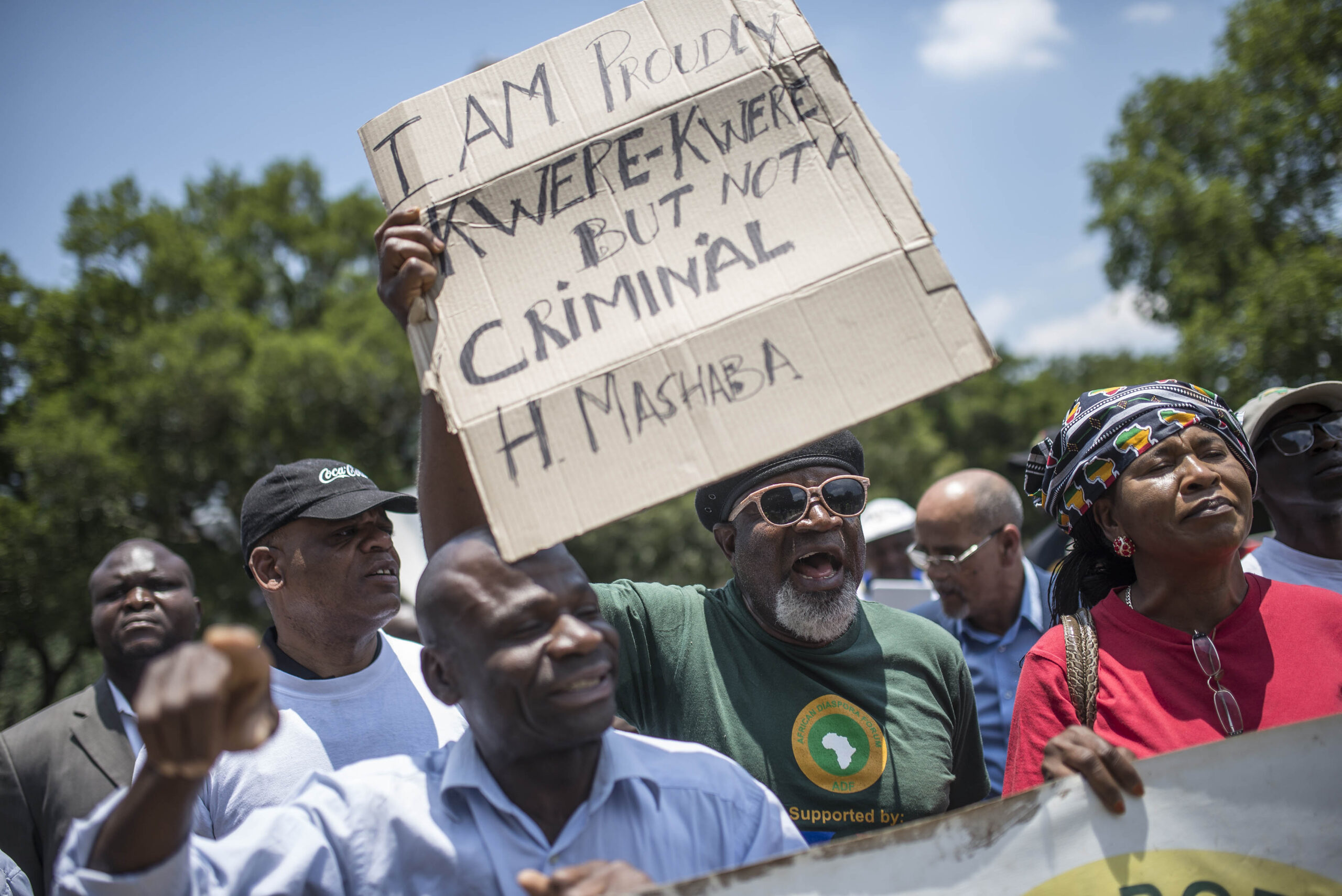
“The ANC has strongly defended its record on tackling illegal immigration, rejecting claims that foreign actors are fueling unrest in South Africa. Opposition parties and NGOs argue that the government’s policies are inadequate, setting the stage for a broader political showdown ahead of the upcoming local elections.”
South Africa’s immigration policy has once again taken center stage in the national political discourse. On July 6, 2026, the African National Congress (ANC) leadership responded to mounting criticism from opposition parties, civil society organizations, and international observers regarding its handling of illegal immigration and the broader implications for governance and social stability.
Background
Immigration has long been a contentious issue in South Africa. The country’s economic disparities, porous borders, and regional instability have made it a destination for migrants from across Africa. While immigration contributes to labor supply and cultural diversity, it has also fueled tensions over jobs, housing, and public services.
Recent protests in Gauteng and KwaZulu-Natal highlighted these tensions, with demonstrators accusing the government of failing to control illegal immigration. The ANC countered by suggesting that foreign actors may be influencing these protests, a claim that has drawn sharp rebukes from both domestic and international stakeholders.
ANC’s Position
The ANC’s Secretary-General, Fikile Mbalula, defended the party’s record, stating that successive ANC governments have implemented robust measures to address illegal immigration. These include:
- Strengthening border patrols.
- Expanding cooperation with neighboring states.
- Introducing stricter visa regulations.
Mbalula emphasized that immigration policy must balance national security with humanitarian obligations, particularly given South Africa’s role in the African Union and its historical commitment to solidarity with liberation movements across the continent.
Opposition Response
Opposition parties, particularly the Economic Freedom Fighters (EFF) and the Democratic Alliance (DA), have seized on the issue to criticize the ANC’s governance. The EFF accused Mbalula of making defamatory claims about its stance on immigration, while the DA argued that the ANC’s policies are inconsistent and poorly enforced.
Civil society organizations, including NGOs working with migrants and refugees, have also challenged the ANC’s narrative. They argue that blaming foreign actors for domestic protests distracts from the real issues: inadequate policy implementation, corruption, and lack of accountability.
Judicial Involvement
South Africa’s courts have increasingly played a role in shaping immigration policy. NGOs have brought cases challenging government actions, including deportations and detention practices. The judiciary has often sided with civil society, reinforcing constitutional protections for migrants and refugees.
This judicial activism has further strained relations between the ANC and NGOs, with the party accusing the courts of undermining executive authority.
Political Implications
The immigration debate is unfolding against the backdrop of the upcoming local government elections. Analysts suggest that the ANC’s handling of immigration could significantly influence voter sentiment, particularly in urban areas where tensions are most pronounced.
Key implications include:
- Electoral impact: Immigration policy could sway undecided voters, especially in provinces like Gauteng.
- Coalition dynamics: Opposition parties may use immigration as a rallying point to build coalitions against the ANC.
- Policy reform: Pressure from civil society and the judiciary may force the ANC to revisit its immigration framework.
Broader Context
South Africa’s immigration challenges are not unique. Across the globe, governments are grappling with similar issues, from Europe’s refugee crisis to the United States’ border debates. In South Africa, however, the issue is deeply intertwined with historical legacies of apartheid, economic inequality, and regional geopolitics.
Conclusion
The ANC’s defense of its immigration policy underscores the complexity of balancing national interests with constitutional obligations and international commitments. As the debate intensifies, immigration is poised to become a defining issue in South Africa’s political landscape, shaping not only the upcoming elections but also the country’s long-term trajectory.



