




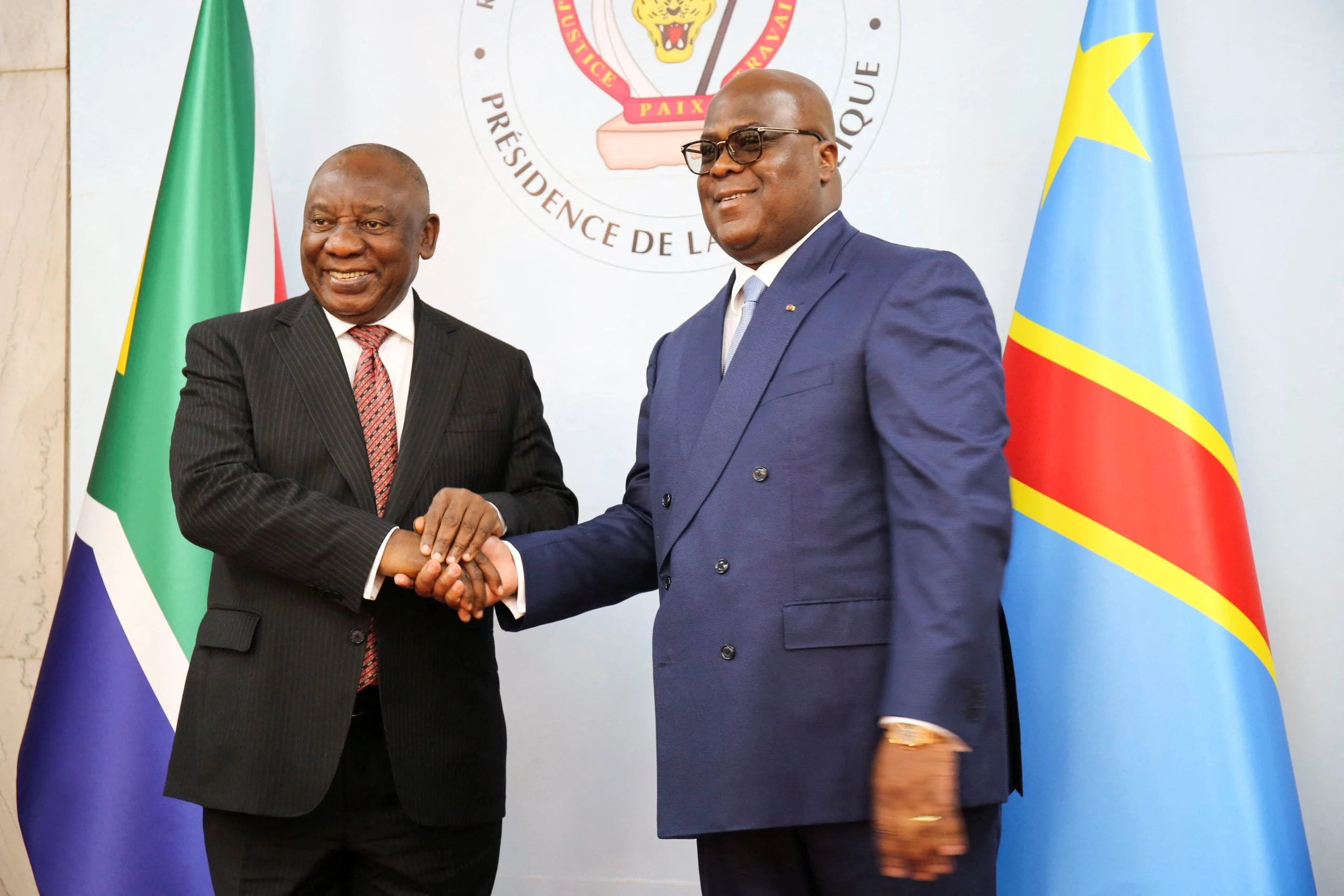
“President Cyril Ramaphosa, in his role as African Union Champion for Pandemic Preparedness, Prevention, and Response, visited Kinshasa to reinforce continental solidarity and strengthen ties with the Democratic Republic of Congo. His engagement highlights South Africa’s growing influence in shaping Africa’s collective response to health crises and regional stability.”
On July 6, 2026, South Africa’s President Cyril Ramaphosa undertook a landmark African Union (AU) solidarity visit to Kinshasa, Democratic Republic of Congo (DRC). The visit, framed around pandemic preparedness and regional cooperation, underscores South Africa’s evolving role as a continental leader in diplomacy, health security, and political stability.
Context of the Visit
Ramaphosa’s trip comes at a time when Africa faces mounting challenges: lingering effects of Ebola outbreaks, the global threat of new pandemics, and regional instability in parts of Central and Southern Africa. As the AU Champion for Pandemic Preparedness, Ramaphosa’s presence in Kinshasa signals a commitment to collective action.
Strategic Importance
- Health Diplomacy: The AU has prioritized pandemic preparedness, and South Africa is positioning itself as a hub for vaccine production and medical innovation.
- Regional Stability: The DRC remains a focal point for peace and security discussions, given its history of conflict and its strategic role in Central Africa.
- Economic Cooperation: Strengthening ties with the DRC opens avenues for trade, infrastructure development, and energy collaboration.
Key Outcomes of the Visit
- Joint AU-DRC Declaration: Ramaphosa and Congolese leaders emphasized the need for coordinated pandemic response mechanisms, including shared research facilities and rapid deployment teams.
- Security Dialogue: Discussions touched on stabilizing eastern DRC, where armed groups continue to disrupt peace efforts. South Africa pledged support through AU peacekeeping frameworks.
- Economic Partnerships: Talks included potential collaboration in mining, energy, and transport infrastructure, aligning with South Africa’s broader push for intra-African trade under the African Continental Free Trade Area (AfCFTA).
South Africa’s Diplomatic Positioning
Ramaphosa’s visit reflects South Africa’s ambition to be seen not just as a regional power but as a continental leader. By spearheading pandemic preparedness, Pretoria is leveraging its scientific capacity and diplomatic networks to shape Africa’s future resilience.
Regional Reactions
- Congolese Government: Welcomed South Africa’s engagement, noting the importance of solidarity in addressing both health and security challenges.
- African Union: Praised Ramaphosa’s leadership, framing the visit as a model for how member states can collaborate beyond national interests.
- Civil Society: Advocacy groups highlighted the need for such diplomatic efforts to translate into tangible benefits for ordinary citizens, particularly in health access.
Challenges Ahead
Despite the positive optics, challenges remain:
- Implementation Gap: Past AU declarations have often struggled to translate into action.
- Security Risks: Armed conflict in eastern DRC continues to undermine stability.
- Resource Constraints: Funding pandemic preparedness across Africa requires sustained investment, which may be difficult amid economic pressures.
Broader Implications
Ramaphosa’s visit is emblematic of a shift in African diplomacy—towards collective resilience and shared responsibility. It also strengthens South Africa’s standing in global forums, where its leadership in Africa can bolster its influence in negotiations with partners like the EU, US, and China.
Conclusion
President Ramaphosa’s solidarity visit to the DRC is more than a symbolic gesture; it is a strategic move that reinforces South Africa’s leadership in international relations under politics. By championing pandemic preparedness and regional cooperation, Ramaphosa is positioning South Africa as a central actor in Africa’s future stability and prosperity.



