




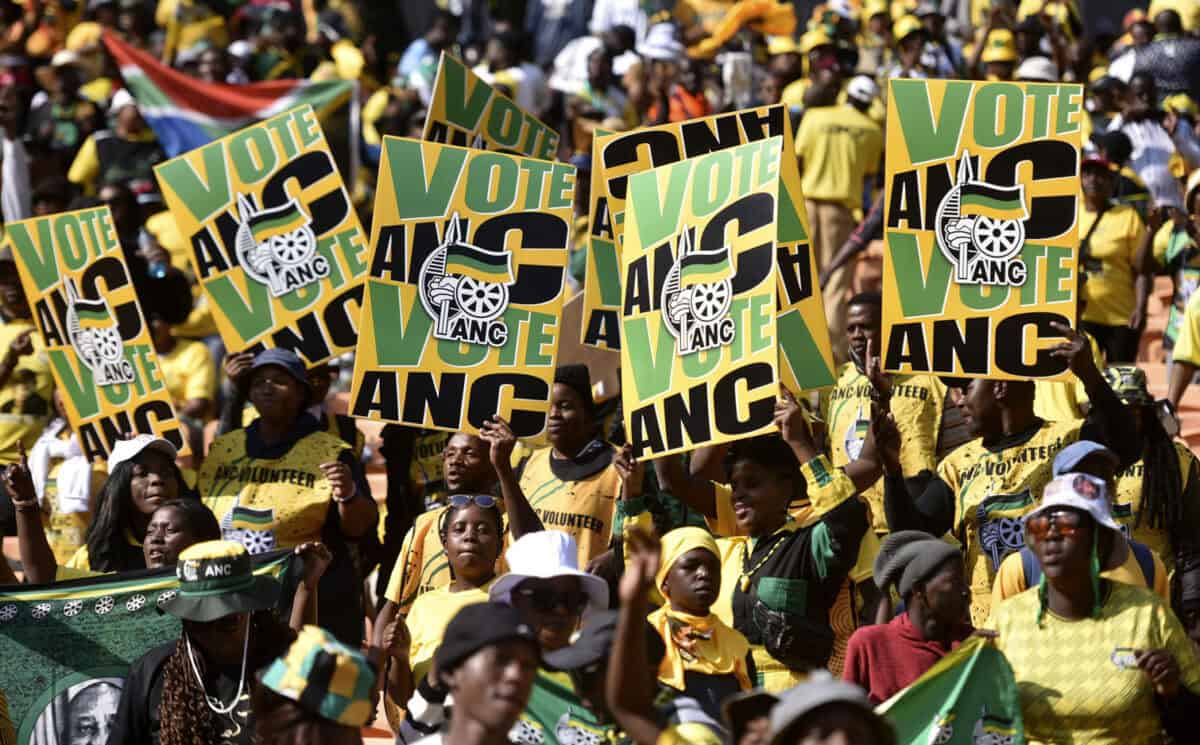
“The ANC has officially announced its candidate for the Johannesburg mayoral race, marking a pivotal moment in the party’s campaign strategy ahead of the 2026 local government elections. The choice is expected to influence governance outcomes in South Africa’s economic hub, with implications for infrastructure, municipal services, and regulatory priorities.”
Johannesburg, South Africa’s largest city and economic powerhouse, has become the focal point of political attention as the African National Congress (ANC) announced its mayoral candidate today. This announcement is not merely a routine political exercise; it represents a strategic move by the ANC to consolidate its influence in a city that has historically been a contested battleground for governance, service delivery, and economic development.
Political Context
The ANC’s decision comes at a time when South Africa is grappling with pressing governance challenges, including infrastructure decay, unreliable municipal services, and growing public dissatisfaction with political leadership. Johannesburg, as the country’s commercial hub, embodies these challenges more acutely than any other city. The mayoral race is therefore seen as a litmus test for the ANC’s ability to restore confidence in its governance model.
Governance Implications
- Infrastructure Development: Johannesburg’s infrastructure crisis, from deteriorating roads to unreliable electricity supply, has been a recurring theme in political debates. The new mayoral candidate will be tasked with presenting a credible plan to address these issues.
- Municipal Services: Service delivery failures, particularly in water and sanitation, have eroded public trust. The ANC’s candidate must demonstrate a commitment to improving efficiency and accountability in municipal governance.
- Regulatory Priorities: As South Africa’s financial capital, Johannesburg’s regulatory environment directly impacts investor confidence. The mayoral candidate’s stance on urban planning, housing, and business regulation will be closely scrutinized.
Strategic Posture of the ANC
The ANC’s choice of candidate signals its broader strategic posture ahead of the 2026 local government elections. Analysts suggest that the party is attempting to balance internal factional interests while projecting an image of stability and competence. The candidate’s profile—whether reformist, technocratic, or populist—will shape perceptions of the ANC’s governance capacity.
Public Reaction
Initial public reactions have been mixed. Supporters view the announcement as a necessary step toward revitalizing Johannesburg’s governance, while critics argue that the ANC has failed to deliver on past promises. Civil society organizations have emphasized the need for transparency and accountability, urging the new candidate to prioritize citizen engagement.
Economic Impact
Johannesburg’s governance trajectory has direct implications for South Africa’s economy.
- Investor Confidence: A credible governance plan could attract investment in key sectors such as real estate, finance, and technology.
- Employment: Improved infrastructure and service delivery could stimulate job creation, particularly in construction and municipal services.
- Fiscal Stability: Effective governance in Johannesburg would bolster municipal revenue collection, reducing reliance on national bailouts.
Comparative Analysis
The ANC’s announcement must also be viewed in the context of opposition parties’ strategies. The Democratic Alliance (DA) has positioned itself as a champion of efficient governance, while ActionSA has focused on anti-corruption measures. The mayoral race is therefore expected to be highly competitive, with governance outcomes hinging on voter perceptions of credibility and competence.
Conclusion
The ANC’s announcement of its Johannesburg mayoral candidate marks a defining moment in South Africa’s governance landscape. As the city prepares for the 2026 local government elections, the candidate’s ability to address infrastructure challenges, improve service delivery, and restore public trust will determine not only Johannesburg’s future but also the ANC’s broader political fortunes.



