




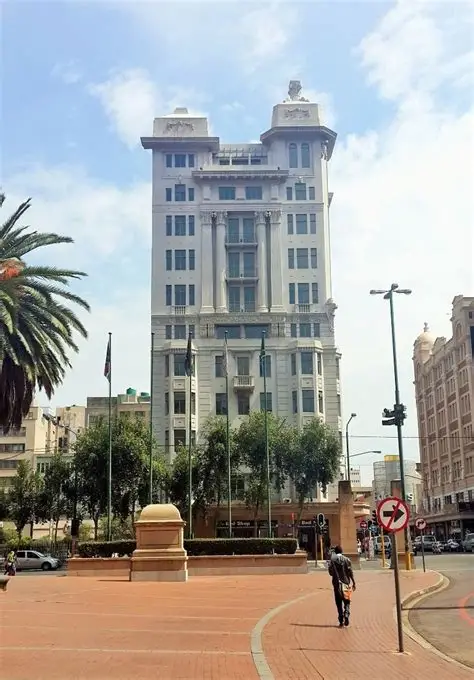
“The Barbican Building in Johannesburg, once a 1931 Art Deco landmark turned derelict ruin in the 1990s, has reopened after an extensive restoration project. The redesign preserves its historic character while introducing modern functionality, making it a new hub for design, culture, and urban regeneration.”
Johannesburg’s architectural landscape has gained a renewed jewel with the reopening of the Barbican Building, a 1931 Art Deco masterpiece that had languished in disrepair for decades. Once a symbol of the city’s cosmopolitan rise, the Barbican fell into ruin during the 1990s, reflecting broader urban decline. Now, after a painstaking restoration effort, the building has been reborn as a beacon of design innovation and heritage preservation.
Historical Significance
The Barbican was originally constructed as a mixed-use commercial and residential space, embodying the optimism of Johannesburg’s early 20th-century boom. Its Art Deco detailing, geometric motifs, and elegant façade made it one of the city’s most recognizable landmarks. However, by the late 20th century, economic shifts and urban neglect left the building abandoned, its grandeur hidden beneath decay.
Restoration Vision
The revival project was spearheaded by a consortium of architects, designers, and heritage specialists committed to balancing authentic preservation with contemporary needs. The restoration retained key Art Deco features—such as the façade’s vertical lines and ornamental detailing—while integrating modern amenities like energy-efficient systems, open-plan interiors, and adaptive reuse spaces. This approach reflects a growing trend in South African design: blending historical identity with sustainable innovation.
Design and Functionality
The restored Barbican now houses a mix of cultural venues, creative studios, and public spaces. Designers emphasized flexibility and inclusivity, ensuring the building could serve multiple functions—from exhibitions and design showcases to co-working hubs and hospitality. The interiors highlight natural light, restored terrazzo flooring, and carefully curated furniture that nods to both vintage and modern aesthetics.
Urban Impact
The reopening of the Barbican is more than an architectural achievement; it is a symbol of Johannesburg’s urban regeneration. Situated in the city center, the building’s revival is expected to catalyze further investment in surrounding areas, encouraging a design-led approach to urban renewal. Local businesses, artists, and cultural organizations are already engaging with the space, positioning it as a creative hub.
Broader Design Context
South Africa’s design community has increasingly embraced projects that reconnect heritage with modernity. The Barbican’s restoration aligns with initiatives like Cape Town Furniture Week and the SARCDA Trade Show, which highlight the country’s design talent and innovation. By reviving a landmark, Johannesburg signals its commitment to design as a driver of cultural identity and economic growth.
Public Reception
The reopening has been met with enthusiasm from both locals and international visitors. For many, the Barbican represents not only a restored building but also a restored sense of pride in Johannesburg’s architectural heritage. The project demonstrates how design can bridge past and future, creating spaces that honor history while serving contemporary needs.



