




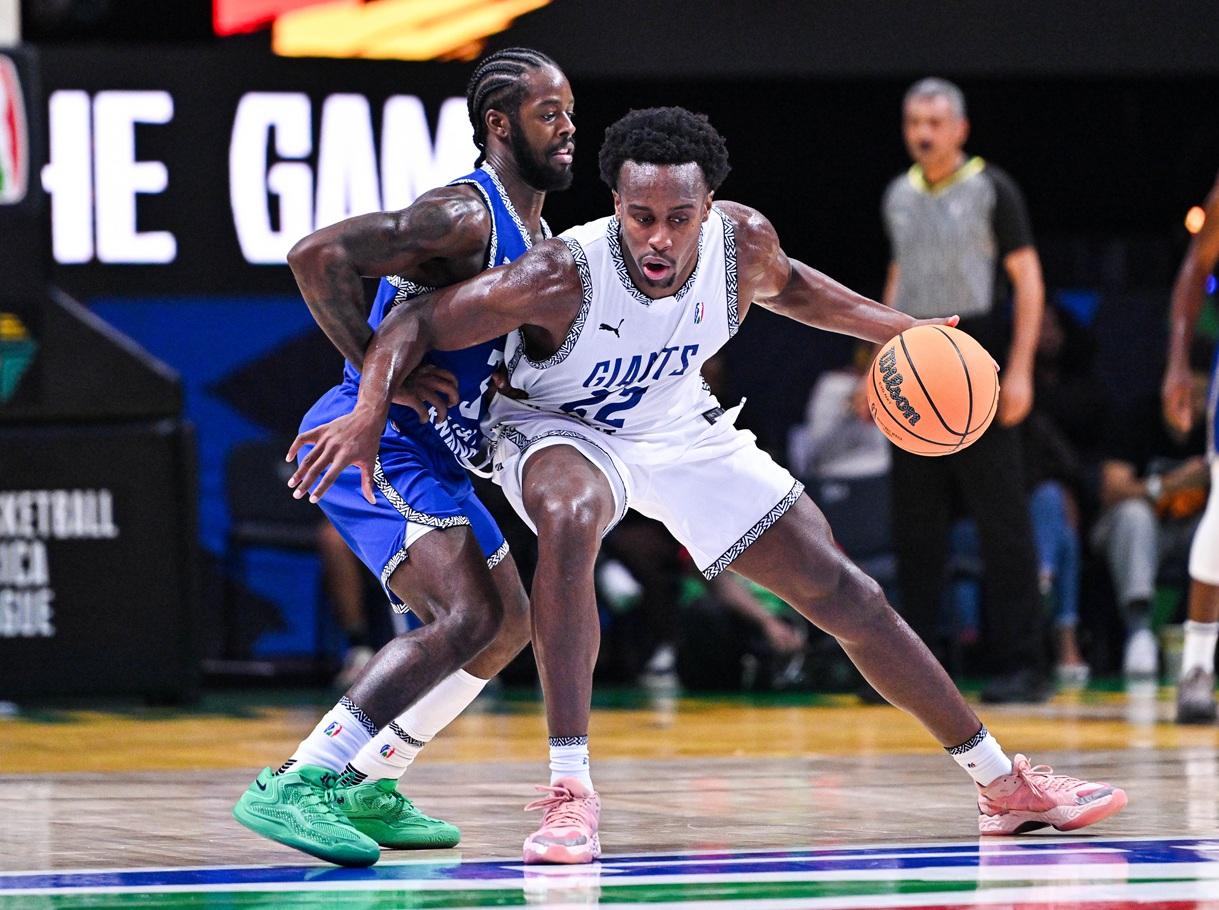
“NBA South Africa head Zeph Masote says the Basketball Africa League is growing strongly, pointing to more than 38,000 spectators attending its 2026 games at Pretoria’s SunBet Arena and continued enthusiasm across the continent. As preparations for the seventh season get underway, Masote is calling on South African businesses and municipalities to partner with basketball organisations to expand facilities and create more opportunities for young players.”
Basketball Africa League Growth Raises Hopes for South African Basketball
PRETORIA, South Africa — 28 October 2026. South African basketball has received an encouraging boost as preparations continue for the seventh season of the Basketball Africa League (BAL), with NBA South Africa head Zeph Masote highlighting the competition’s growing popularity and urging businesses and municipalities to invest further in the sport.
In an interview published by SABC Sport on 27 October, Masote described the league as being in a strong position following a 2026 season that attracted substantial crowds, delivered exciting competition and expanded basketball’s visibility across several African markets. His comments come at a time when South African basketball faces both significant development opportunities and ongoing governance challenges.
Growing crowds demonstrate basketball’s potential
One of the most significant indicators of progress highlighted by Masote was attendance at Pretoria’s SunBet Arena during the 2026 BAL season.
According to the SABC Sport report, more than 38,000 spectators attended games at the venue. The crowds demonstrated the potential for professional basketball to attract South African audiences when international-standard competition is brought to local arenas.
The figures also reflect a wider opportunity for basketball organisers. Supporters who attend live games contribute to the atmosphere that makes sporting events attractive, while their presence can help demonstrate the commercial value of competitions to potential sponsors and partners.
Basketball offers an engaging combination of speed, athleticism, individual skill and tactical decision-making. Its relatively compact playing area allows spectators to follow the action closely, while rapid changes in possession can create excitement throughout a game.
For younger audiences, professional competitions can also provide visible examples of what sustained training and competitive ambition may achieve. Watching experienced players perform at a high level can encourage aspiring athletes to join local clubs, attend coaching sessions and pursue structured development programmes.
However, attendance figures alone cannot guarantee long-term growth. Basketball organisations must translate public interest into regular participation, sustainable club structures, youth competitions and improved access to facilities.
The challenge for South Africa is therefore to build on the attention generated by the BAL and develop opportunities that remain available after major tournaments conclude.
A continental league with growing influence
Launched in 2021 through a partnership between the National Basketball Association and the International Basketball Federation, the Basketball Africa League was established to strengthen professional club basketball across Africa.
The competition brings together leading clubs from different African countries, offering players opportunities to compete internationally and giving supporters access to high-level basketball.
Its development has helped establish a more visible platform for African talent, while also creating opportunities for commercial partnerships, media coverage and engagement with international basketball networks.
The league’s 2026 season featured 12 teams from 12 countries. Games were staged in Pretoria, Morocco and Rwanda, connecting audiences across several markets and giving clubs different routes to compete for the championship.
The season concluded in Kigali on 31 May, when Rwanda’s RSSB Tigers defeated Angola’s Petro de Luanda 90–88 to win the title. The result marked the first BAL championship for a club from Rwanda.
For South Africa, hosting the opening conference offered an opportunity to showcase local venues and bring international basketball to domestic supporters. It also provided an important platform for local players to measure themselves against some of the continent’s strongest teams.
The longer-term benefits, however, will depend on whether this exposure contributes to stronger local leagues, more competitive development pathways and greater investment in community basketball.
Corporate investment remains a priority
Masote’s appeal to businesses and municipalities was a central element of the latest report.
He indicated that NBA South Africa had already helped build several courts in the country and encouraged additional partners to support the expansion of basketball infrastructure.
Access to suitable courts is fundamental to the development of any sport. Without reliable facilities, young players may struggle to train consistently, coaches may lack appropriate venues for their programmes, and community clubs can find it difficult to organise regular competitions.
Infrastructure investment can also help address geographical inequalities. Where courts are concentrated in a limited number of urban centres, aspiring athletes from smaller towns and underserved communities may face additional barriers to participation.
Partnerships involving businesses, local authorities, schools and sports organisations could help broaden access. Depending on local needs, projects might include building new courts, renovating existing facilities, providing equipment or supporting structured coaching programmes.
Businesses also have commercial reasons to consider basketball partnerships. Sporting events can provide opportunities to reach audiences, develop community relationships and associate a brand with youth participation, healthy activity and athletic achievement.
Nevertheless, effective investment requires more than constructing facilities. Courts need maintenance, appropriate scheduling, trained coaches and programmes that encourage regular use. Organisations must also consider safe playing conditions and access for participants with different levels of experience.
A coordinated approach could help ensure that new facilities remain useful to communities long after a launch event or sponsorship campaign has ended.
Opportunities for young South African players
The development of basketball infrastructure is closely connected to opportunities for young athletes.
Community courts can provide the starting point for players who later progress into school competitions, local clubs, regional tournaments and professional environments. This pathway becomes stronger when young people can access coaching, appropriate equipment and meaningful competition.
Schools can play an important role by incorporating basketball into sporting programmes and connecting interested learners with established clubs. Community organisations can complement these efforts by arranging training sessions and competitions that accommodate different ages and skill levels.
Coaches are particularly important because talent alone does not guarantee progression. Players need instruction in fundamental skills such as ball handling, passing, shooting, defensive positioning and movement without the ball. They must also develop fitness, teamwork, discipline and the ability to make decisions under pressure.
Exposure to professional basketball can reinforce these lessons. Watching high-level players compete provides examples of how technical ability, communication and tactical awareness work together.
For talented athletes, a stronger domestic environment could also create more opportunities to pursue competitive basketball without immediately needing to leave their communities.
However, meaningful progress will require consistent investment. One successful tournament or a handful of newly built courts cannot replace a sustainable development system. The goal should be to create opportunities that allow young players to improve over several years.
South African basketball must also address governance
Despite the positive developments surrounding the BAL, South African basketball continues to face administrative challenges that could affect its ability to capitalise on growing interest.
A dispute over the country’s representative for the Road to BAL 2027 has exposed disagreements between Basketball South Africa (BSA) and the Basketball National League (BNL).
The Johannesburg Giants won the Basketball South Africa National Clubs Championship in October, finishing unbeaten and defeating MBB 99–57 in their final game. BSA maintains that the Giants are the legitimate national champions and should represent the country in the continental qualification competition.
The BNL, meanwhile, announced that the Soweto Panthers would represent South Africa after winning its 2026 league championship. The competing claims have raised questions about governance, competition recognition and the procedures used to determine international representatives.
These issues matter because clubs, players, sponsors and supporters need clear rules and credible decision-making processes. Uncertainty about competition authority can complicate planning, affect confidence and make it harder to establish a consistent pathway from domestic basketball to continental tournaments.
Resolving the dispute transparently would help stakeholders concentrate on the sport’s development. Any decision should follow the applicable regulations and provide clarity about eligibility, competition recognition and the process for selecting representatives.
The governance issue also highlights the importance of coordination between federations, leagues, clubs and international bodies. Sustainable growth depends not only on the quality of the basketball but also on the credibility of the institutions responsible for organising it.
Turning international attention into lasting progress
The BAL’s growing profile presents South African basketball with an opportunity to build stronger relationships with supporters, businesses, schools and local communities.
One practical priority is improving the connection between major professional events and grassroots participation. Organisers could explore school visits, coaching clinics, community tournaments and youth activities that introduce more people to the sport.
Another priority is making basketball commercially sustainable. Sponsorship arrangements, ticket sales, media exposure and community partnerships can contribute to development when supported by clear objectives and responsible financial management.
Local authorities can also contribute by identifying suitable sites, maintaining public sports facilities and working with clubs to make courts accessible. Businesses, meanwhile, can support programmes through funding, equipment, coaching assistance or other partnerships that respond to identified community needs.
Progress should be measured through practical outcomes, including participation levels, the number of active clubs, access to coaching, facility use and opportunities for young players to compete. Such measures would help stakeholders understand whether investment is delivering lasting benefits.
Importantly, these initiatives should not be limited to areas that already enjoy strong sporting infrastructure. Extending access to communities with fewer facilities could help widen the talent pool and strengthen basketball’s national reach.
Looking towards the seventh season
As preparations for BAL season seven continue, Masote’s assessment offers an optimistic view of the league’s direction while underscoring the need for further collaboration.
The reported attendance at SunBet Arena shows that South Africa can attract considerable interest when elite basketball reaches local audiences. The next challenge is to use that interest to strengthen the foundations of the sport.
For players, coaches and clubs, progress will depend on access to facilities, consistent competition and reliable development structures. For sponsors and municipalities, the opportunity lies in supporting initiatives that deliver visible, measurable benefits to communities.
South Africa’s participation in continental basketball also depends on resolving administrative disputes that threaten to overshadow achievements on the court. Clear governance and cooperation would give clubs a more predictable environment in which to prepare for domestic and international competition.
The BAL’s expansion cannot solve every challenge facing the local game, but it can provide a valuable platform for progress. By combining professional exposure with grassroots investment, improved administration and long-term partnerships, South Africa could strengthen its basketball ecosystem and create more opportunities for the next generation.
Masote’s message is ultimately about converting momentum into action. The crowds have demonstrated interest, the continental competition continues to grow, and the country has an opportunity to build on its experience as a host.
Whether that opportunity produces lasting change will depend on the commitment of sporting bodies, businesses, local authorities and communities to work together beyond the final whistle.



