




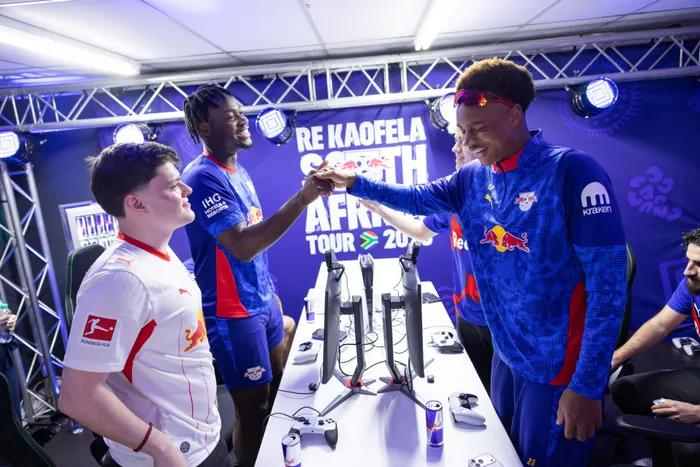
“South Africa’s competitive gaming community is preparing for the Red Bull Wings Cup national final, scheduled for 1 November 2026 at Loftus Versfeld Stadium in Pretoria, where 16 EA SPORTS FC 27 players are expected to compete for a place at an international final in Miami. The competition, which includes online and university-based qualification routes, illustrates how esports organisers are creating more opportunities for emerging players to gain competitive experience and represent South Africa internationally.”
South African esports enters an important competitive period
South Africa’s esports industry is approaching another significant moment as players prepare for the Red Bull Wings Cup national final, an EA SPORTS FC 27 competition designed to connect local talent with an international competitive opportunity. With the South African final scheduled for 1 November 2026 at Loftus Versfeld Stadium in Pretoria, the event places competitive gaming alongside the country’s broader sporting culture and gives aspiring players a clear objective to pursue.
According to reporting published by IOL in September, the tournament combines online competition with opportunities for university players, creating different entry points for participants seeking to qualify for the national final. The South African winner is expected to advance to a world final in Miami in January 2027.
The significance of this development extends beyond a single video game. It reflects the gradual professionalisation of esports in South Africa, where organised competitions, gaming communities, sponsors and established sporting venues are increasingly connected. For aspiring professionals, these events provide opportunities to test their abilities, develop competitive discipline and potentially progress beyond local tournaments.
A national competition with international ambitions
The Red Bull Wings Cup is centred on EA SPORTS FC 27, a football simulation game that allows players to compete using virtual football teams. Like traditional football, success requires tactical awareness, quick decision-making and the ability to respond to an opponent’s changing strategy.
However, esports introduces additional demands. Competitors must understand the game’s mechanics, recognise patterns in an opponent’s play and execute their tactics under the pressure of a live match. Small mistakes can determine the outcome, particularly when players have similar technical abilities.
The tournament’s qualification structure is particularly important because it offers more than one route towards the national stage. Online competition allows eligible participants to compete without necessarily travelling to a physical venue, while university-based activations provide another avenue for students to participate.
These pathways can help broaden the pool of competitors. Nevertheless, accessibility depends on practical considerations, including internet reliability, suitable equipment, entry requirements and access to the game itself.
The national final is expected to bring together 16 players, according to the published tournament coverage. From there, the South African champion will have the opportunity to represent the country at the international final in Miami, subject to the competition’s arrangements.
For the participants, the stakes therefore extend beyond winning a local tournament. Reaching an international competition can provide exposure to different playing styles, higher levels of competition and new professional connections.
Kennedy Kapembwa’s Comic Con Africa breakthrough
One of the notable developments in the competition’s early South African campaign was Kennedy Kapembwa’s victory at a Red Bull Wings Cup activation during Comic Con Africa in Johannesburg.
HYPE Magazine reported on 30 September that Kapembwa finished first after competing against 255 participants at the activation. His victory earned him a place in the next stage of the competition, moving him closer to the national final in Pretoria.
The result demonstrates how large gaming and entertainment events can create opportunities for competitive players to demonstrate their skills in front of a wider audience. Comic Con Africa attracts communities interested in gaming, entertainment, comics and popular culture, providing an environment in which esports can reach people who might not ordinarily follow organised competitions.
For an emerging competitor, winning such an event can also serve as a valuable confidence boost. Players must maintain concentration through multiple matches, adapt to different opponents and manage the pressure associated with elimination rounds.
Kapembwa’s reported success should not, however, be confused with winning the national championship. His Comic Con performance secured progress towards the next stage; the national title remains a separate challenge for the players who qualify.
The distinction matters because esports tournaments commonly feature several stages, each with different competitive requirements. A strong performance in one stage establishes momentum, but competitors must continue to perform consistently to reach the ultimate prize.
Preparation, discipline and the demands of professional gaming
As the national final approaches, preparation is likely to be an important factor in determining which competitors perform best. Although esports is often associated with entertainment, serious competition requires structured practice and sustained concentration.
Players typically benefit from reviewing previous matches, identifying recurring mistakes and testing different tactical approaches. In football simulation games, this can include learning how to defend against particular formations, manage possession, exploit space and make substitutions or tactical adjustments at appropriate moments.
Equally important is emotional control. A competitor who becomes frustrated after conceding a goal may begin making unnecessary risks. Conversely, a player who remains calm can assess the situation and respond strategically.
Physical wellbeing also matters. Adequate sleep, regular breaks, hydration and exercise can support concentration during extended gaming sessions. Competitive performance depends on more than simply spending long hours playing.
For young South Africans interested in pursuing esports, these habits provide a foundation for improvement. They also help distinguish a disciplined competitive approach from casual gaming.
However, players should recognise that professional opportunities are not guaranteed. Reaching the highest levels requires sustained performance, and earnings can vary considerably depending on tournament results, sponsorship arrangements, streaming audiences and other professional activities.
The role of universities and grassroots participation
University participation is another important feature of South Africa’s esports development. Campus competitions can introduce students to organised gaming while allowing them to combine their academic responsibilities with competitive interests.
South African universities have already demonstrated the potential of structured esports programmes. Stellenbosch University has reported on the development of competitive gaming at the institution, while the University of Cape Town has covered its participation and success in University Sports South Africa esports competition.
These programmes illustrate how educational institutions can contribute to a broader competitive ecosystem. Universities may offer access to fellow players, organised teams, event participation and opportunities to learn about teamwork and strategy.
They can also help create communities where inexperienced players receive guidance from more experienced competitors. This is particularly valuable for students who want to improve but have limited access to established esports organisations.
Nevertheless, participation must remain accessible to students with different financial circumstances. Gaming equipment, software, connectivity and travel can create barriers, while time commitments must be balanced against academic work.
Competition organisers and educational institutions can help address these challenges by providing shared equipment, affordable entry opportunities and clear participation guidelines.
Sponsors and the commercial future of esports
Corporate sponsorship is another important component of the sector’s growth. Major events require investment in equipment, venues, production, promotion and tournament administration. Sponsorship can help meet these costs while connecting brands with gaming audiences.
For South African esports, the commercial opportunity includes tournaments, gaming hardware, telecommunications, entertainment, streaming and digital advertising. Brands can also engage audiences through live activations, online content and community competitions.
However, long-term development depends on delivering meaningful value to both players and sponsors. Competitions need credible rules, reliable scheduling, fair judging and clear communication about prizes and qualification requirements.
Players also need confidence that entry conditions are transparent and that tournament results are handled consistently. Such standards are essential for maintaining trust in a competitive environment.
Esports organisers can strengthen their position by publishing schedules in advance, explaining eligibility requirements, providing timely updates and making official results easy to access.
Challenges facing South African competitive gaming
Despite the opportunities, the industry still faces practical challenges. Reliable internet connectivity, equipment costs and access to competitive infrastructure can affect players’ ability to train and participate.
Connectivity is particularly important for online tournaments, where latency and unstable connections can influence gameplay. Research and reporting on African esports have highlighted infrastructure and connectivity as issues affecting the wider region.
Local organisers must also work to build sustainable competitions beyond individual high-profile events. A healthy ecosystem needs regular opportunities for beginners, intermediate players and experienced professionals.
Another challenge is ensuring that audiences understand esports as a competitive activity rather than viewing all gaming as purely recreational. Broadcast commentary, accessible explanations of tournament formats and coverage of player development can help introduce newcomers to the sport.
At the same time, organisers should avoid overstating the financial prospects available to participants. Esports can create career opportunities, but success depends on a combination of skill, consistency, audience engagement and business conditions.
What the national final could mean for South African esports
The 1 November national final offers an opportunity to bring these different elements together: competitive players, supporters, sponsors and a venue familiar to South African sports audiences.
For the finalists, the immediate objective will be to deliver consistent performances under pressure. For the broader industry, the event offers a chance to demonstrate that esports can attract participants and audiences through organised, well-promoted competition.
International progression could also provide valuable experience for the eventual South African representative. Competing against players from other countries can expose weaknesses, introduce new tactical approaches and establish connections with the wider gaming community.
However, the lasting impact of the tournament will depend on what follows. Continued local competitions, stronger university programmes, inclusive grassroots initiatives and dependable sponsorship will be necessary to turn individual successes into a sustainable national esports ecosystem.
South Africa already has an active network of esports communities and tournament organisers. The challenge is to ensure that talented players can progress from introductory competitions to more demanding levels without facing unnecessary barriers.
Conclusion
South Africa’s Red Bull Wings Cup campaign represents a timely opportunity to showcase local EA SPORTS FC 27 talent and strengthen the connection between grassroots gaming and international competition. Kennedy Kapembwa’s reported success at Comic Con Africa has added an early milestone to the campaign, while the upcoming national final provides a further test for the players pursuing qualification.
The competition’s importance lies not only in the eventual winner but also in the pathways it creates for participants, the visibility it gives competitive gaming and the opportunities it offers sponsors and communities to support emerging talent.
As the 1 November final approaches, attention will turn to which players can combine technical ability, tactical discipline and composure to secure the South African title. The winner’s anticipated journey to Miami could provide an important international opportunity, while the wider esports community will be looking for sustained progress long after the final match concludes.



