




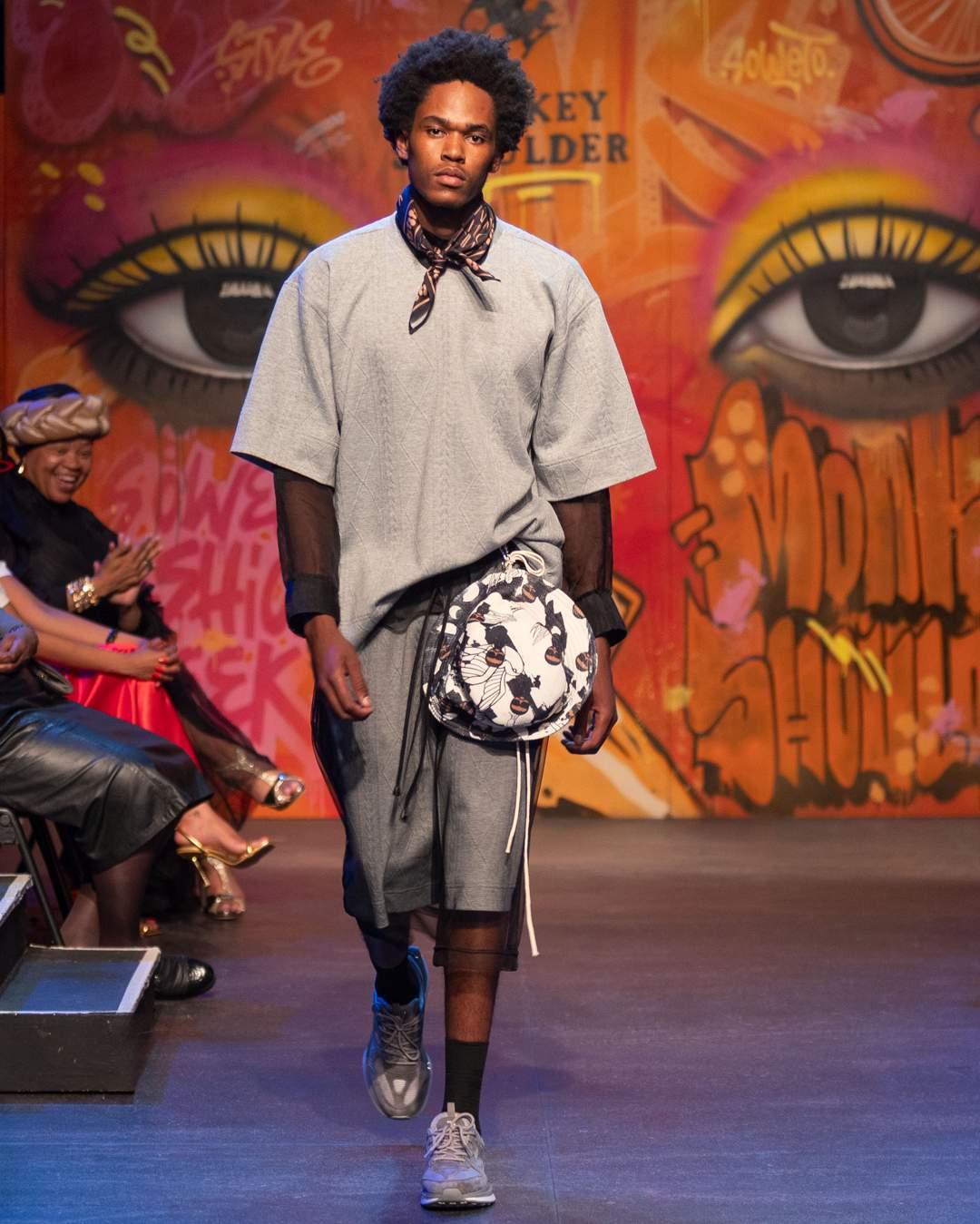
“Soweto Fashion Week is preparing to return to Soweto Theatre from 5 to 7 November 2026, bringing together established designers, emerging fashion businesses and creative talents to showcase Spring/Summer 2026 collections. The programme’s inclusion of contemporary urban labels, including Dope Store, highlights the growing relationship between South African streetwear, local identity, youth culture and the country’s developing fashion industry.”
Soweto Fashion Week returns to Soweto Theatre
Soweto Fashion Week returns to Soweto Theatre in Jabulani from 5 to 7 November 2026. Its Spring/Summer 2026 programme brings together emerging designers, established labels, students and creative practitioners. While the event covers several fashion disciplines, its streetwear relevance comes through contemporary urban labels and the continuing influence of township culture on South African fashion and youth expression.
The announcement, reported on 30 October, arrives at a time when South African streetwear is gaining visibility through independent labels, retail collaborations, music-led projects and fashion industry platforms. The event is not exclusively a streetwear showcase, and it would be misleading to describe every participating designer as a streetwear specialist. Instead, its importance lies in the way it places urban fashion alongside heritage design, contemporary menswear, womenswear and experimental creative work. That mix reflects how streetwear increasingly overlaps with the wider fashion industry.
A platform rooted in Soweto
Soweto Fashion Week has a particular significance because of its location and its long-running commitment to creating opportunities for local designers. Established in 2011, the platform has developed into a showcase for South African fashion talent and a meeting point for designers, models, stylists, media and audiences. Holding the event at Soweto Theatre connects the runway to a place with a powerful cultural history and an active contemporary creative community.
Streetwear often develops outside traditional fashion institutions. It draws on everyday clothing, music, dance, sport, neighbourhood identity and the personal creativity of people who use fashion to communicate who they are. In South Africa, township styles and urban youth cultures have contributed to distinctive looks that combine local references with international influences. A fashion platform in Soweto can therefore provide an important setting for designers to present those ideas in a professional environment.
The November programme is expected to feature collections that celebrate South African identity through expressive colour, prints and movement. These elements can also be central to streetwear, where graphics, silhouette, fabric treatment and styling help brands communicate a recognisable point of view. The runway offers designers an opportunity to show how such ideas can be developed into complete collections rather than isolated garments or social-media looks.
Emerging designers take the first-night spotlight
The opening night will focus on emerging talent, with nine designers scheduled to present work in the Emerging Designers Bloc. The reported line-up includes RFL Studios, Zimisele and Shirley Joseph, alongside fashion students from the University of Johannesburg and Tshwane University of Technology. Their participation places new creative voices alongside the broader industry and gives audiences an opportunity to see work at an early stage of development.
For emerging streetwear designers, access to a recognised runway can be valuable. It provides a deadline for developing a collection, an opportunity to test ideas in front of an audience and a chance to build relationships with photographers, stylists, retailers, manufacturers and other designers. It can also help a label develop a stronger portfolio when approaching stockists or potential collaborators.
However, a runway appearance is only one step in building a sustainable fashion business. Designers must also consider production costs, sourcing, sizing, quality control, pricing, marketing and distribution. Streetwear labels in particular need to understand how to turn attention around a collection into repeat customers. A striking presentation may create interest, but reliable products and a clear brand identity are what help maintain that interest after an event ends.
The inclusion of students is also important. Fashion education can provide technical skills in patternmaking, garment construction, textiles and design development, while a public showcase gives students a view of the expectations of a professional industry. Connecting education with working designers can help young creatives understand the commercial and practical demands of fashion.
Local labels and the relationship between streetwear and identity
The second night is expected to include designers and brands such as Precious Lulu Couture, KwaZulu Fashion Hut and Originally Kasified. The programme also features Mbobo Movement, the patchwork and denim label founded by Luthando Mbobo. The designer’s progression from an emerging-designers presentation to the main show is a notable example of how a platform can provide visibility as a label develops.
The brand has also reportedly expanded into children’s clothing and received a nomination for Best Emerging Fashion Designer at the South Africa Fashion Awards. These developments suggest how a small label can explore new customer groups while maintaining a recognisable design identity. They also underline that emerging designers need opportunities to build businesses, not only opportunities to display collections.
Dope Store and the wider urban fashion conversation
The closing programme is expected to include Dope Store, alongside House of Ayanda, Wanda Wear by Wanda Baloyi and Hoss by Sass. Dope Store’s presence gives the event a direct point of connection with the streetwear category. Its inclusion also illustrates the value of bringing retail-facing urban fashion into a programme that includes designers working across different styles.
The broader South African streetwear scene is not shaped by fashion shows alone. Independent labels, sneaker communities, music events, pop-up shops and collaborations all help create the culture around clothing. Recent projects such as The Kasi Tour, which brings fashion, music, dance and community experiences to several cities, demonstrate how brands and creatives are connecting street culture with live experiences. These projects can introduce consumers to new labels while giving designers and retailers opportunities to meet audiences outside conventional shopping environments.
Opportunities and challenges for the local industry
For South African streetwear businesses, events such as Soweto Fashion Week can contribute to visibility and industry connections. They can help designers meet buyers, media, collaborators and customers, while showing audiences the range of local creative talent. They also challenge the idea that fashion innovation must come from international capitals or established luxury houses.
There is an opportunity for the fashion industry to strengthen the connection between design platforms and practical business support. Mentorship, manufacturing partnerships, retail introductions and training in pricing and business management could help promising labels move from a single collection to a sustainable operation. Buyers and consumers also have a role to play by discovering local brands and supporting quality products beyond the excitement of launch events.
The event’s focus on South African identity is relevant to this challenge. Cultural references can give a brand a distinctive voice, but designers need to approach them thoughtfully and with an understanding of the communities and histories they represent. Authenticity is not simply a marketing phrase; it is reflected in design decisions, production practices, collaboration and the way a brand treats its customers.
A runway moment with longer-term potential
Soweto Fashion Week’s Spring/Summer 2026 season offers a timely opportunity to observe how South African fashion is developing across generations and categories. The programme brings emerging designers into contact with established names and includes labels that connect with contemporary urban style. Its streetwear significance is therefore part of a larger story about the growing presence of local creative voices in the fashion economy.
As the November shows approach, the central story is not simply that another fashion week is taking place. It is that a platform founded in Soweto continues to create space for designers to interpret contemporary South African life through clothing. In a fashion landscape where streetwear, music, heritage and commerce increasingly intersect, that platform can help local talent gain visibility while reminding the industry that the next influential fashion ideas may emerge from the communities already shaping the culture.



