




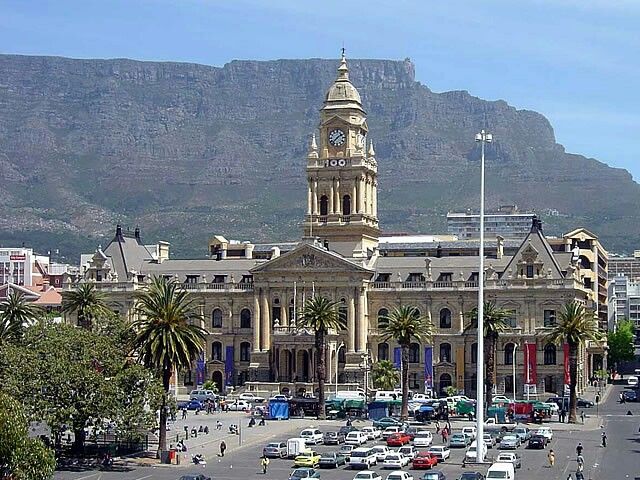
“Cape Town has been named the world’s most beautiful city in a global survey, highlighting its unique blend of natural landscapes, cultural vibrancy, and urban sophistication. The accolade is expected to attract more international visitors, reinforcing South Africa’s tourism industry as a cornerstone of economic growth.”
Cape Town, South Africa’s jewel city, has once again captured the world’s imagination. On June 30, 2026, a global survey ranked Cape Town as the world’s most beautiful city, placing it above iconic destinations such as Paris, Sydney, and Rio de Janeiro. This recognition comes at a pivotal time when South Africa is actively positioning itself as a global tourism hub, leveraging its diverse landscapes, cultural heritage, and hospitality sector.
Why Cape Town Stands Out
- Natural Beauty: The city is framed by Table Mountain, pristine beaches, and lush vineyards.
- Cultural Richness: Cape Town offers a vibrant mix of African, European, and Asian influences reflected in its food, music, and art.
- Urban Sophistication: Modern infrastructure, luxury hotels, and world-class restaurants make it a cosmopolitan destination.
This combination of natural and cultural assets makes Cape Town unique, appealing to both adventure seekers and luxury travelers.
Tourism Impact
The accolade is expected to boost international arrivals, particularly from Europe and North America. Already, Cape Town has reported a winter tourism boom, with millions embracing off-season travel. Hotels and resorts are experiencing higher occupancy rates, and local businesses are benefiting from increased foot traffic.
Economic Significance
Tourism contributes significantly to South Africa’s GDP, and Cape Town’s recognition will likely accelerate investment in:
- Hospitality infrastructure (new hotels, resorts, and lodges)
- Transport connectivity (expanded flight routes and improved public transit)
- Local businesses (restaurants, craft markets, and cultural tours)
The ripple effect extends beyond Cape Town, as travelers often combine visits to the Garden Route, Kruger National Park, and Johannesburg with their Cape Town experience.
Challenges and Opportunities
While the recognition is positive, it also presents challenges:
- Sustainability: Increased tourism could strain natural resources and ecosystems.
- Accessibility: Ensuring affordable travel options for domestic tourists remains critical.
- Safety and Security: Maintaining Cape Town’s reputation requires continued investment in public safety.
Opportunities lie in promoting eco-tourism, cultural tourism, and community-based tourism, ensuring that local communities benefit directly from the influx of visitors.
Voices from the Industry
Local tourism operators have hailed the recognition as a “game-changer.” Hotel managers report a surge in bookings, while tour guides highlight increased interest in cultural and adventure packages. The South African Tourism Board has pledged to capitalize on the accolade by launching new international marketing campaigns.
Global Comparisons
Cape Town’s victory over cities like Paris and Sydney underscores a shift in global tourism preferences. Travelers are increasingly seeking destinations that offer authentic experiences, natural beauty, and cultural diversity—all areas where Cape Town excels.
Conclusion
Cape Town’s recognition as the world’s most beautiful city is more than just a title; it is a catalyst for economic growth, cultural exchange, and national pride. As South Africa continues to emerge as a global tourism leader, Cape Town stands at the forefront, embodying the country’s promise of beauty, diversity, and hospitality.



