




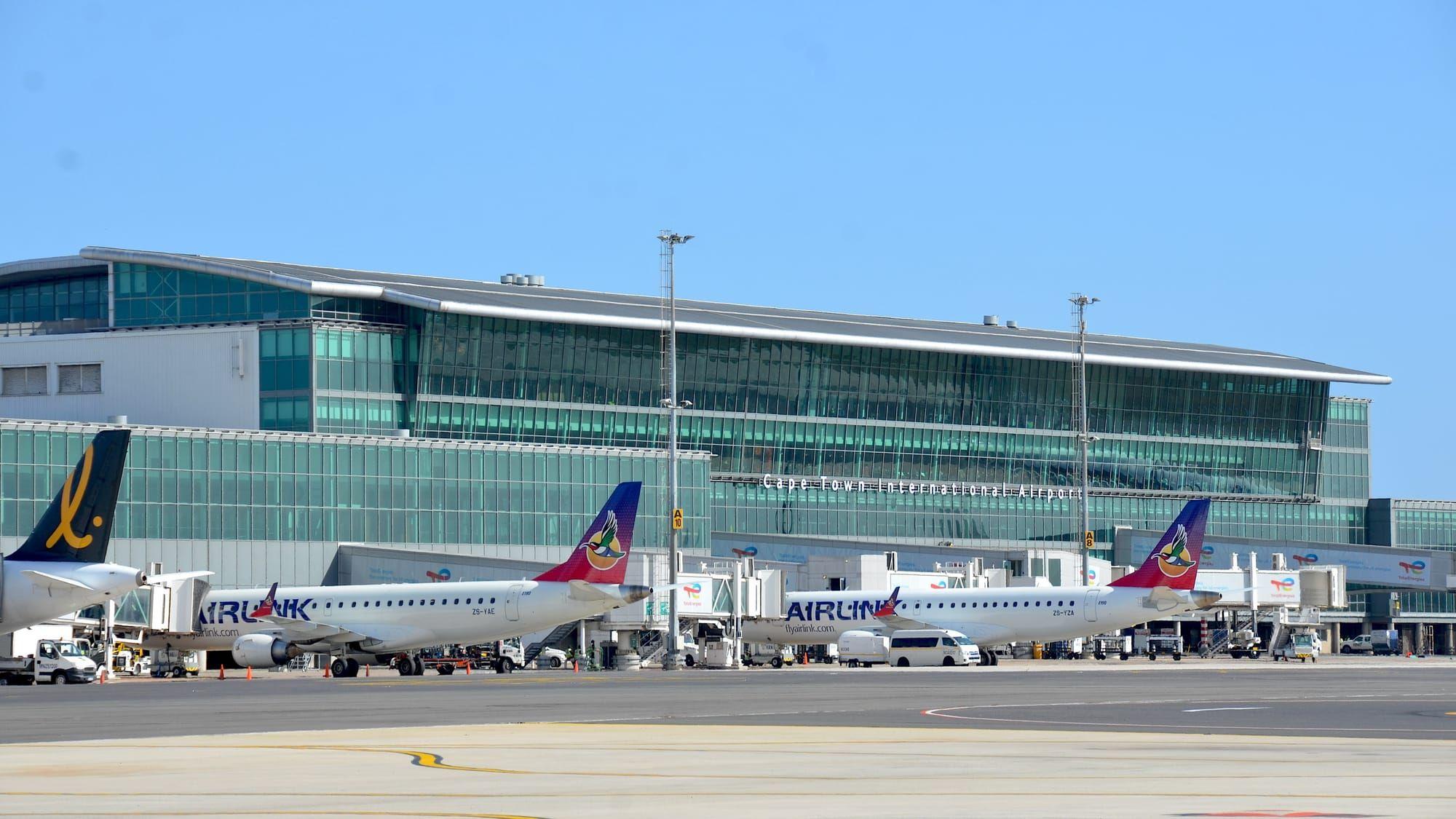
“Cape Town International Airport has been recognised as the Best Airport Supporting MICE at the 2026 Africa MICE Awards, as the airport prepares for a significant increase in international travel capacity during the 2026/27 peak season. The airport is expected to add about 250,000 two-way international seats, representing a 12% increase in international capacity, with 26 international airlines connecting Cape Town to 33 destinations across 38 routes.”
Cape Town strengthens its position as a global travel gateway
Cape Town International Airport is entering the 2026/27 peak travel season with stronger international connectivity, new direct routes and recognition for its contribution to business tourism. The airport has been named Best Airport Supporting MICE — Meetings, Incentives, Conferences and Exhibitions/Events — at the 2026 Africa MICE Awards, placing renewed attention on its role in South Africa’s tourism and transport sectors.
The award was presented in Mombasa, Kenya, on 2 October. Although the recognition focuses specifically on the MICE market, its significance extends beyond conference and business travellers. A strong airport network is fundamental to leisure tourism, business travel, international investment, trade and regional economic activity.
The timing of the recognition is particularly important because Cape Town is approaching what is expected to be one of its busiest peak travel periods. According to Airports Company South Africa (ACSA), the airport is expected to handle substantially more international capacity during the 2026/27 season, giving travellers additional choices when planning journeys to and from the Western Cape.
International capacity set to increase by 12%
One of the most important developments for travellers is the expected increase in international aviation capacity.
For the 2026/27 peak season, Cape Town International Airport is expected to receive approximately 250,000 additional two-way international seats. That represents a 12% increase in international capacity compared with the previous period.
The additional capacity will be supported by 26 international airlines, connecting Cape Town with 33 destinations across 38 routes. Around 255 international flights a week are expected to operate during the peak season.
For passengers, additional capacity can have several advantages. More flights may provide greater flexibility around departure dates and times, while direct routes can reduce the need for connecting flights through other international hubs.
This is particularly relevant to South Africa’s tourism industry. Cape Town is one of the country’s most important international visitor destinations, attracting travellers interested in beaches, mountains, wine tourism, cultural attractions, business events and nature-based experiences.
Greater air connectivity can therefore influence the entire visitor journey, from the initial flight booking to accommodation, local transportation, restaurants, attractions and tour operators.
New direct routes give travellers more choice
The growth in Cape Town’s aviation network is also being supported by new routes.
Airlink launched a direct Cape Town-Mauritius service on 2 October, creating a new nonstop connection between the Western Cape and the Indian Ocean island destination. A direct Cape Town-Zanzibar service followed on 3 October.
These services are significant because direct flights can make international travel easier for passengers who previously needed to connect through another South African airport or an overseas hub.
Mauritius and Zanzibar are both important leisure destinations, particularly for travellers looking for beach holidays, warm-weather escapes and resort experiences. At the same time, both destinations have commercial and business links with South Africa.
The expansion therefore illustrates how aviation connectivity can support several categories of travel simultaneously.
Cape Town has also welcomed the return of several seasonal international services. Edelweiss, Norse Atlantic, Condor and Air France are among the airlines returning to the city’s international network. Virgin Atlantic is scheduled to resume its Cape Town service from 14 October.
For international visitors, these returning services provide additional options during the Southern Hemisphere summer travel period.
Strong passenger growth provides the backdrop
The expansion in international flights follows strong passenger growth at Cape Town International Airport.
According to ACSA, the airport handled approximately 11.1 million two-way passengers during 2025, representing around 7% year-on-year growth.
That growth demonstrates the increasing importance of Cape Town as an aviation and tourism hub.
Passenger growth also creates challenges for airport operators. More travellers require sufficient check-in facilities, security processing, baggage handling, immigration services, aircraft stands, parking, ground transportation and terminal space.
Consequently, expanding airline connectivity must be accompanied by appropriate infrastructure and operational planning.
ACSA has already outlined major infrastructure investments for Cape Town International Airport. Earlier plans indicated that the airport would receive significant upgrades to its runway and terminal infrastructure as part of ACSA’s broader national investment programme.
The planned infrastructure improvements are intended to support future passenger demand while improving operational efficiency.
Why the MICE award matters for tourism
The Africa MICE Awards recognition is particularly significant because business events can generate substantial economic activity.
Meetings, conferences, exhibitions and incentive travel bring visitors who often require accommodation, transport, conference venues, restaurants and other services.
Unlike some forms of leisure travel, business events can also attract visitors during periods when ordinary tourism demand may be lower. This makes the MICE sector an important component of destination management.
Cape Town has developed a strong reputation as a conference and events destination, supported by its international airport, hotels, convention facilities and tourism attractions.
The airport’s recognition as the Best Airport Supporting MICE therefore reinforces the relationship between transport infrastructure and the broader visitor economy.
An international delegate arriving for a conference does not experience the airport in isolation. Their journey involves airport transfers, roads, hotels, conference venues and potentially domestic flights or other forms of transportation.
Consequently, efficient aviation infrastructure can influence the overall perception of a destination.
Transport connectivity affects the wider Western Cape economy
The impact of improved airport connectivity extends beyond Cape Town itself.
International visitors may travel from the airport into the Cape Winelands, Garden Route, Overberg and other parts of the Western Cape. More direct flights can therefore create opportunities for tourism businesses across the province.
Hotels, guesthouses, restaurants, tour operators, car-rental companies, transport providers and attractions can all benefit from increased visitor numbers.
The same principle applies to businesses involved in international trade and investment. Easier access to the region can make it more attractive for companies, investors and event organisers.
Malcolm Koopman, Acting Regional Manager at Cape Town International Airport, said increased connectivity strengthens Cape Town’s links with the world and supports tourism, trade, investment, businesses and employment in the Western Cape.
That connection between aviation and economic development is one of the reasons airport capacity has become an increasingly important part of South Africa’s transport strategy.
The passenger experience remains important
While expanding routes is positive for travellers, increased passenger numbers also place pressure on airport operations.
During peak periods, passengers can encounter longer queues at check-in, security, passport control and baggage collection. Airports must therefore balance growth with operational efficiency.
ACSA says its focus during the coming peak season will include safe operations and maintaining a positive passenger experience as passenger volumes increase.
For travellers, this means preparation remains important.
Passengers flying internationally should allow adequate time for check-in and security procedures, confirm airline requirements before departure and consider possible congestion during peak travel periods.
The growth in capacity is ultimately designed to give passengers greater choice, but the success of that growth depends on the airport’s ability to handle increased demand efficiently.
Competition among African travel destinations
Cape Town’s improving air connectivity comes at an important time for African tourism.
South Africa competes with destinations across the continent for international visitors, investment and major events. Improved direct air access can help destinations compete because travellers often consider convenience when selecting where to go.
Recent tourism discussions have highlighted concerns about limited direct connectivity to important markets such as India and slower recovery from some Asian markets.
Against that background, the expansion of Cape Town’s international network represents a positive development.
New routes do more than bring passengers directly into the city. They can strengthen the destination’s overall attractiveness by reducing travel complexity.
For international tourists, fewer connections can mean shorter journeys. For business travellers, direct access can make conferences and meetings more practical. For airlines, successful routes can create opportunities to expand frequency or introduce additional destinations.
Infrastructure will determine future growth
The airport’s increasing connectivity also reinforces the importance of infrastructure investment.
ACSA has previously outlined a major investment programme involving Cape Town International Airport, including a new realigned runway and domestic terminal improvements. The planned runway is designed to increase capacity and improve aircraft movement, while additional taxiway infrastructure is intended to support more efficient operations.
These projects are important because passenger growth and airline expansion cannot continue indefinitely without sufficient infrastructure.
Airport development is also a long-term undertaking. Runways, terminals and associated facilities require substantial planning, regulatory approvals and construction periods.
The challenge is therefore to expand capacity before congestion becomes a major constraint while ensuring that construction itself does not unnecessarily disrupt travellers.
What the development means for travellers
For people planning trips to Cape Town, the current aviation expansion is encouraging.
Travellers can expect more international flight options during the 2026/27 peak season, including new and returning services. The additional capacity may make it easier to compare schedules and find routes that better match individual travel plans.
The introduction of direct services to Mauritius and Zanzibar is particularly significant for regional leisure travel, while returning European services increase access between Cape Town and major international markets.
At the same time, travellers should remember that flight schedules can change. Airlines may adjust frequencies according to seasonal demand, operational requirements and commercial considerations.
Checking the latest airline schedule before booking remains essential.
Cape Town’s transport future looks increasingly connected
The latest developments show how closely transport and tourism are linked.
Cape Town International Airport’s MICE award comes alongside a substantial expansion of international capacity, new direct routes, returning seasonal services and continued passenger growth. Together, these developments strengthen the airport’s position as a major gateway for South Africa and the wider African travel market.
The immediate focus will be on managing the expected increase in passengers during the 2026/27 peak season. Longer term, infrastructure investment will be crucial to ensuring that the airport can continue to accommodate growth.
For Cape Town, the benefits extend beyond aviation. Better connectivity can support tourism, conferences, trade, investment, hospitality and employment across the Western Cape.
The latest recognition therefore represents more than an airport award. It is an indication of the increasingly important role that transport infrastructure plays in connecting South Africa with international travellers and businesses.
As new routes take off and international capacity increases, Cape Town is strengthening its position as one of Africa’s most important gateways for both leisure and business travel.



