




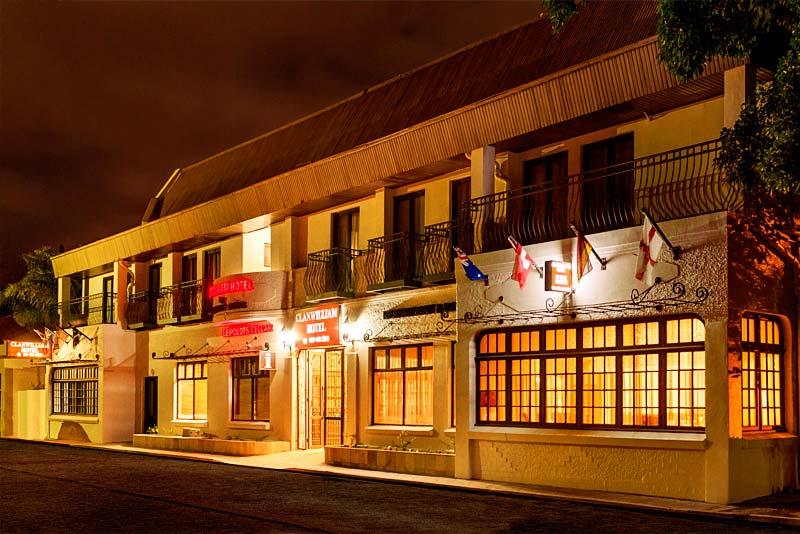
“Ipic Properties has expanded into South Africa’s hospitality industry through the acquisition of Country Hotels, a group comprising 16 hotels and lodges with 638 rooms across the Western and Northern Cape. The transaction gives Ipic an established hospitality platform while Country Hotels will retain its name, management and staff, with Craig Carmichael appointed as chief executive officer.”
South Africa’s hospitality sector has received a significant investment boost following Ipic Properties’ acquisition of Country Hotels, a hospitality group operating 16 hotels and lodges across the Western and Northern Cape. The transaction represents an important strategic move for Ipic, which has historically built its property investment business around retail assets in the Western Cape. By entering the hotel and lodge market, the company is gaining an established hospitality platform with 638 rooms and an operating presence in several regional tourism destinations.
The acquisition was reported on 5 October 2026 and is among the latest major developments affecting South Africa’s hospitality and tourism landscape. Rather than building a hotel portfolio from scratch, Ipic is taking over an existing hospitality operation with established properties, employees, management expertise and relationships in the communities where the hotels operate. This approach could allow the investor to concentrate on improving guest experiences, strengthening operations and identifying future growth opportunities.
Country Hotels’ portfolio stretches across parts of the Western and Northern Cape. Its properties include the Clanwilliam Hotel, Calvinia Hotel and Tankwa Lodge, Springbok Inn, Namastat Lodge and Orange River Rafting Lodge in Vioolsdrif. Other properties are located in Pofadder, Kakamas, Upington, Kathu, Kuruman and Postmasburg. Together, these properties provide 638 rooms and give the new ownership group exposure to a wide range of regional tourism and business-travel markets.
The geographical spread is particularly significant because the acquisition takes Ipic beyond its traditional Western Cape investment footprint. Country Hotels gives the company an immediate presence in the Northern Cape, a province where tourism is closely linked to landscapes, heritage, adventure travel, mining communities and cross-country road travel.
For hospitality investors, regional destinations can provide opportunities that differ from those available in major metropolitan markets such as Cape Town and Johannesburg. Hotels in smaller towns can serve tourists travelling between destinations, business travellers, mining and industrial workers, government visitors, events and domestic holidaymakers. Consequently, the acquisition provides Ipic with exposure to a diversified range of accommodation demand.
Country Hotels was founded in 2011 and has developed its portfolio over more than a decade. Importantly, the acquisition does not appear to involve an immediate rebranding exercise. Country Hotels will retain its existing name, management structure and employees. This continuity is expected to provide stability for guests, employees and local communities while the business moves into its next phase under Ipic ownership.
Craig Carmichael, who has worked in the hospitality industry since 1995 and served as Country Hotels’ chief operating officer since 2021, has been appointed CEO. His continued involvement gives the business an experienced hospitality executive who already understands the properties, employees, customers and regional markets.
The decision to maintain the existing management and staff could also reduce disruption. Hotel acquisitions can create uncertainty for employees and customers when ownership changes lead to immediate restructuring. In this case, continuity provides the operating team with an opportunity to concentrate on improving the business while maintaining established service standards.
The strategy also appears focused on guest experience. Carmichael said the priority would be to strengthen the foundation already created by Country Hotels, invest in the guest experience and maintain consistently high standards across the portfolio.
This emphasis is important because competition in South Africa’s accommodation sector is increasingly influenced by more than room availability. Travellers are paying attention to service, cleanliness, food and beverage offerings, digital convenience, location, value for money and the overall experience provided by a property.
For regional hotels, guest experience can be especially important because visitors often use accommodation as part of a wider travel journey. A hotel can become an important component of a road-trip itinerary, safari route, adventure experience or business trip. Maintaining consistent standards across multiple destinations can therefore help a hospitality group build customer loyalty and strengthen its reputation.
The transaction also highlights how property investors are increasingly looking beyond conventional real estate assets. Ipic has spent more than two decades building a portfolio primarily focused on Western Cape retail property. The company was founded by Rian Maartens in 2004 and has established a portfolio of retail properties covering more than 65,000 square metres.
Hospitality, however, operates differently from traditional retail property. A shopping centre can generate income primarily through leases with retailers, while hotels combine real estate ownership with an active operating business. Hotel performance is influenced by occupancy, room rates, food and beverage revenue, staffing, maintenance, tourism flows, business travel and customer satisfaction.
The acquisition therefore gives Ipic exposure to a property sector with a different revenue and operating model. At the same time, it provides the company with an established management team rather than requiring it to develop hospitality expertise entirely internally.
The deal comes at an interesting period for South Africa’s broader tourism economy. The Department of Tourism has been actively promoting tourism investment, including through the South African Tourism Investment Summit, where projects worth billions of rand were presented to investors. The government has identified tourism infrastructure and accommodation as important contributors to economic growth, employment and investment.
At the October 2026 tourism investment summit, South Africa presented 15 tourism projects valued at approximately R3.5 billion, including accommodation developments, tourist attractions, heritage projects and tourism infrastructure. The investment pipeline demonstrates that the country is seeking to expand tourism capacity while attracting private capital into the sector.
Against this backdrop, Ipic’s entry into hospitality is notable. The acquisition demonstrates that private investors are willing to deploy capital into accommodation assets beyond the country’s largest tourism centres.
The Northern Cape component is particularly interesting. Towns such as Springbok, Upington, Kuruman and Kathu occupy strategic positions within regional travel and economic networks. Hotels in these locations can benefit from a combination of tourism, business travel and local economic activity.
Upington, for example, serves as an important gateway to the Northern Cape and the Kalahari region. Springbok is a significant centre in Namaqualand and is connected to tourism routes toward Namibia and the Richtersveld. Kuruman and Kathu have strong links to regional business activity. Properties operating in these markets can therefore have demand drivers that extend beyond conventional leisure tourism.
The Western Cape properties provide another dimension. Destinations such as Clanwilliam and Calvinia attract visitors interested in scenery, heritage, nature and road-trip experiences. This means the portfolio is not dependent on a single tourism segment.
The acquisition also has implications for employment. Hotels and lodges support direct jobs in accommodation, housekeeping, food and beverage, administration, maintenance and management. They also contribute indirectly to local economies through suppliers, transport providers, restaurants, tourism operators and other businesses.
Ipic has indicated that it intends to continue Country Hotels’ existing community and charitable initiatives in the areas where the group operates. This is significant because hospitality businesses in smaller communities can have an economic role that extends well beyond the hotel itself.
The transaction could also create opportunities for future refurbishment and expansion. While the financial terms of the acquisition have not been disclosed, the new owner has indicated an intention to strengthen the existing foundation and invest in the guest experience.
Future investment could potentially include room upgrades, technology improvements, food and beverage facilities, conferencing infrastructure, sustainability initiatives and improvements to public spaces. However, specific capital expenditure plans have not been announced, so these remain potential opportunities rather than confirmed projects.
Another important question will be whether Country Hotels becomes the foundation for further hospitality acquisitions by Ipic. The company’s move into the sector provides an established platform from which additional investments could potentially be considered.
For now, however, the emphasis appears to be on integrating the new hospitality business while preserving its existing strengths. Maintaining the Country Hotels brand and leadership team allows Ipic to enter the market without immediately disrupting the identity that has been developed over the past 15 years.
For South Africa’s travel industry, the deal represents a positive signal about investor confidence in hospitality. Accommodation businesses are essential to the tourism value chain, providing the infrastructure required for domestic and international travellers to stay in destinations across the country.
The acquisition also illustrates how South Africa’s hospitality industry is becoming increasingly diverse. Investment is no longer concentrated solely on large luxury hotels in Cape Town, Johannesburg or Durban. Regional hotels, lodges and community-focused properties are also attracting attention from investors seeking long-term opportunities.
Ultimately, Ipic Properties’ acquisition of Country Hotels represents more than the purchase of 16 accommodation properties. It marks the beginning of a new chapter for an established hospitality group and a strategic expansion for a property investor moving beyond its traditional retail focus.
With 638 rooms, operations across two provinces, an established management team and a commitment to maintaining the Country Hotels brand, Ipic now has an immediate presence in South Africa’s hospitality market. The next stage will be determining how effectively the new ownership can improve guest experiences, strengthen operational performance and unlock the potential of properties serving both tourists and regional business markets.
For travellers, employees, local communities and the broader tourism economy, the acquisition will therefore be worth watching. If Ipic follows through on its intention to invest in guest experience while maintaining operational continuity, the transaction could become an important example of how private investment can support the long-term development of South Africa’s regional hospitality sector.



