




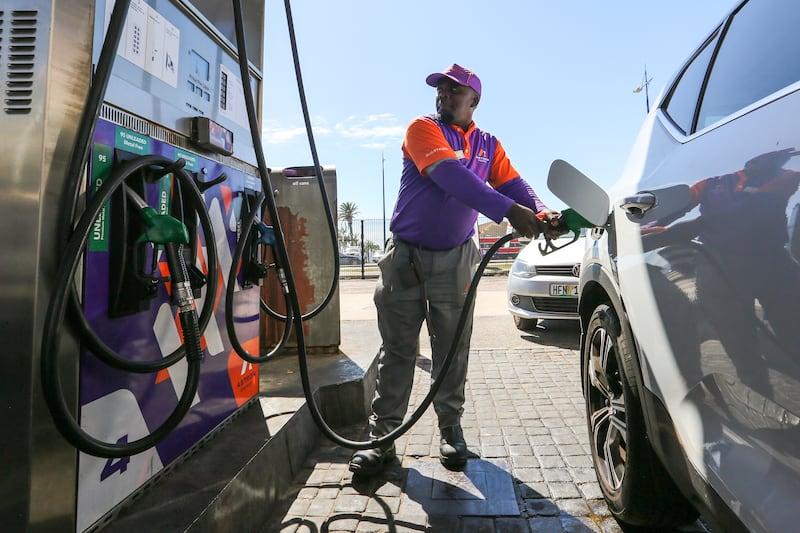
“South African motorists are facing the country’s sharpest fuel-price increase of 2026, with petrol prices rising by more than R3 a litre and diesel increasing by as much as R3.24 from 7 October. The increase is likely to have a direct effect on budget travel, raising the cost of road trips, airport transfers, car rentals, tours and other transport-dependent holidays.”
The fuel shock arrives as South Africa’s tourism sector is showing strong demand. The country recorded 1,005,286 international tourists in August 2026, up 7.4% from August 2025, while arrivals for January to August reached 7.58 million, an 11.7% increase year on year. That growth creates an important contrast: more people want to travel, but one of the basic costs of moving around the country is becoming substantially more expensive.
For budget travellers, the immediate issue is not simply the price displayed at a petrol station. Fuel affects almost every part of a road-based holiday. A family driving from Johannesburg to Durban, a couple exploring the Garden Route, a backpacker hiring a small car in Cape Town, or a traveller taking a shuttle between towns can all feel the increase through higher transport costs.
The latest increase was announced by the Department of Mineral and Petroleum Resources after international oil prices climbed sharply. The government said the adjustment reflected higher crude-oil prices, international petroleum-product prices and other local and global factors. Reuters reported that the petrol pump price would rise by as much as R3.33 a litre, while wholesale diesel would increase by up to R3.24 a litre. The increases are linked partly to disruption and uncertainty surrounding the Iran conflict and oil flows through the Strait of Hormuz.
For travellers trying to keep costs low, this changes the mathematics of a trip. Consider a vehicle with a 50-litre tank. A R3.33 increase per litre represents about R166.50 more for a full tank compared with the previous price, before considering other changes in fuel consumption or route length. A longer holiday involving several refills could therefore add hundreds of rand to the transport budget.
The impact can be even greater for travellers using larger vehicles, caravans, minibuses or diesel-powered transport. A family travelling with luggage may choose an SUV for comfort, but higher fuel prices make smaller, fuel-efficient vehicles more attractive. Similarly, travellers who previously considered a long road trip because accommodation was affordable may now have to compare the total cost of driving against flying or using intercity buses.
This is where budget travel is likely to become more strategic rather than disappearing altogether. South Africa remains a destination with many experiences that can be enjoyed without expensive entrance fees. Beaches, public markets, hiking areas, scenic drives and cultural districts can provide value when travellers control transport and accommodation costs carefully.
Domestic tourism may also become more important. Earlier in 2026, travel survey findings from Cape Town Tourism showed that South Africans were still travelling despite economic uncertainty, with a strong preference for domestic trips. One survey reported that 94% of respondents planning April travel intended to remain within South Africa. That preference suggests that rising transport costs may encourage travellers to choose destinations closer to home rather than abandon travel completely.
For budget-conscious visitors, the most practical response is to reduce unnecessary kilometres. Instead of attempting to cover several provinces in one holiday, travellers can select one region and explore it more deeply. A shorter route can reduce fuel expenditure while also creating more time at the destination. Weekend breaks within driving distance may therefore become more attractive than ambitious cross-country itineraries.
Accommodation choices can also help offset transport inflation. Travellers can compare guesthouses, hostels, self-catering apartments, campsites and budget hotels instead of automatically selecting conventional hotels. Saving on accommodation can create room for a higher fuel bill without increasing the overall holiday budget.
Car-rental customers should pay particular attention to fuel policies. A low daily rental rate may look attractive, but a vehicle with poor fuel economy can become expensive over several days. Travellers should compare the full package rather than focusing only on the advertised rental price.
Air travel presents a more complicated alternative. Higher fuel costs can eventually influence airlines, ground transport providers and other tourism businesses. Yet flying may still make sense for long distances when the traveller values time and can find a competitive fare. The cheapest option depends on the entire journey, including transport to and from airports.
The fuel increase also matters to the wider tourism economy. Tour operators, shuttle companies, safari operators, rental businesses and accommodation providers rely on transport either directly or indirectly. Higher operating costs can eventually feed into tour prices, transfers and package holidays. Businesses serving price-sensitive customers may therefore need to redesign itineraries, consolidate transfers or offer shorter excursions.
South Africa’s tourism growth makes this issue especially significant. Government figures show that international arrivals are rising, but Business Day reported that South Africa still faces challenges in attracting higher-spending overseas visitors compared with competitors such as Morocco and Tunisia. A destination trying to become more competitive cannot ignore the affordability of getting around once visitors arrive.
Budget travellers can respond by booking strategically. Travelling during quieter periods, staying longer in one location and choosing accommodation with kitchens can reduce overall expenses. Planning activities geographically also helps. Instead of driving across a city several times each day, travellers can group attractions in the same area and use walking, public transport or short taxi trips where practical.
For families, the calculation is different because four or five people can share the cost of one vehicle. For solo travellers, buses, trains where practical, shared transfers and organised tours may provide better value. The best budget strategy therefore depends on group size, distance, vehicle efficiency and the number of planned activities.
The latest fuel increase is also a reminder that a realistic travel budget should include a contingency fund. A trip planned down to the last rand becomes vulnerable when fuel, food or exchange-rate costs change unexpectedly. Setting aside extra money for transport can prevent a fuel-price shock from forcing travellers to cancel activities or cut their holiday short.
Despite the pressure, the outlook for South African travel remains active. Tourism authorities say international arrivals are growing, while domestic travellers continue to seek value within the country. The challenge is that affordability now requires more planning. The era of choosing a destination first and calculating transport later is becoming less practical for cost-conscious travellers.
For budget travel in South Africa, the key lesson from the October fuel increase is simple: distance now deserves the same attention as accommodation and attractions. Travellers can still enjoy beaches, mountains, wildlife, culture and cities without spending excessively, but they need to make every kilometre count.
That shift will shape South Africa’s budget travel market ahead.
For consumers planning a trip in the coming weeks, the most sensible approach is to price the entire journey before booking. Add fuel, tolls, parking, vehicle hire, accommodation, meals and activities together. Compare that figure with alternative transport and destinations. With careful planning, budget travel remains possible—but in October 2026, the cost of getting there matters more than ever.



