




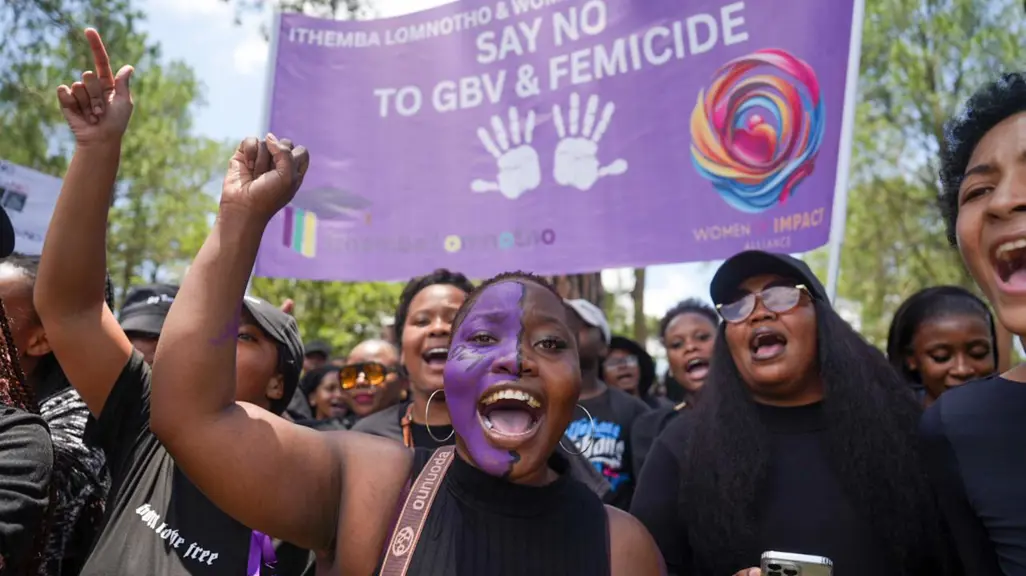
“Civil society organizations in South Africa have issued an open letter to key government ministries, urging an immediate halt to mass arrests of foreign nationals, warning that the crackdown undermines children’s rights and migrant dignity. The letter comes as tensions rise ahead of nationwide anti-immigration protests planned for June 30, sparking fears of violence and human rights violations.”
South Africa is once again at the crossroads of activism and politics as civil society organizations raise alarm over the government’s handling of immigration enforcement. On June 28, 2026, a coalition of rights groups issued an open letter to the Ministers of Justice and Constitutional Development, International Relations and Cooperation, Home Affairs, and Police, demanding an immediate halt to mass arrests of foreign nationals. The letter highlights the plight of migrant families, particularly children, and frames the arrests as a violation of constitutional and international human rights obligations.
Background
The controversy stems from a series of mass arrests conducted in urban centers across South Africa in recent weeks. Authorities have justified the operations as part of a broader crackdown on undocumented migration, citing security concerns and economic pressures. However, activists argue that the arrests are indiscriminate, sweeping up legal migrants alongside undocumented individuals, and creating a climate of fear among immigrant communities.
President Cyril Ramaphosa recently warned anti-immigrant groups against escalating tensions ahead of the June 30 “deadline” set by some activist movements calling for mass deportations. Civil society’s intervention underscores the urgency of the matter, as protests are expected to draw large crowds and potentially spark violent clashes.
Civil Society’s Demands
The open letter makes several key demands:
- Immediate suspension of mass arrests of foreign nationals.
- Protection of children’s rights, ensuring that minors are not separated from their families.
- Respect for migrant dignity, in line with South Africa’s constitutional values.
- Dialogue with civil society organizations to develop humane immigration policies.
Activists emphasize that South Africa, as a signatory to international conventions on refugees and human rights, has a legal and moral obligation to uphold these standards.
Political Context
Immigration has become a flashpoint in South African politics. Rising unemployment, strained public services, and perceptions of competition for resources have fueled anti-immigrant sentiment. Political parties such as the Economic Freedom Fighters (EFF) and the MK Party have leveraged the issue to mobilize support, often framing migrants as scapegoats for systemic failures.
The ruling African National Congress (ANC) faces pressure to balance enforcement with rights protection. ANC Secretary General Fikile Mbalula recently accused opposition parties of exploiting immigration for political gain, highlighting the deep divisions within the political landscape.
Activism on the Ground
Grassroots organizations have mobilized rapidly in response to the arrests. Religious groups, community leaders, and NGOs have joined forces to oppose the government’s approach. In KwaZulu-Natal, the Community Policing Forum announced plans to deploy over 9,000 volunteers to act as marshals during upcoming marches, aiming to prevent violence and protect vulnerable groups.
Protests are expected to intensify in the coming days, with activists warning that failure to address their concerns could lead to widespread unrest.
Human Rights Concerns
The open letter highlights several human rights concerns:
- Children’s welfare: Reports indicate that minors have been detained alongside adults, raising fears of trauma and long-term psychological harm.
- Legal migrants targeted: Even individuals with valid documentation have reportedly been caught in raids, undermining trust in government institutions.
- Community destabilization: Mass arrests disrupt families and communities, eroding social cohesion.
International observers, including the United Nations High Commissioner for Refugees (UNHCR), have expressed concern over South Africa’s handling of the situation, urging adherence to international standards.
Government Response
The government has defended its actions, arguing that immigration enforcement is necessary to maintain stability. The South African Police Service (SAPS) announced a R600 million security plan ahead of the June 30 protests, partnering with private security firms to ensure order. Officials insist that operations are targeted at undocumented migrants and criminal networks, not legal residents.
However, critics argue that the heavy-handed approach risks inflaming tensions rather than resolving them.
Broader Implications
The activism surrounding migrant arrests reflects broader challenges facing South Africa:
- Balancing security and rights: The government must navigate the tension between enforcing immigration laws and protecting human rights.
- Political polarization: Immigration has become a wedge issue, deepening divisions between parties and communities.
- Civil society’s role: Activism continues to play a critical role in holding government accountable and shaping public discourse.
Conclusion
As South Africa braces for nationwide protests on June 30, the open letter from civil society stands as a powerful reminder of the country’s constitutional commitments. The coming days will test the government’s ability to balance enforcement with compassion, and activists’ capacity to mobilize peacefully in defense of migrant rights. The outcome will shape not only immigration policy but also the broader trajectory of South African democracy.



