




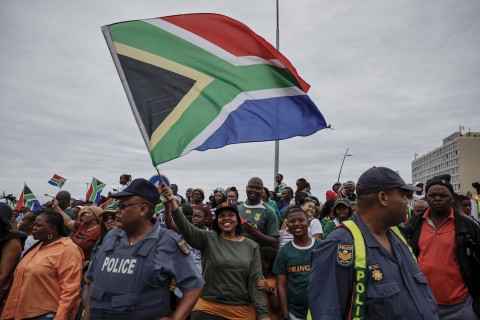
“South Africans are sharply divided as the June 30 deadline for undocumented migrants looms, with buses carrying nervous foreigners out of Johannesburg while others vow to stay. Civil society voices warn of xenophobic violence reminiscent of 2021, while government insists it is prepared to prevent unrest.”
Rising Tensions Across the Country
Public opinion in South Africa has reached a boiling point as the self-imposed June 30 deadline for undocumented migrants approaches. Campaign organizers, who have long demanded stricter enforcement of immigration laws, claim that the government has failed to act decisively. In response, many foreign nationals have begun leaving urban centers, boarding buses bound for neighboring countries. Yet, others remain defiant, insisting they have the right to stay and work in South Africa.
Historical Context
The anxiety surrounding this deadline is rooted in the violent xenophobic riots of July 2021, when widespread attacks on foreign nationals left dozens dead and communities fractured. The government’s promise that “this time will be different” has done little to calm fears. Citizens recall the chaos of looting, arson, and vigilante violence, and many worry that history could repeat itself.
Government’s Position
President Cyril Ramaphosa’s administration has emphasized that security forces are on high alert. Parliament has even directed staff to work remotely ahead of planned protests, signaling the seriousness of the situation. Officials insist that law enforcement agencies are prepared to prevent violence and protect both citizens and migrants. However, critics argue that the government’s track record on policing xenophobic unrest is weak, pointing to systemic failures in 2021.
Civil Society and Public Opinion
Civil society organizations have taken a strong stance against xenophobia. Groups such as AfriForum and coalitions of human rights activists have condemned vigilante campaigns, urging South Africans to resist the “icy wind of hate.” Opinion writers in major outlets stress that ordinary citizens must fill the vacuum left by state failures, advocating for solidarity and accountability. This reflects a growing sentiment among South Africans that the government alone cannot safeguard democracy and social cohesion.
Voices of Migrants
For migrants themselves, the situation is dire. Many describe feeling trapped between hostile communities and uncertain futures. Some have chosen to leave voluntarily, fearing violence, while others argue that they have built lives in South Africa and cannot simply uproot. Their testimonies highlight the human cost of political rhetoric and the fragility of social integration.
Political Implications
The migrant deadline has become a litmus test for South Africa’s political leadership. Opposition parties have seized on the issue to criticize Ramaphosa’s government, accusing it of weakness and indecision. Meanwhile, the ruling ANC faces internal divisions, with some members pushing for harsher measures and others warning against inflaming xenophobia. Public opinion polls suggest that immigration policy could play a decisive role in upcoming local elections, making this crisis not only a humanitarian issue but also a political battleground.
Economic Dimensions
Beyond politics, the migrant debate has economic consequences. Migrants contribute significantly to sectors such as construction, retail, and domestic work. Their departure could disrupt local economies, while their continued presence fuels arguments about job competition and strained public services. Analysts warn that scapegoating migrants for unemployment ignores deeper structural issues such as corruption, poor governance, and lack of investment in education.
Public Opinion Trends
Surveys and street interviews reveal a divided public. Some South Africans express sympathy for migrants, emphasizing shared struggles in a country plagued by inequality. Others, however, demand stricter enforcement, arguing that undocumented migrants undermine sovereignty and security. This polarization reflects broader anxieties about governance, economic stagnation, and social trust.
Looking Ahead
As June 30 approaches, the stakes are high. The government’s ability to manage protests, prevent violence, and reassure citizens will shape public confidence in its leadership. Civil society’s role in promoting tolerance and accountability will be equally critical. Ultimately, the migrant deadline has become more than an immigration issue—it is a test of South Africa’s democratic resilience and its capacity to balance security with human rights.



