




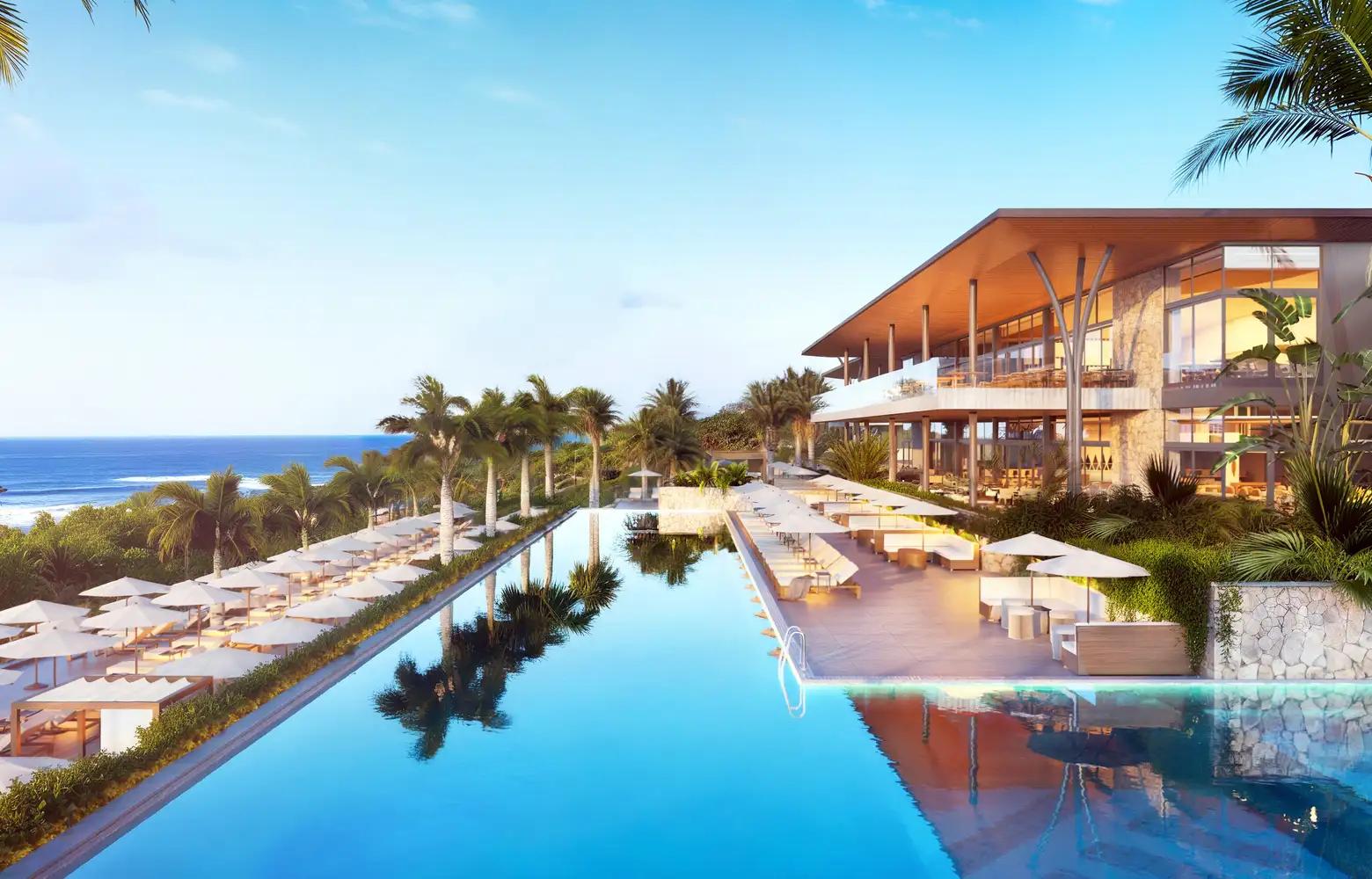
“Club Med South Africa Beach & Safari is bringing together a premium Indian Ocean beach holiday at Tinley Manor and a Big Five safari at Vikela Safari Lodge in northern KwaZulu-Natal, introducing the international hospitality group’s first South African resort and a new Beach & Safari concept. The development, valued at more than R2 billion, highlights the potential for luxury tourism investment to attract international visitors, strengthen regional tourism and create employment and business opportunities in surrounding communities.”
Club Med’s Beach & Safari Resort Signals a New Chapter for South Africa’s Luxury Travel Industry
A landmark development for luxury tourism
South Africa’s luxury travel industry is entering a new phase as international hospitality brands increasingly look for ways to combine distinctive African experiences with premium accommodation, personalized service and convenient holiday planning. One of the most significant recent developments is the opening of Club Med South Africa Beach & Safari in KwaZulu-Natal, a resort concept designed to bring together an Indian Ocean beach holiday and an immersive Big Five safari.
The resort represents a major investment in the country’s hospitality sector and introduces a new way for international visitors to experience two of South Africa’s most recognised tourism attractions. Rather than organising separate holidays through different operators, guests can book a combined beach and safari experience through one international hospitality brand.
According to Club Med and its South African partners, the development represents an investment exceeding R2 billion. The project combines international hospitality expertise with South African ownership and local partnerships, positioning KwaZulu-Natal as an increasingly important destination for premium leisure travel.
The resort welcomed its first guests in July 2026, while its global inauguration took place in September. A report published by TimesLIVE on 10 October explored the resort’s atmosphere and distinctive approach to combining international resort entertainment with South African food, traditions and hospitality.
Two destinations, one holiday concept
The defining feature of Club Med South Africa Beach & Safari is its dual-destination approach. The beach resort is situated at Tinley Manor on KwaZulu-Natal’s north coast, while the safari experience takes place at Vikela Safari Lodge in a private wildlife reserve in northern KwaZulu-Natal.
The coastal property occupies an approximately 32-hectare oceanfront site and is located around 30 minutes from King Shaka International Airport, according to the company’s launch information. This proximity to an international airport is important because it can make the destination more accessible to overseas travellers and visitors connecting through other South African cities.
At the beach resort, guests can enjoy swimming pools, restaurants, family facilities, adults-only spaces and a range of land and water activities. The offering includes surfing, sailing, stand-up paddleboarding, padel, yoga and Club Med’s signature flying trapeze activity.
The safari component introduces a different atmosphere. Vikela Safari Lodge offers luxury tented accommodation and guided wildlife experiences within an approximately 18,000-hectare private reserve. Guests can experience South Africa’s wildlife heritage while enjoying the comforts and services associated with a premium hospitality operation.
The two locations are separate destinations rather than a single property. Consequently, travellers should consider transfer arrangements, travel time and the number of nights required at each location when planning a combined stay.
This distinction matters because the appeal of a beach-and-safari holiday depends on how smoothly the different experiences fit together. A well-planned itinerary can allow guests to alternate between coastal relaxation, outdoor activities, wildlife observation and time to enjoy the surrounding landscapes.
Redefining luxury for international visitors
Luxury travel is no longer defined exclusively by expensive accommodation, elaborate interiors or formal service. Many affluent travellers increasingly seek distinctive experiences, convenience, personalisation and opportunities to connect with local culture.
Club Med’s model responds to these expectations through a premium all-inclusive approach. Instead of arranging every meal and activity independently, guests can access a coordinated selection of hospitality services and recreational experiences.
At the coastal resort, the combination of swimming, beach activities, restaurants and entertainment is designed to appeal to families, couples and groups. The safari experience, meanwhile, offers a more nature-focused setting, with guided game drives and opportunities to appreciate wildlife.
The combination broadens the potential audience for South African luxury travel. Visitors who initially consider a beach holiday may be encouraged to add a safari, while travellers interested in wildlife can extend their stay with a coastal retreat.
For international visitors with limited holiday time, this arrangement could simplify planning. However, the value of an all-inclusive package will depend on its final price, inclusions, transfer costs and the personal preferences of each traveller.
The resort also brings an international entertainment style into a South African setting. As the TimesLIVE report describes, Club Med’s established traditions, including themed parties and social activities, meet local food, cultural references and the atmosphere of KwaZulu-Natal’s coastline.
The result is a tourism proposition that seeks to balance familiar international standards with a recognisably South African experience.
Investment and economic opportunities
The project’s significance extends beyond the guest experience. An investment exceeding R2 billion represents a substantial commitment to developing tourism infrastructure and establishing a long-term hospitality operation.
The resort is owned and developed by South African company Tinley Leisure and operated by Club Med. This partnership brings together domestic investment and an international hospitality brand with an established global distribution network.
The arrangement could help introduce KwaZulu-Natal to travellers who might otherwise prioritise better-known safari destinations or coastal resorts elsewhere in the country.
International hospitality companies can also support destination marketing by incorporating properties into their global sales channels, travel-agent relationships and holiday packages. Nevertheless, the eventual effect on visitor numbers will depend on pricing, air access, marketing performance and the quality of the guest experience.
Employment is another important consideration. Resort operations require staff across accommodation, food and beverage services, maintenance, recreation, transport, administration and guest relations. Safari operations also depend on trained guides and personnel who help deliver wildlife experiences.
The project’s developers and tourism representatives have highlighted the importance of local employment and community benefits. The long-term scale of these benefits, however, should be assessed through measurable information on jobs created, local procurement, skills development and opportunities for surrounding businesses.
Smaller suppliers may benefit from providing food, transport, maintenance, cultural activities and other services. If these relationships are developed transparently, the resort could help distribute tourism spending beyond the property itself.
Putting KwaZulu-Natal on the luxury travel map
KwaZulu-Natal offers a combination of coastline, wildlife, cultural heritage and outdoor recreation that can support varied holiday itineraries. Yet competing internationally for affluent travellers requires more than attractive scenery. Destinations must offer reliable services, convenient transport, clear booking information and experiences that justify their prices.
The Beach & Safari concept gives the province a distinctive product to promote. Visitors can experience the Indian Ocean and a private wildlife reserve within the same holiday programme, potentially encouraging longer stays than a beach-only visit.
The development could also encourage travellers to explore other attractions in the province before or after their resort stay. Such opportunities depend on cooperation between accommodation providers, tour operators, transport companies and local tourism organisations.
For South Africa more broadly, the resort adds another premium product to a tourism portfolio that includes Cape Town, the Winelands, established safari destinations and coastal retreats. A broader range of luxury experiences can help travel advisers build itineraries around different interests and budgets.
However, success will not be automatic. Tourism businesses must compete with destinations across Africa and the Indian Ocean, many of which also offer luxury accommodation, wildlife experiences and all-inclusive holidays.
The resort’s long-term performance will therefore depend on maintaining service standards, attracting repeat visitors and communicating a clear reason to choose KwaZulu-Natal over competing destinations.
Culture, cuisine and the guest experience
A successful luxury resort must deliver more than facilities. Food, service, activities and cultural authenticity influence how guests remember their stay and whether they recommend the destination to others.
Club Med’s South African offering has an opportunity to showcase local ingredients, regional flavours and the hospitality traditions of KwaZulu-Natal. These elements can make the holiday feel connected to its destination rather than interchangeable with an international resort elsewhere.
Local experiences can also create opportunities for chefs, performers, guides and small businesses to participate in the tourism economy. To achieve meaningful results, these opportunities need to be supported by fair commercial arrangements and sustained engagement with communities.
At the same time, international visitors may value the familiarity of Club Med’s service model, organised activities and social atmosphere. Combining those expectations with local identity could help distinguish the resort in a competitive luxury market.
Sustainability and responsible tourism
Luxury tourism increasingly faces questions about environmental responsibility. Coastal development must consider water use, waste management, energy consumption and the protection of sensitive habitats. Safari operations must also manage their relationship with wildlife and surrounding ecosystems.
For a combined beach and safari destination, these responsibilities apply to two different environments. Coastal operations need to manage their environmental footprint, while wildlife tourism must prioritise appropriate animal viewing, conservation standards and the protection of natural landscapes.
The resort’s long-term contribution should therefore be evaluated not only through visitor numbers and revenue, but also through transparent environmental practices and demonstrable benefits for local communities.
Travellers can contribute by respecting wildlife guidance, choosing responsible excursions and learning about the communities and ecosystems they visit. Operators, in turn, need to provide clear information about their policies and results rather than relying solely on broad sustainability claims.
What travellers should consider before booking
Travellers interested in Club Med South Africa Beach & Safari should compare the full cost of a combined stay with the cost of arranging a beach holiday and safari separately.
Important considerations include the length of the holiday, accommodation categories, included meals and activities, airport transfers, transport between the two destinations and any additional excursions. Families should also check age-specific activities and supervision arrangements, while couples may wish to compare quieter accommodation options and adults-only facilities.
Safari expectations deserve particular attention. Wildlife sightings occur in natural environments and cannot be guaranteed. Guests should ask about the schedule of game drives, guide arrangements, vehicle capacity and the nature of the available wildlife experiences.
Travellers should confirm the latest booking terms and availability directly with the resort or an authorised travel adviser before making non-refundable arrangements.
The outlook for South African luxury tourism
Club Med’s entry into South Africa illustrates how investment, international distribution and distinctive destination combinations can strengthen the country’s luxury travel offering. The Beach & Safari model creates a new way to package coastal relaxation and wildlife experiences, while placing KwaZulu-Natal in front of a global hospitality audience.
The development’s lasting value will depend on more than its opening and initial publicity. Consistent service, competitive packages, environmental responsibility, local employment and measurable community benefits will be important indicators of success.
For travellers, the resort offers an additional option for experiencing South Africa through a coordinated premium holiday. For the tourism industry, it provides an opportunity to demonstrate how international hospitality partnerships can support destination development while retaining a strong connection to local places and people.
As the property builds its presence in the market, its performance may offer useful lessons for other tourism businesses seeking to combine high-quality accommodation with authentic experiences. South Africa already has internationally recognised wildlife, landscapes and cultural attractions. Turning those strengths into lasting economic benefits requires investment that supports not only visitors, but also workers, suppliers and communities.
The opening of Club Med South Africa Beach & Safari is therefore an important development in the country’s luxury tourism story. Its ultimate significance will be measured by how effectively it converts international interest into sustainable travel demand, stronger local participation and a memorable experience of South Africa’s coast and wilderness.



