




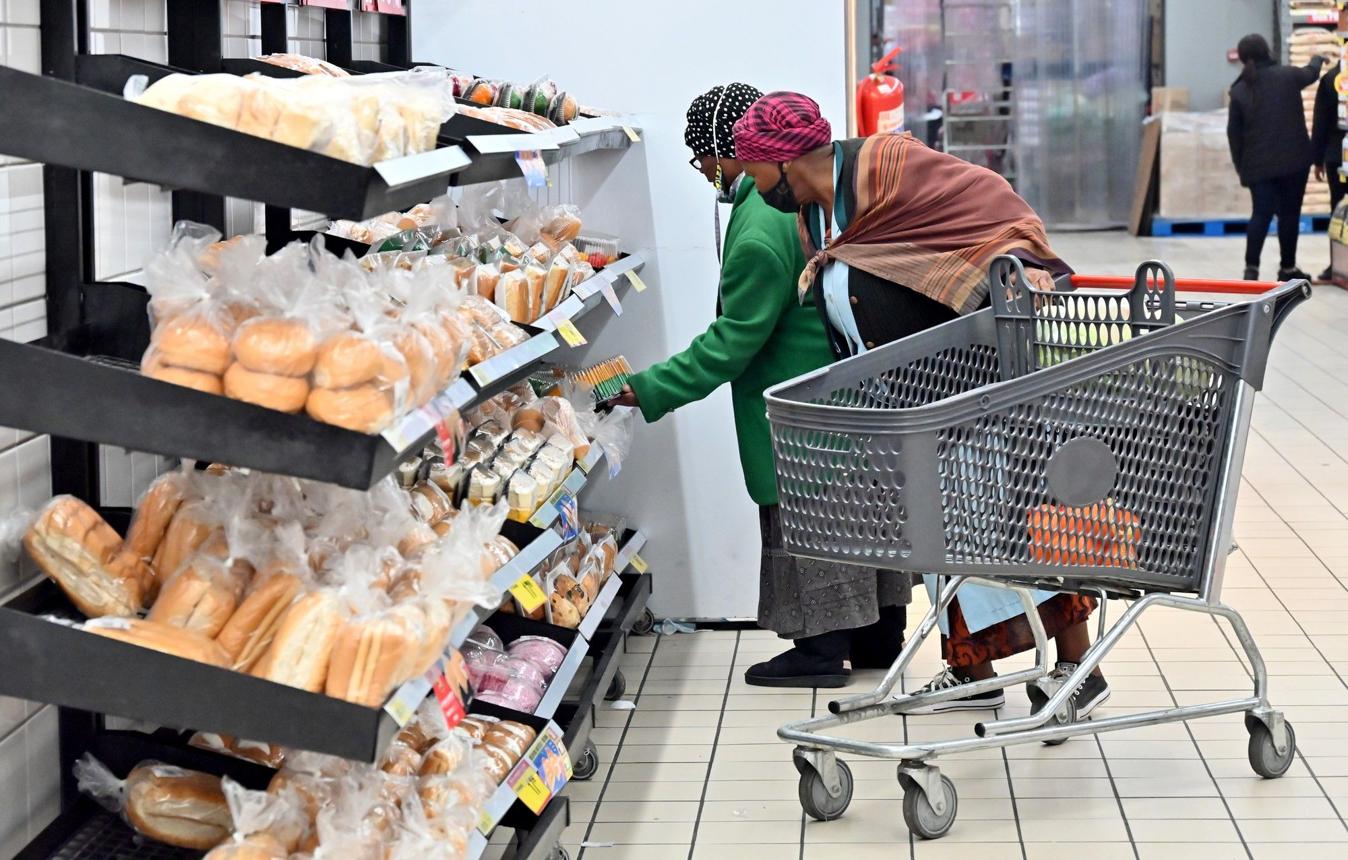
“South Africa’s upcoming September inflation and retail sales releases will provide important evidence about how rising fuel costs and wider economic pressures are affecting household purchasing power. The government’s expected review of its economic growth forecast also raises questions about employment, business demand and consumers’ ability to sustain spending.”
South African consumers and retailers face an important week as economic data is expected to shed light on the relationship between rising living costs and household spending. Figures on consumer inflation and retail sales will help reveal whether families are maintaining their purchasing activity or cutting back as essential expenses absorb more of their incomes.
Business Day reported on 19 October that Statistics South Africa was scheduled to publish September consumer inflation data and August retail sales figures on Wednesday. These releases are significant for microeconomics because they provide insight into individual purchasing decisions, changes in prices and the performance of businesses that depend on household demand.
Fuel prices and the cost of living
Fuel is an important expense for motorists, but its economic effects extend beyond the pump. Businesses use fuel to transport goods, deliver services and move employees. When transport becomes more expensive, companies may absorb the extra expense, reduce other costs or increase the prices charged to customers.
This creates a chain of effects throughout the economy. A household spending more on commuting has less money available for groceries, clothing, education, entertainment and other purchases. A retailer may consequently experience weaker demand for non-essential products, even if the number of customers entering the store remains relatively stable.
According to the reporting published by Business Day, economists expected September fuel-price movements to contribute to higher headline inflation. The publication cited estimates anticipating an increase in annual inflation to 4.6%, although this was a forecast ahead of the official release rather than a confirmed result.
Retail sales will reveal consumer behaviour
Retail sales figures help economists assess how households respond to changing economic conditions. When consumers have sufficient disposable income and confidence, they may spend more on household goods, appliances, clothing and other discretionary purchases. Conversely, financial pressure can lead them to postpone purchases, switch to cheaper alternatives or concentrate spending on necessities.
Retailers must respond to these changes. Supermarkets may promote lower-priced products, clothing stores may increase discounts, and durable-goods businesses may offer payment plans to attract customers. These decisions illustrate how demand, competition and price sensitivity shape business strategy.
However, higher nominal sales do not necessarily mean consumers are purchasing more goods. If prices rise, total sales revenue can increase even when the quantity sold remains unchanged or falls. Economists therefore examine price movements alongside sales data to better understand real consumer demand.
Implications for smaller businesses
Small businesses may be particularly vulnerable to higher operating costs because they often have less negotiating power with suppliers and fewer financial reserves than larger companies. A small retailer facing higher electricity, delivery and rental expenses may find it difficult to maintain competitive prices without reducing profit margins.
Some businesses may adapt by buying stock more frequently in smaller quantities, negotiating alternative supplier agreements or focusing on products with reliable demand. Others may face difficult choices involving staffing, opening hours or expansion plans.
The overall effect depends on how strongly customers respond to price changes and whether businesses can find more efficient ways to operate.
The wider outlook
The inflation and retail figures will also help policymakers evaluate the condition of domestic demand. Business Day reported that Finance Minister Enoch Godongwana was expected to review the government’s economic growth outlook ahead of the medium-term budget policy statement.
For households, the central issue is whether earnings can keep pace with the cost of necessities. For businesses, it is whether customers can continue buying goods and services at prices that cover production and distribution costs.
Ultimately, South Africa’s retail performance will depend not only on the prices consumers face but also on employment opportunities, wages, credit costs and confidence. The upcoming data will provide a useful snapshot of these pressures, although one month’s figures alone cannot establish a long-term trend.



