




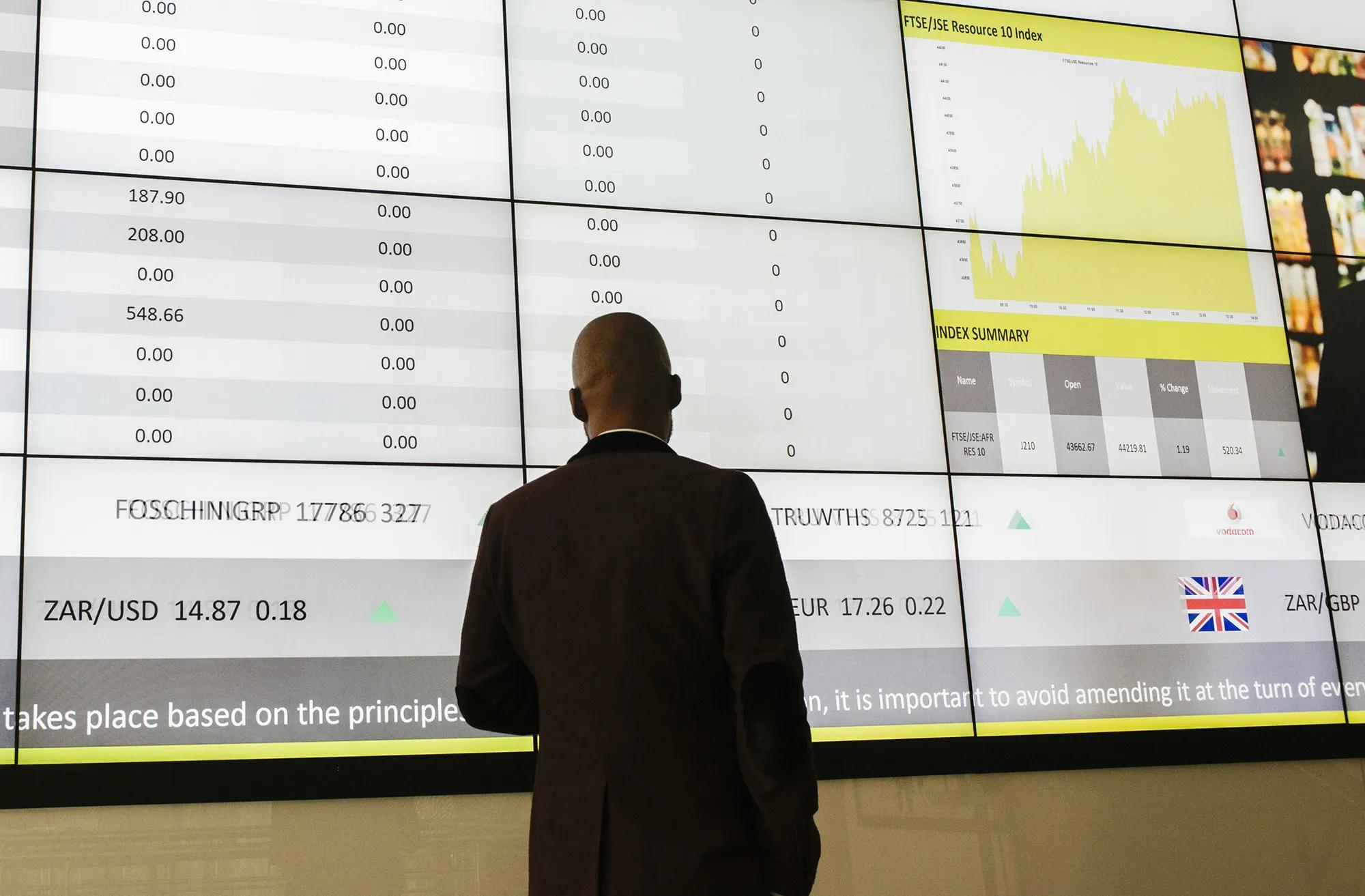
“The South African rand strengthened slightly in early trading on Monday as investors prepared for the government’s medium-term budget policy statement and the release of September inflation figures. The announcements are expected to offer important signals about the country’s fiscal position, price pressures, economic growth and the outlook for monetary policy.”
South African Rand Gains as Budget and Inflation Announcements Shape Market Expectations
South Africa’s currency edged higher in early trading on Monday, 19 October 2026, as investors prepared for a significant week of economic announcements that could influence confidence in the country’s financial markets. Attention has turned to Finance Minister Enoch Godongwana’s upcoming Medium-Term Budget Policy Statement (MTBPS) and Statistics South Africa’s September consumer inflation figures.
According to Reuters, the rand traded at approximately R16.4475 against the US dollar at 05:48 GMT, gaining around 0.2% from its previous close. Although the increase was modest, it reflected the importance investors attach to the government’s fiscal plans and the latest information about domestic prices.
Government finances under investor scrutiny
The medium-term budget statement is scheduled for Wednesday, 21 October. Investors will examine whether National Treasury can maintain improvements in public finances while responding to weak economic growth, rising costs and continued pressure on households.
The budget statement is particularly important because government borrowing, debt-service costs and revenue collection influence South Africa’s financial stability. A credible fiscal strategy could strengthen confidence in government bonds and improve perceptions of the country’s ability to manage its debt.
Market participants are also considering whether stronger revenue performance can support a better budget balance. However, higher tax receipts do not automatically translate into sustainable public finances. Treasury must assess whether revenue gains will continue and whether expenditure commitments can be met without creating additional borrowing requirements.
Investors will therefore look for evidence that government intends to control spending, improve public services and support investment without undermining fiscal stability.
Inflation remains a major economic risk
The release of September consumer inflation data will provide another important indication of the pressures affecting the economy.
Fuel prices have become a particular concern following higher international energy costs associated with geopolitical tensions. Because South Africa imports crude oil and relies heavily on road transportation, increases in fuel prices can affect freight, food distribution, manufacturing and household travel expenses.
These costs can spread throughout the economy, reducing purchasing power and increasing operating expenses for businesses. If companies pass higher costs to customers, inflation may remain elevated even when demand is weak.
Reuters reported that analysts expected September inflation to accelerate, with forecasts differing across institutions. The final official figure will help economists assess the extent of the increase and its implications for monetary policy.
Implications for interest rates and borrowing
Inflation matters because the South African Reserve Bank must balance price stability against economic conditions. If inflation accelerates persistently, policymakers may need to maintain restrictive interest rates for longer, or consider further tightening if inflation expectations deteriorate.
Higher borrowing costs can discourage household credit demand and business investment. They can also increase the cost of financing homes, vehicles and productive equipment. For government, elevated interest rates can make debt servicing more expensive.
However, inflation driven by imported fuel prices presents a difficult policy challenge. Interest-rate increases cannot directly lower international oil prices or restore disrupted supply chains. Their purpose is instead to limit the extent to which initial price increases become entrenched in domestic wages, prices and expectations.
Why the rand matters to households and businesses
The rand’s performance influences the domestic prices of imported goods, including fuel, machinery, electronics and some food products. A stronger currency can reduce import costs relative to what they would otherwise be, provided the improvement persists and international prices remain comparable.
A weaker rand can have the opposite effect by making imports more expensive. This is especially important when oil prices are already elevated.
Nevertheless, daily exchange-rate movements should not be mistaken for a complete assessment of economic health. Currency prices are influenced by global interest-rate expectations, international risk appetite, commodity markets and domestic policy credibility.
Outlook for the week
Investors are likely to remain cautious until the government budget statement and inflation data become available. The announcements will help clarify whether fiscal improvements can offset some of the risks arising from slow growth and rising prices.
For households and businesses, the central question is whether the economic environment will become more predictable. Stable prices, credible public finances and a resilient currency could improve planning conditions, but sustained recovery will also require stronger production, investment and employment.
The rand’s modest advance therefore represents a market response to expectations rather than proof that South Africa’s economic difficulties have been resolved. The week’s announcements will provide a clearer basis for assessing the country’s immediate macroeconomic outlook.



