




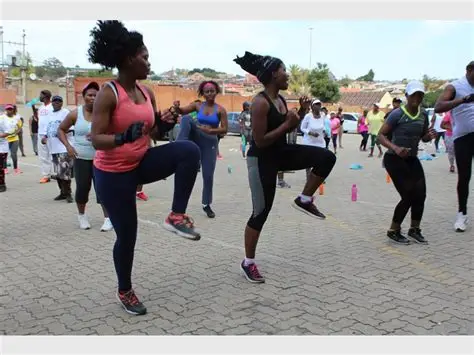
“The rising cost of living in South Africa is forcing families to cut gym memberships and personal training, prioritizing essentials like food and school fees. Fitness experts warn that abandoning exercise could worsen obesity, stress, and mental health challenges, urging communities to find affordable alternatives.”
South Africa’s fitness industry is facing a crisis as the country’s escalating cost of living forces thousands of citizens to abandon gyms and personal training. While exercise is widely recognized as essential for combating obesity, stress, and poor mental health, many households are finding it increasingly unaffordable. This development raises urgent questions about how communities can sustain healthy lifestyles in the face of economic hardship.
The Economic Context
Inflation, rising food prices, and increased school fees have left families with little disposable income. For many, gym memberships and personal training sessions are now considered luxuries rather than necessities. Personal trainer Vuks from Nkowankowa near Tzaneen has seen a sharp decline in clients, with many redirecting funds toward groceries and household bills.
Fitness as a Health Imperative
Despite the financial strain, experts stress that fitness is more important than ever. South Africa faces a growing obesity epidemic, with unhealthy diets and sedentary lifestyles contributing to rising rates of diabetes, hypertension, and mental health disorders. Exercise is not just about aesthetics—it plays a vital role in reducing stress, improving cardiovascular health, and enhancing overall well-being.
Personal Stories
For Vuks, fitness is deeply personal. After losing a close friend, he turned to exercise as a way to cope with grief and mental health struggles. His journey illustrates how fitness can provide purpose and healing, underscoring its importance beyond physical health.
Community-Based Alternatives
With gyms becoming unaffordable, many South Africans are turning to alternative forms of exercise. Hiking trips, aerobics classes, and community fitness events are gaining popularity. Vuks himself organizes outdoor activities and awareness campaigns, encouraging people to stay active without incurring high costs. These grassroots initiatives highlight the resilience of communities in adapting to economic challenges.
The Link Between Fitness and Mental Health
The decline in gym attendance has broader implications for mental health. Exercise is a proven tool for managing anxiety, depression, and stress. Without access to structured fitness programs, many South Africans risk losing a critical coping mechanism. This could exacerbate the country’s already significant mental health burden.
Substance Abuse Prevention Through Fitness
Another dimension of the fitness movement is its role in combating substance abuse. Vuks has become a vocal advocate against drug use, organizing fun walks and awareness campaigns to steer young people toward healthier lifestyles. His efforts demonstrate how fitness can serve as a protective factor against destructive behaviors.
Expert Perspectives
Health professionals warn that cutting fitness expenses may save money in the short term but could lead to higher healthcare costs in the long run. Preventive health measures, such as regular exercise, are far more cost-effective than treating chronic diseases. Critics argue that government and private sector support is needed to make fitness more accessible, particularly for low-income households.
Policy Implications
The government’s updated dietary guidelines, released earlier this year, emphasize traditional foods and healthier eating habits. However, without parallel efforts to promote affordable fitness, these guidelines may fall short. Policymakers must consider subsidies, community programs, and partnerships with NGOs to ensure that fitness remains within reach for all citizens.
Challenges Ahead
- Economic inequality: Many households cannot afford healthy food, let alone gym memberships.
- Behavioral change: Shifting entrenched habits requires sustained education and awareness.
- Industry resistance: Fitness and food industries may resist reforms that threaten profits.
Conclusion
South Africa’s fitness crisis reflects the broader struggle of balancing health with economic survival. While gyms may be closing their doors to many, the spirit of fitness persists in communities finding creative, low-cost ways to stay active. The challenge now lies in ensuring that these efforts are supported and scaled, so that fitness remains a cornerstone of public health in South Africa.



