




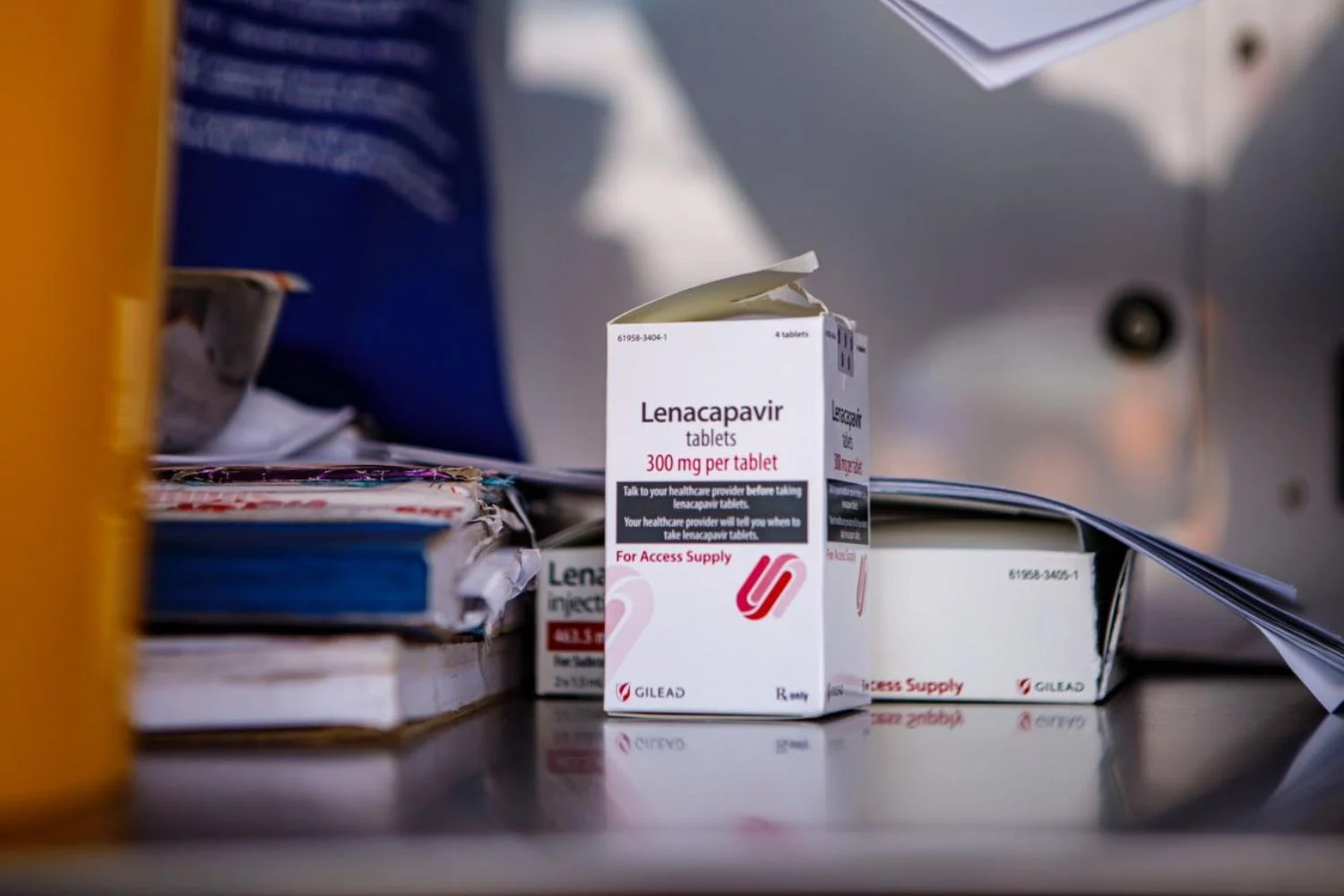
“South Africa has begun rolling out lenacapavir, a long-acting HIV prevention injection, across Gauteng, but only a fraction of designated clinics are prepared to deliver it. This uneven readiness highlights systemic challenges in public health infrastructure and raises fears that vulnerable populations may be left behind.”
The fight against HIV in South Africa has entered a new chapter with the introduction of lenacapavir, a groundbreaking long-acting injection designed to prevent HIV infection. Gauteng province, home to some of the country’s highest HIV prevalence rates, was chosen as a key site for the rollout. Of the 360 clinics designated to provide the jab, only 133 are currently ready, exposing deep inequalities in healthcare readiness and sparking debate about whether this rollout represents progress or containment.
A Promising Breakthrough
Lenacapavir is a biannual injection that offers protection against HIV for six months at a time. Unlike daily oral pre-exposure prophylaxis (PrEP), which requires strict adherence, lenacapavir’s long-acting nature reduces the burden on patients and healthcare providers. Experts believe it could dramatically reduce new infections, particularly among young women and key populations disproportionately affected by HIV.
Uneven Rollout
Despite its promise, the rollout has been uneven. Clinics in urban centers such as Johannesburg and Pretoria are better prepared, while rural and township facilities lag behind. This disparity reflects broader systemic issues in South Africa’s public health system, including resource allocation, staffing shortages, and infrastructure gaps. Patients in under-resourced areas may face delays or be forced to travel long distances to access the injection.
Equity Concerns
Civil society organizations have raised concerns that the selective rollout could exacerbate existing inequalities. Vulnerable groups—such as sex workers, LGBTQ+ individuals, and adolescents—are among those most in need of protection but often face barriers to healthcare access. Critics argue that limiting rollout to certain clinics amounts to a political choice about who gets protected and who is left behind.
Patient Experiences
Early recipients of lenacapavir have reported positive experiences, citing relief from the daily burden of pills and increased confidence in their protection against HIV. However, some patients have expressed frustration at long waiting times and inconsistent availability. These mixed experiences underscore the importance of scaling up readiness across all designated sites.
Government Response
The Department of Health has acknowledged the uneven rollout but insists that the program will expand steadily. Officials argue that logistical challenges are inevitable in introducing a new drug at scale. They emphasize that lenacapavir is available to anyone eligible, not just high-risk groups, signaling a commitment to universal access.
Broader Implications
The rollout of lenacapavir is more than a medical milestone—it is a test of South Africa’s ability to deliver equitable healthcare. Success will depend not only on the drug’s efficacy but also on the country’s capacity to ensure that all communities, regardless of geography or socioeconomic status, can benefit. If managed well, lenacapavir could mark a turning point in the fight against HIV. If not, it risks becoming another example of uneven progress in public health.



