




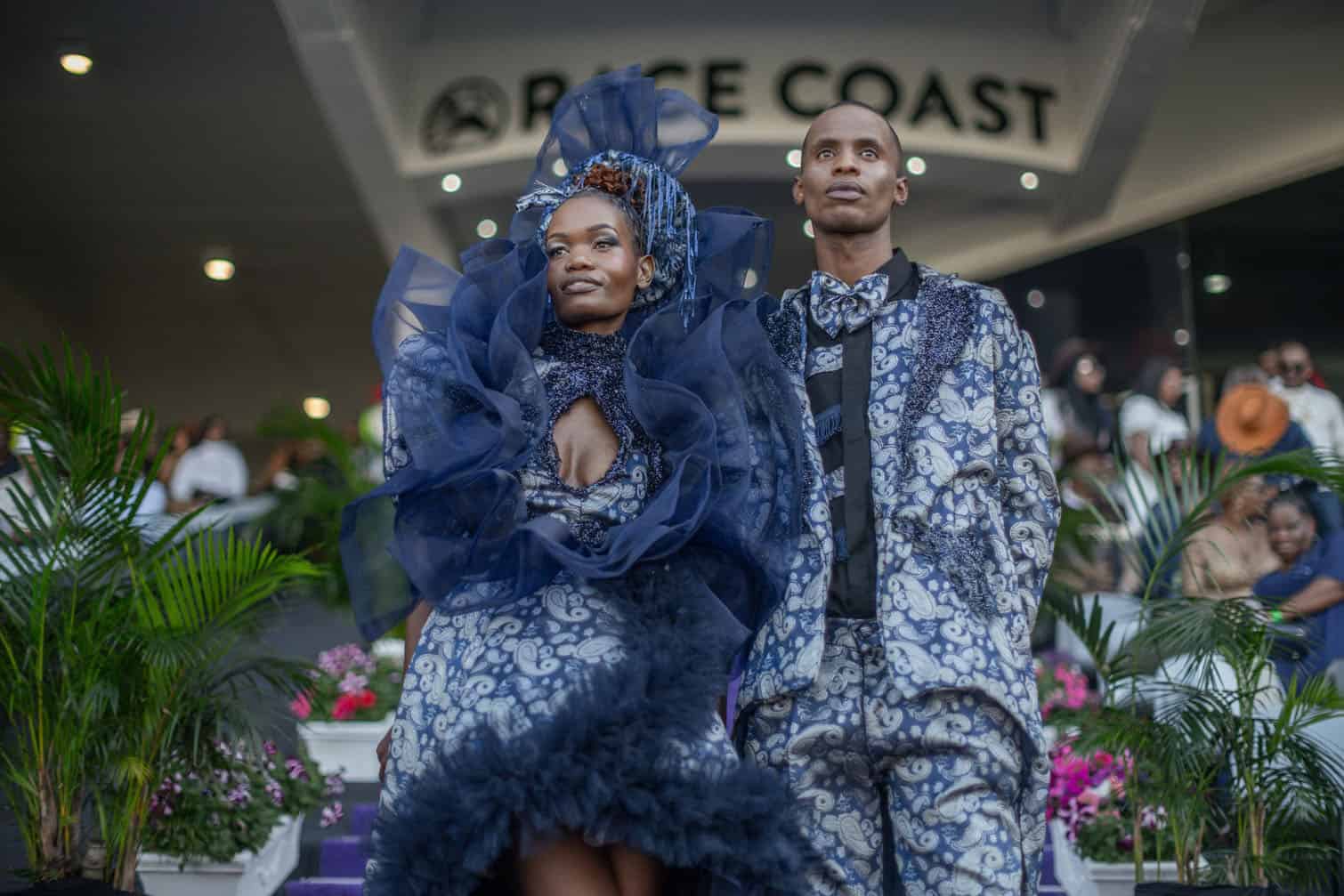
“The Durban Fashion Fair 2026 launched at the Durban Exhibition Centre, bringing together 84 designers and 25 debut models under the theme “Where Legacy Lives.” The event emphasizes African heritage, sustainability, and innovation, positioning South Africa as a hub for global fashion creativity.”
The Durban Fashion Fair (DFF) 2026 opened its doors on September 16, 2026, marking a milestone 15th anniversary for one of Africa’s most influential fashion platforms. With 84 designers, 25 debut models, and a mentorship program showcasing 20 emerging talents, the event underscores Durban’s role as a continental fashion capital. The theme, “Where Legacy Lives,” reflects the balance between cultural heritage and modern innovation, a narrative deeply embedded in African fashion.
Historical Context
Launched in 2011, the DFF was envisioned as a platform to nurture local talent and connect South African designers to international markets. Over 15 years, it has evolved into a continental powerhouse, attracting designers from Nigeria, Ghana, Kenya, Zimbabwe, Namibia, Botswana, and Seychelles. This year’s edition is not just a showcase but a celebration of African creativity and resilience, highlighting how fashion can preserve cultural identity while embracing global trends.
Designer Participation
The lineup includes both established houses and emerging labels. Highlights are:
- Maxhosa by Laduma – celebrated for bold geometric patterns inspired by Xhosa heritage.
- Rich Mnisi – known for exploring gender fluidity and vibrant palettes.
- Republic Menswear, Carita Adams, Black Faces Apparel, ByArthur The Tailor – representing Durban’s diverse design scene.
- Kwenzi Nkomo (Indoni Fashion House) – a returning mentee who debuted in 2014 and has since showcased internationally.
Emerging Talent & Mentorship
The DFF Class of 2026 features 20 designers who underwent months of mentorship, focusing on technical skills, branding, and sustainability. Their collections demonstrate how young African designers are integrating technology, eco-conscious materials, and cultural storytelling into their work. This mentorship program has become a cornerstone of DFF, ensuring continuity and growth in the industry.
Sustainability & Innovation
In line with global fashion trends, DFF 2026 emphasizes eco-conscious fashion. Designers are encouraged to use:
- Recycled fabrics
- Organic materials
- Low-waste production methods
This aligns with South Africa’s growing reputation as a leader in ethical fashion innovation, positioning the country as a hub for sustainable design.
Business & Networking
Beyond the runway, DFF serves as a business incubator. Networking sessions connect designers with buyers, investors, and media. The fair has historically facilitated international collaborations, helping South African designers gain visibility in Paris, Milan, and New York.
Cultural Identity Meets Modernity
The theme “Where Legacy Lives” resonates deeply. African designers are increasingly blending traditional weaving techniques, beadwork, and indigenous textiles with modern silhouettes. This fusion creates collections that are both culturally rich and globally relevant, ensuring African fashion remains distinctive in the international arena.
Global Impact
The DFF’s emphasis on sustainability and heritage reflects broader global trends. As fashion capitals worldwide grapple with environmental responsibility, Durban’s leadership in circular fashion models positions South Africa as a trendsetter in ethical fashion.
Conclusion
The Durban Fashion Fair 2026 is more than a fashion showcase—it is a celebration of African creativity, resilience, and sustainability. By bridging heritage and innovation, it reinforces South Africa’s role as a continental fashion powerhouse and a global leader in sustainable design.



