




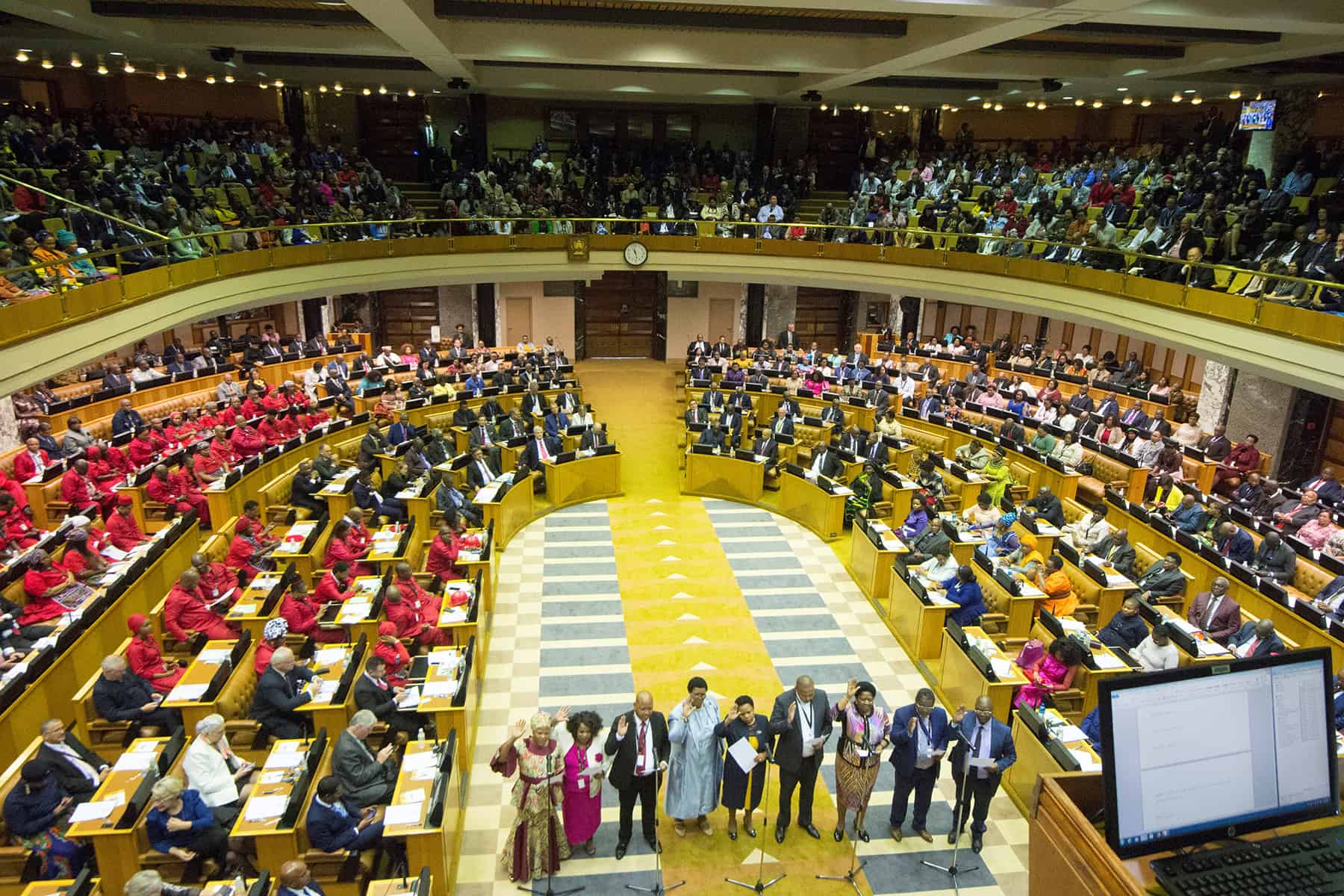
“The EFF has announced confidence in removing Speaker Thoko Didiza during next week’s motion of no confidence debate, citing her controversial handling of President Ramaphosa’s Section 89 impeachment process. This unprecedented move highlights growing constitutional tensions and questions about parliamentary accountability in South Africa.”
South Africa’s governance landscape has entered a historic moment as the Economic Freedom Fighters (EFF) prepare to challenge the authority of National Assembly Speaker Thoko Didiza through a motion of no confidence. Scheduled for debate next Wednesday, this motion represents the first attempt in South African history to remove a sitting Speaker, signaling both political volatility and constitutional significance.
Background to the Motion
The motion was introduced by EFF leader Julius Malema in June 2026, following Didiza’s decision not to oppose President Cyril Ramaphosa’s application in the Western Cape High Court. That application sought to halt the Section 89 impeachment inquiry into Ramaphosa’s conduct regarding the Phala Phala farm scandal, a controversy that has haunted his presidency.
The EFF argues that Didiza’s stance undermined Parliament’s constitutional duty to hold the president accountable. By not opposing Ramaphosa’s legal maneuver, the Speaker is accused of shielding the executive from scrutiny, thereby eroding parliamentary independence.
Constitutional Implications
EFF Treasurer-General Omphile Maotwe emphasized that this motion carries profound constitutional weight. Never before has a Speaker faced removal through a no-confidence vote, making this a precedent-setting moment for South Africa’s democratic institutions.
The motion raises questions about the balance of power between Parliament and the judiciary, especially as Ramaphosa’s impeachment process itself faces ongoing legal challenges. Critics argue that judicial interventions risk overreach, while supporters insist they safeguard procedural fairness.
Criticism of Virtual Parliamentary Sittings
Beyond impeachment, the EFF has condemned Parliament’s reliance on virtual sittings, labeling them wasteful and ineffective. Maotwe pointed out that the Pretoria parliamentary dome remains idle, despite costly monthly rentals for facilities intended for physical sessions.
The EFF insists that governance requires direct accountability through in-person debates, especially on matters of constitutional gravity. They argue that virtual sittings dilute the seriousness of proceedings and contribute to fruitless expenditure.
Relocation Proposal
The EFF reiterated its longstanding proposal to relocate the legislative capital from Cape Town to Tshwane (Pretoria). According to Maotwe, consolidating administrative and legislative functions in one city would reduce wasteful travel costs and improve efficiency.
This proposal, though controversial, reflects broader debates about South Africa’s governance structures and the need for modernization.
Coalition Politics and Parliamentary Dynamics
Despite the ANC holding the largest number of seats, no single party currently commands a majority. This reality has forced constant coalition-building, making motions of no confidence unpredictable.
The EFF believes that the Speaker’s removal is possible through cross-party alliances, particularly as frustrations mount over governance inefficiencies and accountability failures.
Synchronization of Elections
The EFF also advocates for synchronizing local, provincial, and national elections to ensure uninterrupted five-year service delivery cycles. They argue that staggered elections disrupt governance and weaken accountability. The ANC, however, has consistently opposed this proposal, citing logistical and constitutional concerns.
Public Reaction and Political Stakes
Public opinion remains divided. Supporters of the motion view it as a necessary step to restore parliamentary integrity, while critics warn it could destabilize governance further.
If successful, the motion would not only remove Didiza but also reshape parliamentary leadership, potentially emboldening opposition parties to pursue more aggressive accountability measures against the executive.
Conclusion
The upcoming debate represents a watershed moment in South African politics. Whether or not Speaker Didiza is removed, the motion underscores the fragility of governance structures, the intensity of constitutional debates, and the growing assertiveness of opposition parties in holding the executive accountable.
South Africa’s democracy, built on principles of separation of powers and accountability, now faces a critical test. The outcome of this motion will reverberate across the political landscape, shaping governance for years to come.



