




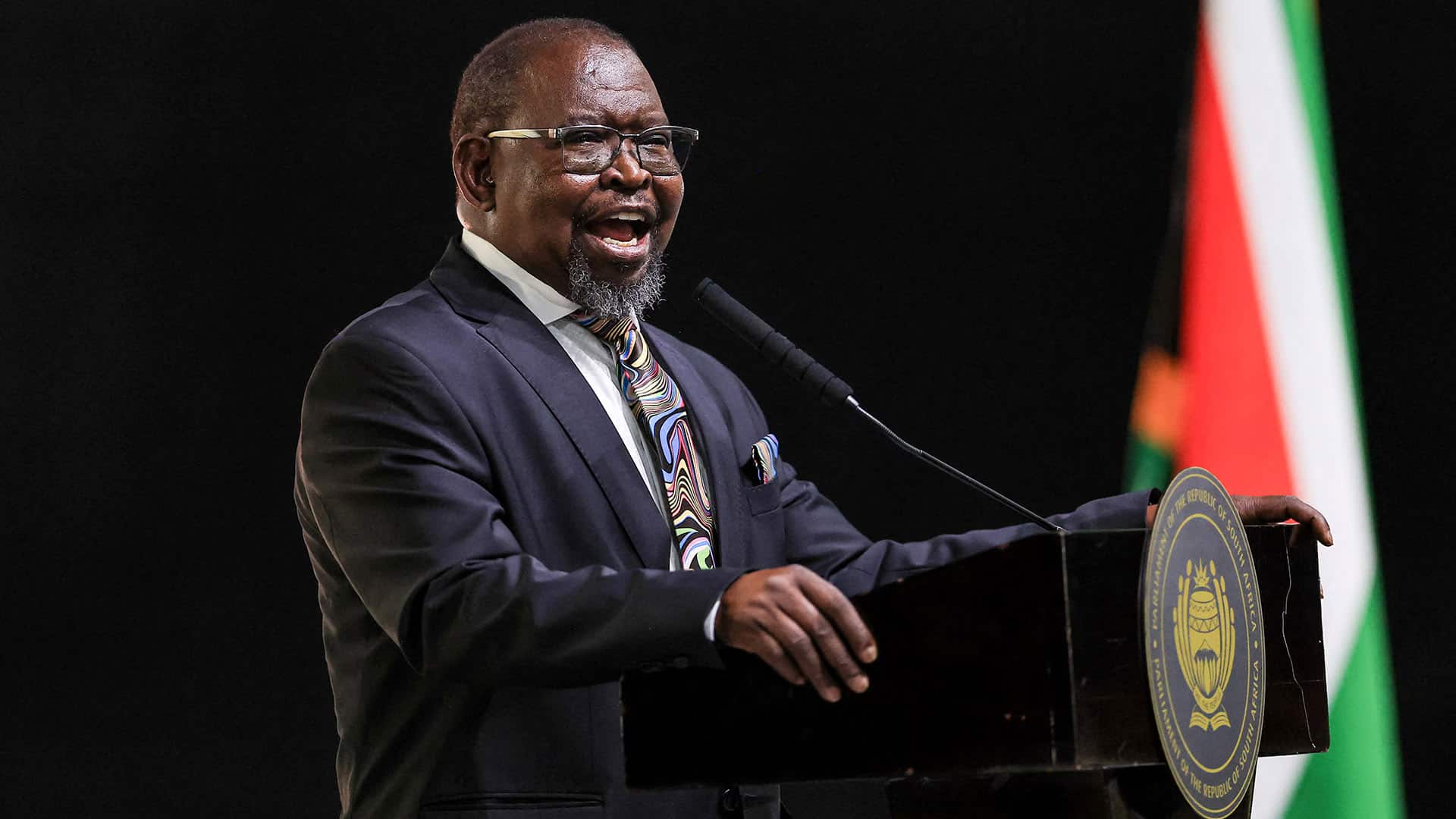
“Finance Minister Enoch Godongwana announced today that the Treasury will withhold equitable share transfers to 69 municipalities due to governance and compliance failures. The move, coming just months before the November 2026 municipal elections, intensifies scrutiny on local government accountability and service delivery.”
South Africa’s political landscape was jolted today as Finance Minister Enoch Godongwana announced that the Treasury will withhold equitable share transfers to 69 municipalities. This decision, made just four months before the scheduled municipal elections on November 4, 2026, underscores the growing tension between national oversight and local governance.
Background: Municipal Elections Context
The 2026 municipal elections are expected to be one of the most contested in recent history, with over 508 political parties registered to participate. Voter registration has surged, particularly among young South Africans, with nearly half a million new registrations recorded in June 2026.
These elections will be the first since the formation of the Government of National Unity in 2024, making them a litmus test for coalition politics and the ability of parties to deliver at the local level.
The Treasury’s Intervention
Minister Godongwana explained that the withholding of funds was due to non-compliance with financial management regulations and persistent failures in governance. Equitable share transfers are critical for municipalities, as they fund basic services such as water, sanitation, and electricity. By halting these transfers, the Treasury is signaling that accountability will be enforced—even at the risk of disrupting service delivery.
Political Implications
The timing of this intervention is politically charged. Opposition parties such as the Democratic Alliance (DA) and Economic Freedom Fighters (EFF) are likely to seize on the decision as evidence of the ruling African National Congress (ANC)’s inability to manage local governance effectively. Meanwhile, smaller parties like ActionSA and the Inkatha Freedom Party (IFP) may use the issue to rally support in municipalities hardest hit by the funding freeze.
Governance and Accountability
South Africa’s municipalities have long struggled with issues of corruption, mismanagement, and poor service delivery. The Auditor-General has repeatedly flagged irregular expenditures and weak financial controls. By withholding funds, the Treasury is attempting to enforce compliance, but critics argue that ordinary citizens will bear the brunt of the decision, as municipalities may be unable to maintain essential services.
Voter Sentiment
With elections looming, voter sentiment is likely to be shaped by this development. Citizens in affected municipalities may feel disenfranchised, blaming both local councils and the national government. The decision could either galvanize voter turnout—driven by frustration—or deepen apathy if residents lose faith in the political system altogether.
Expert Analysis
Political analysts suggest that the move is a calculated risk. On one hand, it demonstrates the government’s commitment to fiscal discipline. On the other, it risks alienating voters who may perceive the intervention as punitive. The ANC, already facing declining support in urban centers, may struggle to convince voters that the decision was in their best interest.
Looking Ahead
The Inter-Ministerial Committee (IMC) overseeing the elections will now face additional pressure to ensure that municipalities remain functional despite the funding freeze. The Electoral Commission of South Africa (IEC) has emphasized that preparations for the November elections remain on track, but the political fallout from today’s announcement will likely dominate campaign narratives.
Conclusion
Minister Godongwana’s decision to withhold equitable share transfers from 69 municipalities is more than a financial intervention—it is a political statement. As South Africa heads into the 2026 municipal elections, the issue of governance and accountability will be front and center. Whether voters reward or punish the ruling party for this bold move remains to be seen, but one thing is certain: the stakes in November have just been raised dramatically.



