




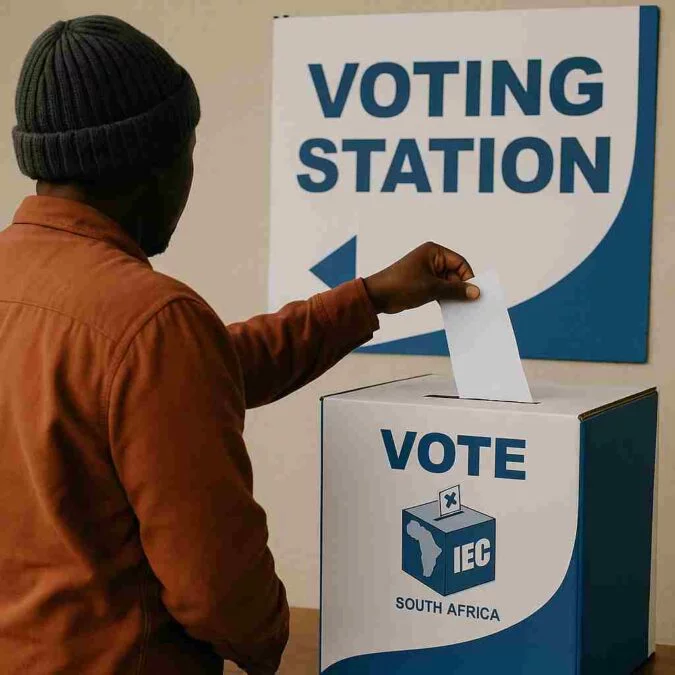
“Helen Zille’s DA campaign in Johannesburg is gaining momentum, with the party aiming for an outright majority of 500,000 votes despite challenges of voter apathy. Meanwhile, the MK Party continues to consolidate support in KwaZulu-Natal, positioning itself as a likely dominant force in eThekwini and other towns.”
Introduction
South Africa’s political landscape is entering a decisive phase as the country prepares for the 2026 Local Government Elections scheduled for 4 November. Two key players have emerged at the forefront of the electoral conversation: Helen Zille’s Democratic Alliance (DA) campaign in Johannesburg and the Umkhonto Wesizwe (MK) Party’s surge in KwaZulu-Natal (KZN). Their trajectories reflect both the evolving dynamics of urban politics and the enduring influence of regional loyalties.
Helen Zille’s Transformation and DA’s Johannesburg Strategy
Helen Zille, once known for her stern leadership style, has reinvented herself as a more approachable figure. Campaigning as “DJ Gogo,” she has embraced Johannesburg’s vibrant, youthful culture. This transformation is not merely cosmetic—it represents a calculated effort to connect with diverse urban voters.
- DA’s Goal: Secure 500,000 votes to achieve an outright majority in Johannesburg.
- Challenges: Low voter registration and apathy remain significant obstacles.
Zille’s campaign has been marked by grassroots engagement, viral social media content, and a focus on urban issues such as potholes, infrastructure, and service delivery. The DA believes that Johannesburg, as South Africa’s economic hub, could serve as a symbolic victory and a strategic foothold for broader national influence.
MK Party’s Rising Influence in KwaZulu-Natal
Despite internal turmoil and leadership disputes, the MK Party continues to command strong support in KwaZulu-Natal. Analysts suggest that the party could secure majority control in eThekwini (Durban) and other towns.
- 2024 Elections Performance: MKP won 48% of the vote in major KZN metros.
- Coalition Dynamics: The National Freedom Party (NFP) remains a kingmaker, often aligning with the IFP, DA, and ANC.
The MK Party’s resilience underscores the importance of regional identity politics in South Africa. Its ability to mobilize grassroots support, despite organizational instability, highlights the deep connection between the party and KZN’s electorate.
National Context and Voter Registration
The Electoral Commission of South Africa (IEC) recently reported that close to 3 million voters registered or updated their details during the June 20–21 voter registration weekend. This turnout reflects a strong commitment to democratic participation, even amid political uncertainty.
The IEC’s campaign, under the tagline “Get Up, Show Up, Vote”, emphasizes inclusivity and youth engagement. With over 27.6 million registered voters, the upcoming elections are poised to be one of the most competitive in recent history.
Implications for November 2026 Elections
- Johannesburg: If the DA secures a majority, it could reshape urban governance and challenge ANC dominance in metropolitan areas.
- KwaZulu-Natal: MK Party’s success would reinforce regional power bases and complicate coalition negotiations.
- National Trends: Local government elections often mirror national sentiment, suggesting that these outcomes could foreshadow broader shifts in South African politics.



