




“South Africa has allocated R10.4 billion to drive science and technology innovation, focusing on renewable energy, hydrogen technologies, and climate resilience. This investment aims to strengthen research infrastructure, expand high-level skills, and position the country as a hub for environmental innovation in Africa.”
Introduction
South Africa’s government has unveiled a R10.4 billion budget for the 2026/27 financial year, signaling its strongest commitment yet to advancing science, technology, and innovation (STI). At the heart of this allocation lies a clear priority: leveraging environmental science and green technologies to address climate change, energy security, and sustainable development. This announcement, made by Minister Blade Nzimande and Deputy Minister Nomalungelo Gina, reflects the country’s ambition to transform its innovation ecosystem under the Decadal Plan 2022–2032.
Key Environmental Investment Areas
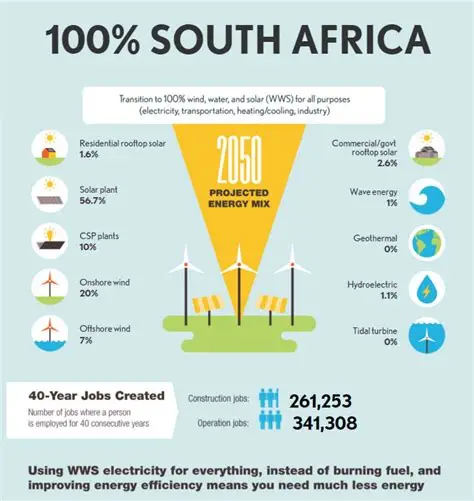
- Renewable Energy Expansion: Funding will accelerate solar, wind, and hydrogen projects, ensuring South Africa reduces reliance on coal and achieves long-term energy security.
- Hydrogen Technologies: Investment in green hydrogen aims to position South Africa as a global leader in clean fuel innovation.
- Climate Resilience Research: Projects will focus on climate-smart agriculture, water management, and adaptation strategies for vulnerable communities.
- Space and Environmental Monitoring: Continued support for the Square Kilometre Array (SKA) will enhance climate data collection and environmental modeling.
- Indigenous Knowledge Systems: Integration of traditional ecological knowledge into modern innovation frameworks.
Strategic Goals
- Raise gross expenditure on R&D to 1.5% of GDP.
- Expand the Presidential PhD Programme to develop high-end skills in environmental sciences.
- Forge innovation compacts with private sector partners to scale renewable energy adoption.
- Strengthen pandemic preparedness with local vaccine manufacturing, linking health security to environmental sustainability.
National and Global Impact
This budget is not only about domestic growth but also about South Africa’s global competitiveness. By investing in renewable energy and environmental innovation, the country aims to become a hub for green technology in Africa and the Global South. Partnerships with international organizations, including the SKA Observatory, highlight South Africa’s role in advancing global scientific collaboration.
Challenges
- Equitable Access: Ensuring rural and marginalized communities benefit from green innovation.
- Digital Divide: Bridging gaps in access to environmental data and technology.
- Sustainable Funding: Maintaining long-term financial support for large-scale projects.
Opportunities
- Job Creation: Renewable energy projects are expected to generate thousands of construction and technical jobs.
- Industrial Leadership: Positioning South Africa as a leader in African industrialization through green technologies.
- Economic Growth: Driving GDP growth by linking environmental innovation to industrial competitiveness.
Conclusion
The R10.4 billion STI budget represents a transformative moment for South Africa. By prioritizing environmental science, renewable energy, and climate resilience, the country is not only addressing urgent ecological challenges but also laying the foundation for long-term economic growth and global leadership in green innovation. This investment underscores South Africa’s vision of a sustainable future where science and technology drive both prosperity and planetary health.



