




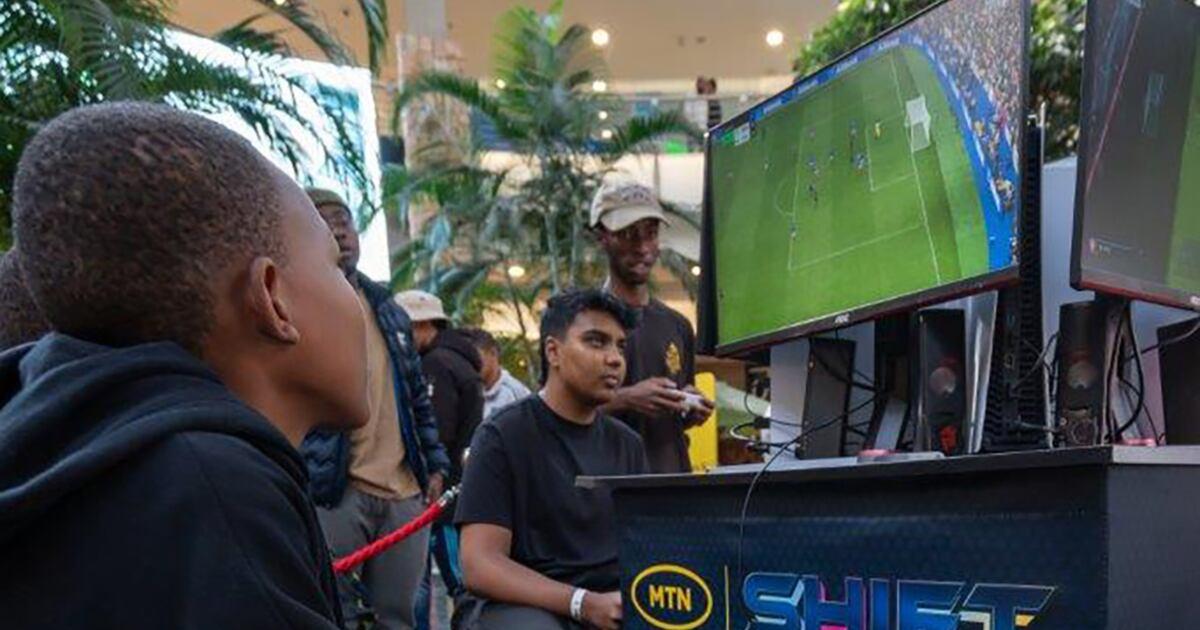
“South Africa’s SHIFT Gaming Experience concluded its national finals at Canal Walk in Cape Town, crowning Ethan Luck, known as Nova, in Beat Saber, Mogamat Zaid April in EA FC 26, and Jayden Devlal in Brawlhalla. The tournament series attracted 42,327 competitors and visitors across eight Hyprop shopping centres, with R350,000 in prize money awarded throughout the competition.”
SHIFT Gaming Experience Crowns National Champions as South African Esports Gains Momentum
South Africa’s competitive gaming community has received another significant boost following the conclusion of Hyprop’s SHIFT Gaming Experience national finals at Canal Walk in Cape Town. The tournament series brought gamers and spectators together across eight shopping centres, culminating in the crowning of champions in Beat Saber, EA FC 26 and Brawlhalla. The event highlighted the growing appeal of organised gaming competitions and the opportunities available to South African players seeking to develop their skills in a competitive environment.
According to a report published by The Bulrushes on 8 October 2026, the tournament series attracted 42,327 competitors and visitors to its gaming arenas. The organisers also awarded R350,000 in prize money throughout the competition, underlining the scale of the initiative and its ambition to make competitive gaming more accessible to the public.
Three champions emerge at Canal Walk
The national finals provided a platform for leading competitors to demonstrate their abilities across three different gaming titles. Ethan Luck, who competes under the gamertag Nova, claimed the Beat Saber championship. Mogamat Zaid April, known competitively as Zaid April, won the EA FC 26 football tournament, while Jayden Devlal secured victory in Brawlhalla.
The three games represent different aspects of esports. Beat Saber combines rhythm, timing and physical movement in a virtual reality environment. EA FC 26 simulates football, requiring players to understand tactics, manage possession and make rapid decisions. Brawlhalla, meanwhile, is a competitive fighting game that rewards precision, positioning, timing and the ability to anticipate an opponent’s moves.
By featuring these titles in one tournament series, SHIFT provided opportunities for players with different interests and competitive strengths. It also demonstrated how gaming events can appeal to audiences beyond traditional computer-based esports, incorporating console competition and immersive gaming experiences.
The results at Canal Walk represented the culmination of a wider competition rather than an isolated event. Participants competed through a series of tournaments hosted at eight Hyprop shopping centres before the national finals brought the strongest contenders together.
EA FC 26 attracts substantial participation
One of the clearest indicators of interest in the competition was the EA FC 26 tournament. Organisers recorded 2,029 registrations for the football title alone, with the field eventually reduced to 12 finalists who competed at Canal Walk.
The final stage placed additional pressure on players, who had to translate their performance in earlier rounds into results against other highly competitive participants. In football simulation games, success often depends on more than familiarity with the controls. Players must read opponents, manage space, select suitable formations and make decisions under pressure.
The EA FC 26 final also featured a R50,000 prize pool shared among the top four finishers. That financial incentive added another dimension to the competition, recognising achievement while creating an opportunity for successful participants to receive tangible rewards for their efforts.
Zaid April’s victory therefore placed him at the centre of one of the series’ most prominent competitive outcomes. His achievement also illustrated the potential for South African players to gain recognition through structured tournaments that bring together competitors from different locations.
Shopping centres become competitive gaming venues
A central feature of the SHIFT Gaming Experience was its use of shopping centres as venues for organised gaming. Instead of limiting competitive play to specialist esports arenas or online platforms, the tournament series brought competitions into accessible public spaces.
The approach enabled visitors to encounter esports while shopping, socialising or attending events with family and friends. It also gave participating players an opportunity to compete in front of a live audience, adding an atmosphere that differs from playing alone at home.
Christie Stanbridge, Hyprop’s Brand and Campaigns Marketing Manager, said gaming could bring people together through competition, spectatorship and the discovery of new titles. She also explained that professionally organised tournaments in shopping centres could make competitive gaming more accessible and provide players with a platform to test their abilities before live audiences.
The reported attendance and participation figures suggest that the format attracted substantial interest across the series. However, the combined total of 42,327 competitors and visitors should not be interpreted as 42,327 individual tournament entrants, since the figure includes visitors to the gaming arenas.
This distinction matters when evaluating esports participation. Attendance measures the broader audience reached by an event, whereas registration and competitor figures offer a more direct indication of the number of people actively entering competitions.
Nevertheless, combining these measures helps illustrate how gaming events can serve both competitive and entertainment purposes.
Prize money and commercial opportunities
The R350,000 awarded across the SHIFT Gaming Experience formed another important part of the event’s significance. Prize money can encourage players to enter competitions, prepare more seriously and pursue improved performance.
For developing competitors, organised tournaments also provide experience in managing pressure, following event rules and competing against unfamiliar opponents. These skills may become valuable as players progress towards more demanding regional, national or international competitions.
From a commercial perspective, gaming tournaments offer organisers and sponsors opportunities to engage with audiences through live activations, branded experiences and entertainment programming. Shopping centres can also benefit by creating reasons for visitors to spend additional time at venues.
However, financial rewards alone do not determine whether an esports ecosystem can grow sustainably. Continued development also depends on regular competitions, fair rules, appropriate equipment, reliable event administration and opportunities for players to improve over time.
The SHIFT series illustrates how commercial venues can support competitive gaming, although its long-term impact will depend on whether organisers can maintain participation and build on the interest generated by the 2026 events.
Accessibility and the future of South African esports
One of the major challenges facing emerging esports players is access to suitable equipment, competitive opportunities and established communities. Organised public tournaments can help address some of these barriers by bringing gaming experiences closer to potential participants.
For newcomers, seeing competitions in a familiar environment may make esports easier to understand and less intimidating. Spectators can watch matches, learn about different titles and discover how players compete under organised conditions.
The format may also encourage young gamers to develop skills in teamwork, communication, strategic thinking and disciplined practice. These benefits should not be confused with a guarantee of professional success, since reaching elite competitive levels requires sustained commitment and strong performance.
A diverse tournament programme can broaden participation by accommodating different interests. Some players may prefer football simulations, while others may be drawn to rhythm games, fighting games or team-based titles. Including several genres gives organisers more opportunities to connect with varied audiences.
Nevertheless, accessibility must be supported by responsible event management. Organisers should provide clear competition rules, fair opportunities to participate and appropriate safeguards for younger players. They should also encourage healthy gaming habits and balance competition with education, work and other responsibilities.
Canal Walk looks towards future events
For Canal Walk, hosting the national finals provided an opportunity to welcome finalists and supporters from across the country. General Manager Mandy Bellamy described the event as a memorable conclusion to the series, highlighting the atmosphere, competitive standard and support from spectators.
Bellamy also expressed an interest in building on the tournament’s success and making the event bigger in 2027.
That intention creates an opportunity to strengthen the relationship between shopping centres and esports communities. Future editions could potentially build on the existing multi-venue structure, subject to organisers’ plans and the resources available.
Any expansion would benefit from clear communication about tournament dates, entry requirements, qualifying formats and prizes. Publishing those details early could help competitors plan their participation and give spectators more opportunities to attend.
The report identifies ACGL as the operator of the tournaments. Its role in running the competitions places event delivery and administration at the centre of the series’ overall experience.
A milestone, not the finish line
The conclusion of the 2026 SHIFT Gaming Experience demonstrates that competitive gaming can attract participants and spectators through a structured, multi-venue approach. The three champions—Ethan Luck, Mogamat Zaid April and Jayden Devlal—emerged from competitions that brought different gaming genres into a shared national event.
The reported participation figures, EA FC 26 registrations and prize-money total offer useful indicators of the series’ scale. They do not, by themselves, establish the size of the entire South African esports industry, but they provide evidence of interest in organised gaming experiences.
For South Africa’s wider esports community, the next challenge is converting event-day excitement into lasting opportunities. Consistent tournaments, accessible entry points, responsible sponsorship and clear development pathways can help players progress beyond individual competitions.
As organisers look towards potential future editions, SHIFT’s 2026 finals provide a practical example of how gaming, live entertainment and public venues can work together. The longer-term measure of success will be whether that momentum translates into sustained participation and more opportunities for South African competitors.
For now, the champions at Canal Walk have earned recognition for their performances, while the tournament series has offered a visible demonstration of competitive gaming’s place in the country’s expanding sports and entertainment landscape.



