




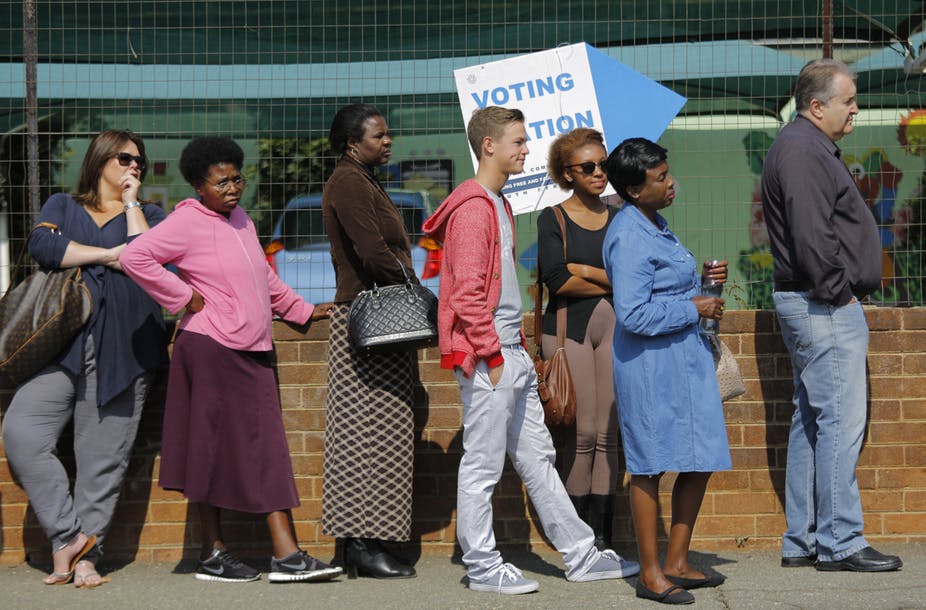
“The IEC has confirmed that 136,790 candidates will contest 10,526 municipal seats in the upcoming 4 November 2026 local government elections, a sharp increase from 95,427 candidates in 2021. This surge underscores heightened political competition, with ballots expected to be crowded and logistical adjustments already underway.”
South Africa’s democratic landscape is preparing for one of its most competitive local government elections in history. On 16 September 2026, the Independent Electoral Commission (IEC) announced the certification of 136,790 candidates to contest seats across metropolitan, district, and local municipalities. This record-breaking figure represents a 43% increase compared to the 2021 local elections, signaling both the vibrancy and complexity of the country’s political environment.
Candidate Breakdown
- Ward Candidates: 98,219
- Proportional Representation (PR) Candidates: 38,571
- Independent Candidates: Only 621 (0.5% of the field)
- Party-Affiliated Candidates: 99.5% of the total
This overwhelming dominance of party-affiliated candidates reflects the entrenched role of political parties in shaping local governance.
Gender and Age Representation
- Men: 85,263 (62%)
- Women: 51,527 (38%)
- Youth (18–39 years): 32% of candidates
While the IEC celebrated the sheer scale of participation, concerns remain about youth underrepresentation, a recurring theme in South African politics.
Certification Process
The certification followed a rigorous process:
- Candidate nominations closed on 28 August 2026.
- Parties and independents were required to submit identification documents and acceptance forms.
- 5,096 candidates were disqualified for failing to meet statutory requirements.
- Notices were issued to 221 parties and independents to correct documentation errors.
- Duplicate nominations (550 cases) were resolved before final certification.
Logistical Challenges
The sheer number of candidates has forced the IEC to rethink ballot design:
- Johannesburg: 75 parties competing for PR seats.
- Tshwane: 70 parties.
- eThekwini: 69 parties.
- Cape Town: 55 parties.
In some wards, ballots will feature double-column layouts to accommodate the volume of candidates. For example, Johannesburg’s Ward 18 has 63 ward candidates alone.
Political Implications
The expanded candidate pool reflects:
- Fragmentation of political competition, with smaller parties seeking local influence.
- Strategic positioning by major parties such as the ANC, DA, and EFF, who face challenges from emerging movements like ActionSA and the Patriotic Alliance.
- Potential voter confusion, as crowded ballots may complicate decision-making.
Analysts warn that while the increase in candidates demonstrates democratic participation, it may also dilute voter clarity and strain electoral logistics.
Public Holiday Declaration
President Cyril Ramaphosa has declared 4 November 2026 a public holiday, ensuring maximum voter turnout and reinforcing the importance of local governance in South Africa’s democratic framework.
Voter Impact
For voters, the certification means:
- Greater choice across municipalities.
- More competitive races, especially in metros like Johannesburg, Tshwane, and Cape Town.
- Potential delays at polling stations due to longer ballots and verification processes.
The IEC has promised glitch-free elections with faster queues, emphasizing its commitment to efficiency despite the logistical challenges.
Conclusion
The certification of 136,790 candidates marks a historic milestone in South Africa’s democratic journey. While the scale of participation underscores political vibrancy, it also raises questions about representation, ballot management, and voter clarity. As the nation prepares for Election Day on 4 November 2026, the IEC faces the dual challenge of ensuring both inclusivity and efficiency in one of the most complex local elections ever held.



