




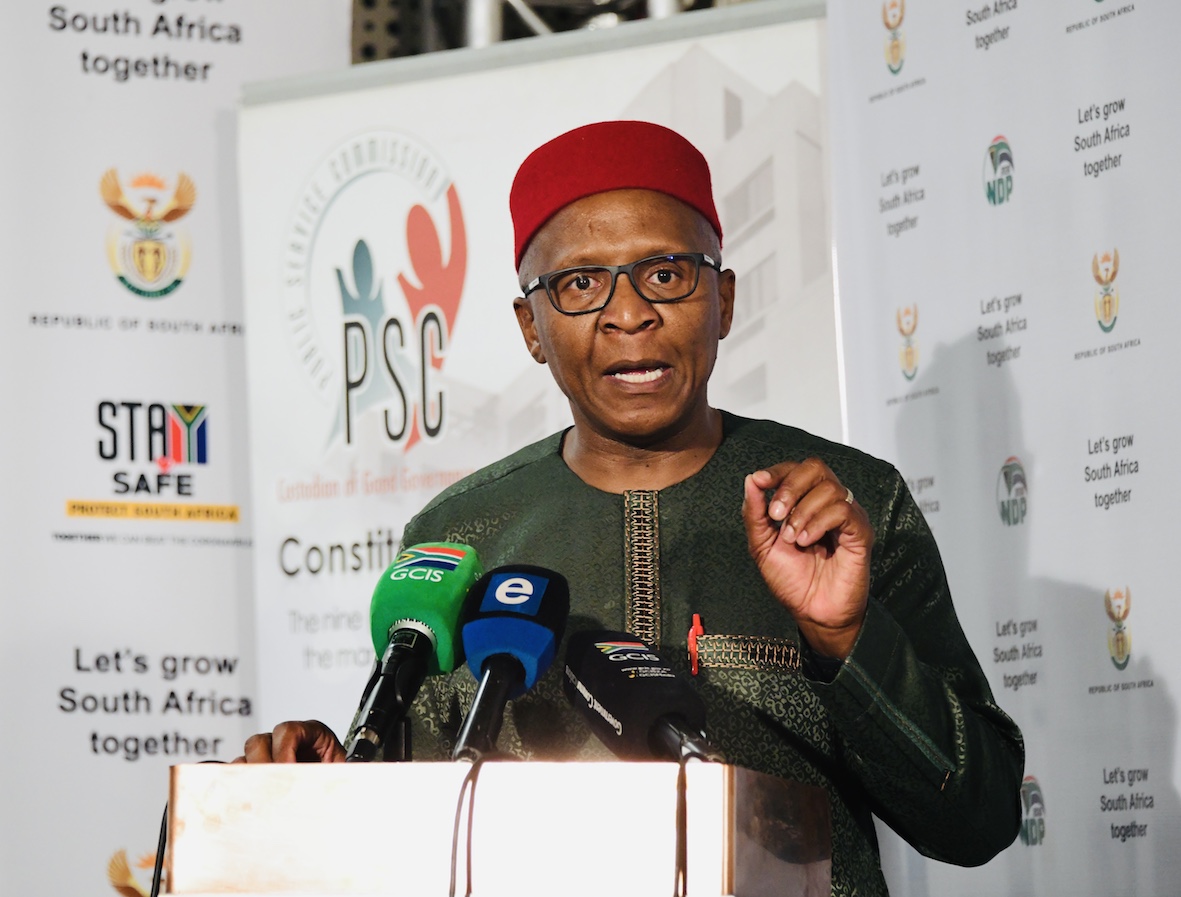
“President Cyril Ramaphosa has signed the Public Service Commission Bill into law, granting the PSC expanded authority over municipalities and state-owned enterprises. Commissioner Anele Gxoyiya emphasized that the reforms will strengthen accountability and ethical leadership, though budgetary challenges remain a pressing concern.”
South Africa’s governance landscape entered a new chapter today as President Cyril Ramaphosa signed the Public Service Commission (PSC) Bill into law. This legislation represents one of the most significant reforms in public sector oversight since the democratic transition, reshaping accountability structures across municipalities, public entities, and state-owned enterprises. Commissioner Anele Gxoyiya, a key figure in the PSC, unpacked the implications of the reforms, highlighting both opportunities and challenges.
Background of the PSC
The PSC has historically functioned as the guardian of ethical conduct within the national and provincial public service. Its mandate has been to monitor compliance with constitutional principles, investigate maladministration, and promote professional standards. However, its reach was limited, leaving local government and state-owned enterprises outside its direct oversight. This gap contributed to persistent governance failures, particularly in municipalities plagued by corruption, mismanagement, and service delivery breakdowns.
Key Provisions of the New Bill
The newly enacted legislation expands the PSC’s jurisdiction to include:
- Local government oversight: Covering approximately 250 municipalities nationwide.
- State-owned enterprises (SOEs): Extending accountability to entities such as Eskom, Transnet, and SAA.
- Independent secretariat: Transforming the PSC’s support office into an autonomous body, enhancing institutional independence.
- Consequence management: Introducing stricter enforcement mechanisms for non-compliance, ensuring that officials face tangible repercussions for misconduct.
Commissioner Gxoyiya emphasized that these reforms were passed with overwhelming parliamentary support, signaling strong political will to address systemic governance weaknesses.
Political and Institutional Significance
The Bill’s passage marks a milestone in governance reform, aligning with broader efforts to restore public trust in institutions. For years, South Africans have expressed frustration with corruption scandals, collapsing municipalities, and failing SOEs. By empowering the PSC, government aims to rebuild confidence in the state’s ability to deliver services effectively and ethically.
Budgetary Concerns
Despite the optimism, civil society and business groups have raised alarms about the PSC’s budgetary capacity. Expanding oversight to hundreds of municipalities and dozens of SOEs requires significant resources. Gxoyiya acknowledged these concerns, noting that the PSC has already struggled under its existing budget. National Treasury has promised to assist, but the PSC must provide detailed costings to justify increased allocations. Without adequate funding, the reforms risk being undermined by implementation challenges.
Stakeholder Reactions
- Civil society organizations welcomed the reforms but stressed the need for transparency in budget allocation.
- Business bodies highlighted the importance of effective oversight in stabilizing SOEs, which are critical to economic growth.
- Political analysts noted that while the Bill strengthens institutional frameworks, its success will depend on consistent enforcement and resistance to political interference.
Implementation Challenges
The PSC faces several hurdles in operationalizing its expanded mandate:
- Capacity building: Recruiting skilled personnel to manage investigations across diverse institutions.
- Coordination: Ensuring seamless collaboration with municipal councils and SOE boards.
- Resistance: Navigating potential pushback from entrenched interests within local government and state enterprises.
Gxoyiya expressed confidence that the PSC is prepared to confront these challenges, relying on the clear enforcement mechanisms embedded in the legislation.
Broader Governance Context
The reforms come at a time when South Africa is grappling with multiple governance crises:
- Municipal collapse: Many municipalities face insolvency, poor service delivery, and corruption scandals.
- SOE instability: Eskom’s energy crisis and Transnet’s logistical bottlenecks have crippled economic growth.
- Public trust deficit: Citizens’ confidence in government institutions remains low, with widespread perceptions of corruption and inefficiency.
By strengthening oversight, the PSC Bill seeks to address these systemic issues, positioning governance as a cornerstone of national recovery.
Conclusion
The signing of the Public Service Commission Bill represents a turning point in South Africa’s governance trajectory. While the reforms promise enhanced accountability and ethical leadership, their success hinges on adequate funding, effective implementation, and resilience against political interference. For citizens, the legislation offers hope that governance failures will be addressed more decisively, paving the way for improved service delivery and restored trust in public institutions.



