




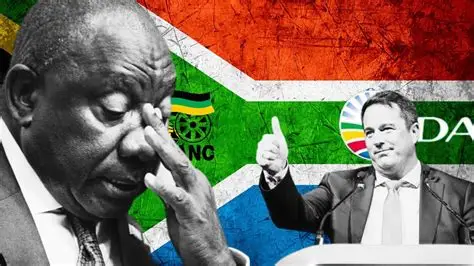
“Former President Jacob Zuma has officially resigned from the MK Party following escalating internal disputes over governance and leadership. His departure, alongside mass resignations of senior officials, leaves the party’s future uncertain as speculation grows about possible dissolution or rebranding.”
Jacob Zuma’s resignation from the MK Party on August 10, 2026, represents one of the most significant developments in South Africa’s political arena this year. The move comes after weeks of mounting internal strife, with senior officials abandoning the party amid accusations of authoritarian leadership and family-centered influence. The announcement has sent shockwaves through the political landscape, reshaping debates about party governance, accountability, and the future of populist movements in South Africa.
Background of the MK Party
The MK Party, named after the historic uMkhonto weSizwe armed wing of the ANC, was launched in 2024 as Zuma’s political comeback vehicle. Initially, it capitalized on Zuma’s loyal support base in KwaZulu-Natal and parts of Gauteng, gaining traction among voters disillusioned with the ANC’s corruption scandals and service delivery failures. However, critics argued that the MK Party was less a structured political institution and more a personality-driven movement centered on Zuma himself.
Internal Governance Conflicts
Reports from insiders reveal that disputes over decision-making and the centralization of power around Zuma and his family triggered the mass resignations. One insider bluntly stated: “It’s Zuma’s shop, and he will run it the way he wants.” This sentiment underscores the lack of internal democracy within the party, which has long been criticized for failing to establish transparent governance structures.
The Resignation
Zuma’s resignation was formally acknowledged by the Electoral Commission of South Africa (IEC), which confirmed receipt of leadership change notifications. His departure follows a wave of resignations by senior officials on August 9, 2026, leaving the party’s leadership hollowed out. Analysts suggest that Zuma’s exit may have been a strategic retreat, aimed at avoiding further reputational damage as internal divisions became public.
Broader Political Implications
The resignation raises critical questions about the MK Party’s viability. Without Zuma’s leadership, the party risks losing its identity and voter base. Speculation about dissolution or rebranding has intensified, though no official confirmation has been made. Political analysts argue that the MK Party’s collapse could benefit larger opposition parties such as the Economic Freedom Fighters (EFF) and the Inkatha Freedom Party (IFP), both of which are vying for influence in Zuma’s traditional strongholds.
Impact on South Africa’s Political Landscape
South Africa’s politics are already in flux following the ANC’s loss of its majority in the July 2026 elections, which forced it into a coalition with the Democratic Alliance (DA). Zuma’s resignation adds another layer of uncertainty, potentially fragmenting the populist vote and reshaping coalition negotiations. Smaller parties may now gain leverage, while the ANC-DA coalition seeks stability in governance.
Reactions from Other Parties
The IFP, under President Velenkosini Hlabisa, has used the moment to call for greater female representation in municipal leadership. Hlabisa emphasized that women have consistently demonstrated resilience and accountability in managing public resources, positioning the IFP as a reformist alternative amid the chaos engulfing the MK Party.
Public Sentiment
Public reaction has been mixed. Zuma’s loyal supporters view his resignation as a betrayal, while critics argue it was inevitable given the party’s lack of institutional depth. Social media platforms have been flooded with debates, with some calling for Zuma to retire from politics entirely, while others speculate he may attempt another comeback under a different banner.
Future Outlook
The MK Party’s future remains uncertain. If it dissolves, its voter base could disperse among the EFF, IFP, and smaller regional movements. Alternatively, a rebranding effort could attempt to salvage its identity, though without Zuma’s charisma, success appears unlikely.
Conclusion
Jacob Zuma’s resignation from the MK Party is more than a personal decision—it symbolizes the fragility of personality-driven politics in South Africa. As the ANC navigates coalition governance and opposition parties reposition themselves, Zuma’s departure underscores the need for institutional resilience, democratic accountability, and leadership renewal in South Africa’s evolving democracy.



