




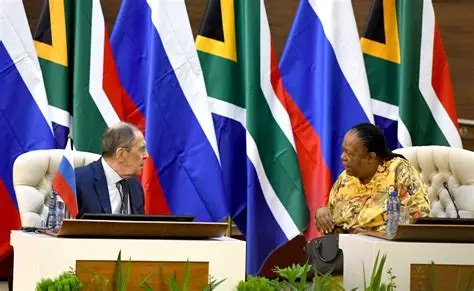
“South Africa has formally taken over the chairmanship of the Southern African Development Community (SADC), positioning itself to steer the bloc through critical issues of trade, security, and climate resilience. President Cyril Ramaphosa’s leadership is expected to shape regional priorities while balancing national interests with collective solidarity.”
South Africa officially assumed the chairmanship of the Southern African Development Community (SADC), a regional bloc of 16 member states. This transition, announced during preparatory meetings in Durban, represents a significant milestone in South Africa’s foreign policy and international relations agenda. As the continent’s most industrialized economy and a prominent member of BRICS and the African Union, Pretoria’s leadership is expected to shape regional priorities in trade, infrastructure, and security cooperation.
Historical Context
SADC, established in 1980, has long been a cornerstone of regional cooperation in Southern Africa. Its mandate includes promoting economic integration, peace, and collective self-reliance. South Africa’s leadership role within SADC has historically been influenced by its post-apartheid foreign policy, which emphasizes human rights, democracy, and regional solidarity. The current chairship builds on this legacy, aligning with Pretoria’s broader international relations agenda.
Strategic Priorities
South Africa’s chairmanship is expected to focus on several key areas:
- Regional Trade Integration: Strengthening customs union reforms and harmonizing border management protocols.
- Security Cooperation: Enhancing collaboration against transnational crime, terrorism, and instability.
- Infrastructure Development: Accelerating investment in transport corridors, energy grids, and digital infrastructure.
- Agricultural Transformation: Promoting food security and sustainable farming practices.
- Climate Resilience: Addressing climate shocks through renewable energy and sustainable agriculture.
Thematic Focus of the 46th SADC Summit
The 46th SADC Summit, scheduled for August 16–17, 2026, will be held under the theme: “Resilient, Sustainable and Inclusive Industrialisation through Infrastructure Development, Agricultural and Critical Minerals Transformation in Pursuit of a Just World.”
This theme reflects Pretoria’s ambition to align regional development with global economic shifts, particularly the demand for critical minerals in renewable energy and technology sectors.
Challenges Ahead
Despite optimism, South Africa faces several challenges:
- Balancing National and Regional Interests: Ensuring Pretoria’s priorities align with those of other SADC members.
- Geopolitical Pressures: Navigating tensions between global powers while maintaining regional autonomy.
- Climate Vulnerabilities: Addressing droughts, floods, and energy shortages that threaten stability.
- Institutional Effectiveness: Strengthening SADC’s decision-making mechanisms and accountability structures.
International Relations Dimension
South Africa’s assumption of the SADC chairmanship comes at a time when global geopolitical tensions are reshaping alliances. As a member of BRICS, Pretoria is expected to leverage its position to promote South-South cooperation while balancing relations with Western partners. The chairmanship also provides an opportunity to advance African Union Agenda 2063, which envisions a prosperous and integrated continent.
Conclusion
South Africa’s leadership of SADC in 2026–27 is more than a ceremonial role; it is a strategic opportunity to influence the trajectory of regional integration and resilience. With President Cyril Ramaphosa at the helm, Pretoria must navigate complex challenges while advancing a vision of inclusive industrialisation, sustainable development, and collective security. The coming year will test South Africa’s ability to balance domestic priorities with regional solidarity, positioning itself as a pivotal actor in African and global politics.



