




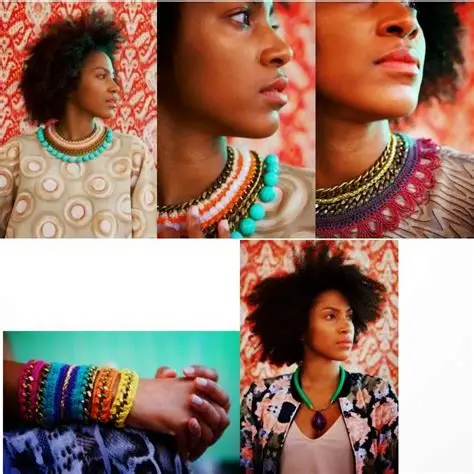
“South African fashion in 2026 is witnessing a dramatic shift as accessories—jewelry, handbags, and sunglasses—become the defining elements of style, dominating runways in Johannesburg and Cape Town. This transformation blends cultural heritage with sustainability, positioning South Africa as a global leader in accessory-driven fashion.”
In 2026, South Africa’s fashion industry is undergoing a profound transformation. Accessories, once considered secondary, have emerged as the defining elements of style. Jewelry, handbags, and sunglasses are no longer mere complements to clothing; they are the focal points of fashion collections, reshaping consumer behavior and positioning South Africa as a global leader in accessory-driven fashion. This shift reflects both cultural pride and sustainability, aligning with global fashion trends while maintaining a distinctly South African identity.
Accessories as Fashion’s New Powerhouse
Designers across Johannesburg and Cape Town are deliberately simplifying garments, allowing accessories to carry creative weight. Oversized necklaces, sculptural handbags, and bold sunglasses dominate collections, turning accessories into the primary vehicle of self-expression. Consumers embrace this change as a cost-effective way to refresh wardrobes without buying entirely new outfits. Accessories now serve as investment pieces, elevating minimalist outfits and reflecting versatile fashion choices.
Jewelry Renaissance
At the heart of this transformation is jewelry. Local designers merge traditional beadwork and indigenous motifs with luxury standards, producing beaded necklaces, chunky rings, and gemstone-studded earrings that embody heritage while appealing to global tastes. The revival of beadwork has become a symbol of cultural pride, blending artistry with modern elegance. This renaissance is deeply cultural, reaffirming identity in a globalized fashion landscape.
Handbags as Sculptural Statements
Handbags have evolved into sculptural art pieces. Designers are experimenting with bold shapes, textures, and materials, creating handbags that double as wearable art. These pieces are not just functional accessories but cultural statements, reflecting South Africa’s innovative spirit. Sculptural handbags are increasingly seen on international runways, reinforcing the country’s growing influence in global fashion.
Sunglasses and Bold Identity
Statement sunglasses are another defining accessory of 2026. Oversized frames, geometric shapes, and vibrant colors dominate collections. Sunglasses are no longer just protective eyewear; they are identity markers, reflecting individuality and confidence. South African designers are pushing boundaries by incorporating recycled materials and futuristic designs, aligning with both sustainability and bold aesthetics.
Sustainability and Ethical Fashion
Sustainability is central to this accessory revolution. Designers are incorporating recycled materials, biodegradable textiles, and ethical production practices. Accessories are no longer “extras” but symbols of cultural pride and environmental responsibility. This aligns South Africa with global sustainability goals while reinforcing its leadership in innovative fashion.
Consumer Behavior and Market Impact
Consumers are increasingly viewing accessories as investment pieces. Instead of purchasing new wardrobes, they refresh outfits with bold jewelry, handbags, or sunglasses. This shift is cost-effective and sustainable, reducing waste while encouraging creativity. Accessories have become the primary vehicle for self-expression, reshaping consumer behavior and positioning South Africa as a global leader in accessory-driven fashion.
Global Recognition
South African accessories are gaining recognition on international runways. Sculptural handbags, beaded jewelry, and bold sunglasses are increasingly seen in Paris, London, and New York. This global recognition reinforces South Africa’s growing influence in fashion, positioning it as a leader in accessory-driven design.
Conclusion
The Jewelry Renaissance marks a turning point in South African fashion. Accessories have moved from supporting details to the centerpiece of style, reshaping consumer behavior and positioning South Africa as a global leader in accessory-driven fashion. This transformation blends cultural heritage with sustainability, reaffirming identity in a globalized fashion landscape.



