




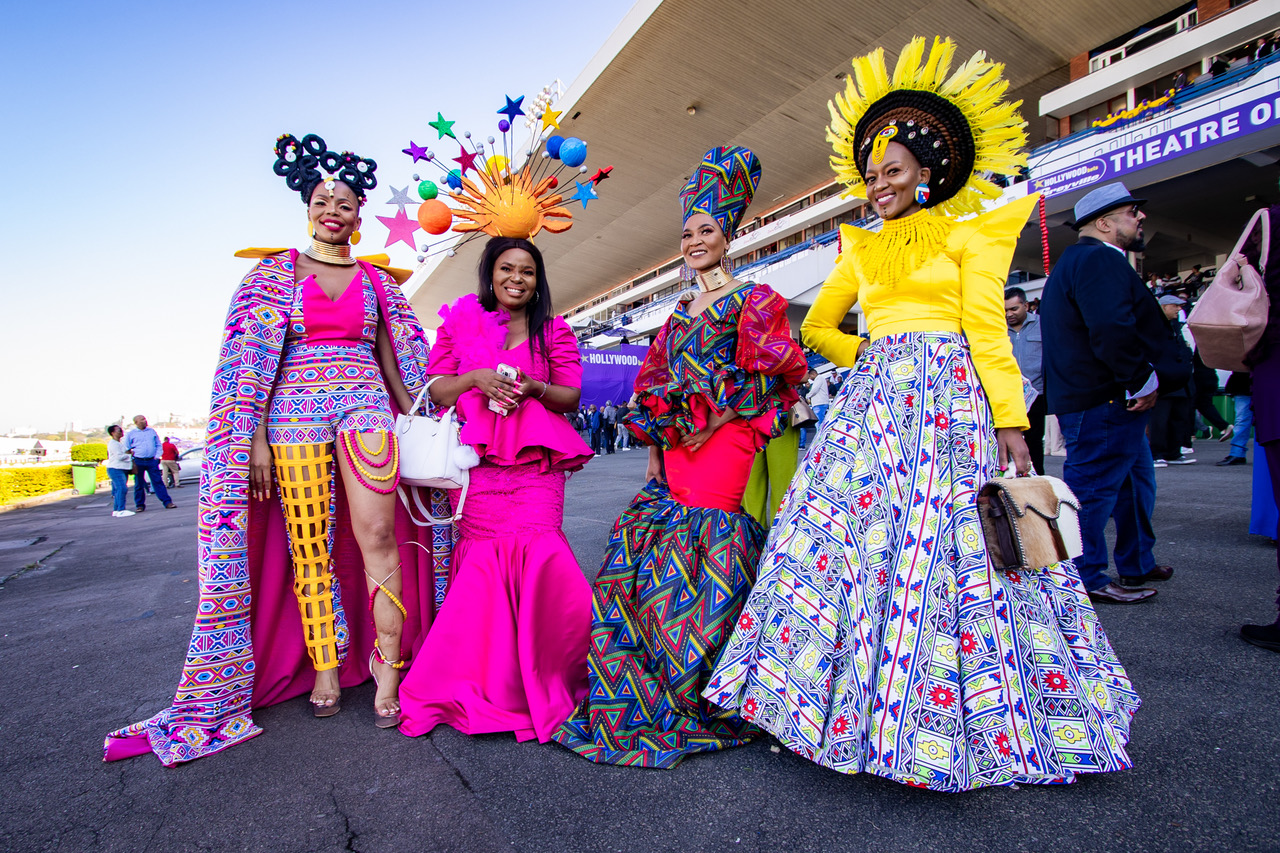
”South African accessories have shifted from supporting roles to becoming the defining elements of fashion in 2026, with jewelry, handbags, and statement sunglasses commanding runways in Johannesburg and Cape Town. This transformation blends cultural heritage with sustainability, empowering artisans and reshaping South Africa’s global fashion identity.”
In 2026, South Africa’s fashion industry is undergoing a profound transformation. Accessories—once considered secondary embellishments—are now the centerpiece of style. Jewelry, handbags, and statement sunglasses dominate collections, reshaping consumer behavior and positioning South Africa as a global leader in accessory-driven fashion.
Accessories as Fashion’s New Powerhouse
- Oversized necklaces, sculptural handbags, and bold sunglasses are defining collections.
- Designers deliberately simplify garments, allowing accessories to carry creative weight.
- Consumers embrace accessories as a cost-effective way to refresh wardrobes without buying entirely new outfits.
- Accessories are now the primary vehicle of self-expression, offering affordability and individuality.
Jewelry Renaissance
- Local designers merge traditional beadwork and indigenous motifs with luxury standards.
- Beaded necklaces, chunky rings, and gemstone-studded earrings embody heritage while appealing to global tastes.
- The revival of beadwork has become a symbol of cultural pride, blending artistry with modern elegance.
- Jewelry is no longer just adornment—it is a statement of identity and heritage.
Sustainability and Ethical Fashion
- Accessories are increasingly produced with recycled metals and ethically sourced gemstones.
- Artisans emphasize slow fashion, creating pieces meant to last rather than fast-consumption trends.
- Consumers are drawn to accessories that tell a story of heritage and responsibility.
- Sustainability is not just a trend—it is becoming the core value of South African accessory design.
Global Influence
- Johannesburg and Cape Town designers are featured in Paris and Milan showcases.
- Accessories are marketed as symbols of African innovation, blending tradition with modernity.
- Global buyers highlight South Africa’s unique fusion of culture and sustainability.
- South African accessories are now exported worldwide, positioning the country as a hub of accessory-driven fashion.
Consumer Trends
- Accessories are now investment pieces, with consumers prioritizing quality over quantity.
- Statement jewelry elevates minimalist outfits, reflecting a shift toward versatile fashion.
- Younger consumers embrace accessories as identity markers, aligning with digital-age aesthetics.
- Accessories are deliberately positioned as defining elements of fashion, not mere add-ons.
Case Studies
- Ubuntu Times reports that accessories are deliberately positioned as defining elements of fashion.
- Influencers showcase accessories as central to their style narratives, amplifying their cultural resonance.
- Designers like Gert-Johan Coetzee integrate accessories into couture, proving their role in luxury fashion.
Conclusion
The Jewelry Renaissance marks a turning point in South African fashion. Accessories are no longer optional—they are essential. By blending heritage, sustainability, and global influence, South African designers and artisans are reshaping the fashion landscape, proving that accessories can define identity, elevate style, and carry cultural meaning.



