




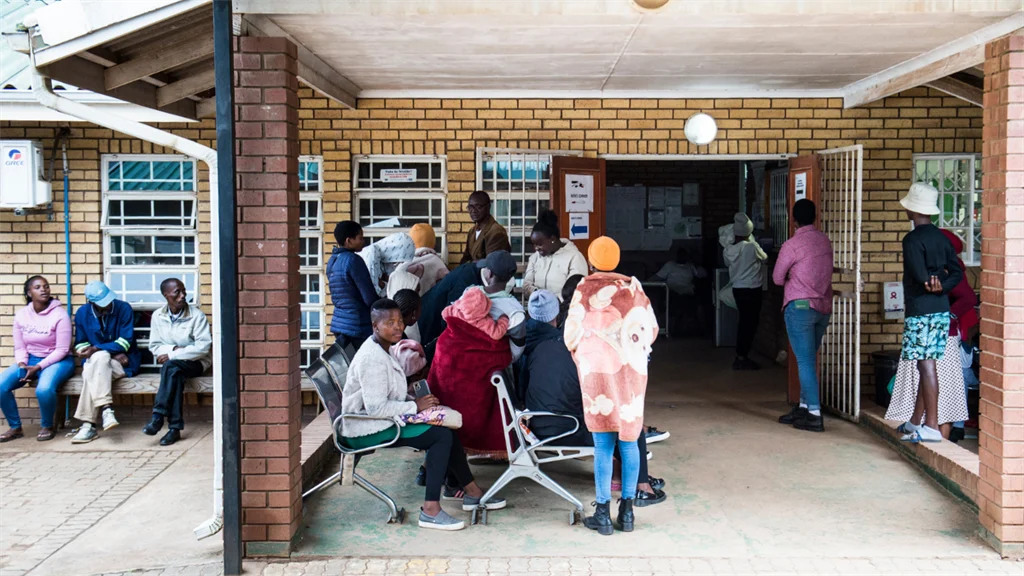
“South Africa is experiencing widespread shortages of essential medicines, forcing clinics to turn patients away and leaving many without treatment. The crisis stems from manufacturing challenges, regulatory pricing issues, and global supply chain disruptions, with shortages expected to last until November 2026.”
South Africa’s healthcare system is grappling with one of its most pressing challenges in recent years: a nationwide shortage of essential medicines. From epilepsy treatments to contraceptives and antibiotics, the crisis has left patients vulnerable, doctors frustrated, and policymakers scrambling for solutions. The shortages, which have persisted for months, highlight systemic weaknesses in pharmaceutical manufacturing, regulatory frameworks, and global supply chains.
Scope of the Shortage
The Department of Health’s internal “hot list” reveals staggering backlogs:
- Simvastatin 10mg (cholesterol medication): 1.6 million orders outstanding
- Folic acid 5mg: 1.58 million orders outstanding
- Mebendazole 500mg (deworming): 1.93 million orders outstanding
- Paracetamol, amoxicillin, iron supplements, and contraceptives also severely affected
In the Western Cape, nurses report turning away patients needing blood pressure and cholesterol medication. Physicians, like Dr. Michael le Roux in Cape Town, are forced to prescribe alternatives, often with new side effects and higher costs.
Causes of the Crisis
Several factors converge to explain the shortages:
- Single Exit Price (SEP) System: The government’s regulated pricing mechanism has capped increases at just 1.47% for 2026, far below inflation (3.6%) and salary growth (6%). Manufacturers argue they cannot sustain production at such low margins.
- SAHPRA Regulatory Interventions: Compliance requirements have slowed local production, with some facilities closing.
- Global Supply Chain Disruptions: The Middle East conflict has rerouted shipping lanes, delaying deliveries by up to a month.
- Local Manufacturing Decline: South Africa’s pharmaceutical industry is shrinking, reducing domestic capacity to meet demand.
Impact on Patients
The human cost is immense. Patients dependent on chronic medication face interruptions that can worsen conditions or trigger relapses. Women seeking contraceptives are left without options, raising public health concerns. In poorer communities, where alternatives are unaffordable, the shortages deepen inequality in healthcare access.
Private Sector Response
Retail pharmacy chains like Clicks and Dis-Chem report mixed experiences. Clicks acknowledges shortages but says alternatives are available, while Dis-Chem claims it has managed to secure substitutes. However, these alternatives are often more expensive, limiting accessibility for low-income patients.
Expert Opinions
Dr. Stavros Nicolaou, chairperson of Pharmisa, warns that the local manufacturing industry is in crisis. He emphasizes that without reforms to the SEP system and greater government support, shortages will continue. Nicolaou also highlights rising production costs, with some medicines seeing increases of 30–40% due to oil price shocks.
Government Response
The Department of Health has acknowledged the shortages but insists efforts are underway to stabilize supply. Officials are engaging with manufacturers and distributors to address bottlenecks. However, critics argue that without structural reforms, these measures will only provide temporary relief.
Broader Implications
The crisis underscores the fragility of South Africa’s healthcare system. It raises questions about the sustainability of current pricing policies, the resilience of local manufacturing, and the country’s dependence on global supply chains. If unresolved, the shortages could erode public trust in healthcare institutions and exacerbate health inequalities.
Conclusion
South Africa’s medicine shortage is more than a logistical hiccup—it is a systemic crisis demanding urgent reform. Addressing the SEP system, supporting local manufacturing, and ensuring transparent communication with the public are critical steps. Without decisive action, millions of South Africans will continue to face the devastating consequences of a healthcare system unable to deliver the most basic of needs: access to essential medicines.



