




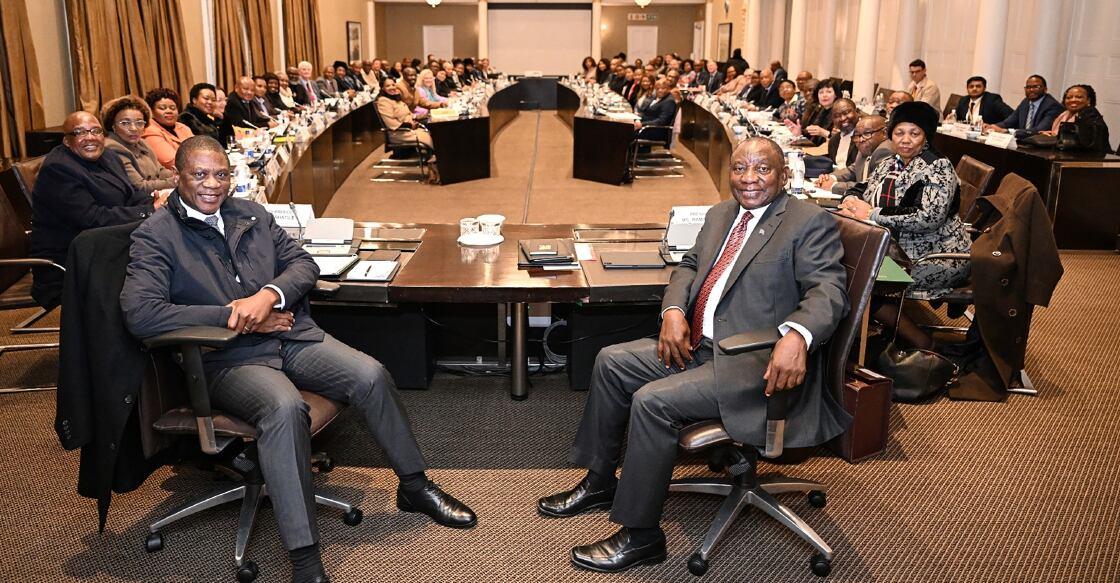
“South Africa’s 2026 local government election results have triggered a major political realignment, with the African National Congress (ANC) losing substantial support and numerous municipalities requiring coalition governments. The Democratic Alliance (DA), uMkhonto weSizwe (MK) Party, ActionSA, Economic Freedom Fighters (EFF), and smaller political parties are entering negotiations that could reshape municipal leadership and governance across the country.”
South Africa’s Political Parties Prepare for a New Coalition Era as Local Election Results Reshape Municipal Power
South Africa entered a decisive political moment on 7 November 2026 as political parties prepared for extensive coalition negotiations following a dramatic shift in the country’s local government election results. The electoral outcome has weakened the African National Congress (ANC), strengthened opposition parties in several metropolitan areas, and placed smaller political organisations in influential positions as municipalities prepare to establish new governing arrangements.
The 2026 local government elections have demonstrated that South Africa’s political landscape continues to evolve beyond the traditional dominance of the ANC. For decades, the governing party maintained considerable influence over municipal administrations across the country. However, growing dissatisfaction with service delivery, unemployment, corruption allegations, infrastructure challenges, and local governance failures has increasingly influenced voter behaviour.
According to preliminary results reported by international and South African media, the ANC experienced a substantial decline in electoral support, while the Democratic Alliance (DA) strengthened its position in several urban centres. Meanwhile, the MK Party demonstrated significant political influence, particularly in KwaZulu-Natal, and ActionSA emerged as an important potential coalition partner in Gauteng’s metropolitan municipalities.
ANC Faces Significant Electoral Pressure
The ANC’s electoral performance represents one of the most consequential developments in South African party politics since the country’s democratic transition in 1994.
Preliminary election reporting indicated that the party’s national support had fallen considerably compared with the 2021 municipal elections. The decline reflects growing frustration among voters who increasingly expect political organisations to demonstrate practical improvements in municipal services, economic opportunities, infrastructure, and public accountability.
The party’s weakened position has created difficult political circumstances in municipalities where it previously governed independently. Instead of relying exclusively on its electoral majority, the ANC must now consider partnerships with other political organisations to maintain influence over municipal administrations.
ANC Deputy Secretary-General Nomvula Mokonyane indicated that the party remained open to coalition discussions with political organisations prepared to support its governing priorities. However, the ANC leadership has also emphasised the importance of political stability and alignment with its policy commitments.
The party faces a difficult strategic choice. It must preserve its political identity while demonstrating flexibility in negotiations that could determine its future municipal influence.
Its declining electoral support also raises broader questions about internal organisational renewal, leadership accountability, and whether the party can rebuild public confidence before the next national election cycle.
Democratic Alliance Positions Itself for Coalition Leadership
The Democratic Alliance has emerged as one of the principal beneficiaries of the electoral changes.
The party strengthened its performance in several metropolitan municipalities, including Johannesburg, Tshwane, and Ekurhuleni. Its increased electoral influence has positioned it to negotiate for mayoral positions and other important responsibilities in coalition administrations.
DA leaders have indicated that coalition discussions should prioritise governance, municipal stability, and improved service delivery rather than political appointments alone.
The party’s leadership has also stressed that negotiations must respect the electoral mandates received by participating organisations. This approach reflects the recognition that coalition partners will need to accommodate competing interests while establishing workable governing arrangements.
However, coalition negotiations could present significant challenges for the DA.
Although the party may secure important positions in metropolitan administrations, it will need sufficient support from other political organisations to establish stable council majorities. Differences over economic policy, transformation, public spending, land reform, and municipal priorities could complicate negotiations.
DA leaders have also expressed reservations about partnerships involving the EFF and MK Party, indicating that ideological differences and concerns about governance could influence coalition decisions.
These positions could narrow the party’s available coalition options in some municipalities while creating opportunities for partnerships with ActionSA and other smaller organisations.
MK Party Emerges as an Influential Political Force
The uMkhonto weSizwe Party has become another major participant in South Africa’s changing political environment.
Led by former president Jacob Zuma, the party has established considerable electoral influence in KwaZulu-Natal and demonstrated its ability to challenge established political organisations.
Its performance has complicated the ANC’s traditional dominance in the province and created new possibilities for coalition negotiations in municipalities such as eThekwini.
MK Party representatives have indicated that coalition agreements must reflect their political principles, particularly their positions on land reform, economic transformation, and the distribution of public resources.
The party has expressed willingness to engage in discussions with organisations that share its ideological priorities. Nevertheless, its relationships with other political parties could prove complicated because of substantial differences in policy and political strategy.
In eThekwini, the MK Party’s electoral influence places it in a potentially decisive position. Depending on the final council composition, negotiations involving the party could determine municipal leadership and governing arrangements.
Its emerging role illustrates how South Africa’s political competition has become increasingly fragmented, creating opportunities for newer political organisations to influence local government.
ActionSA Becomes a Potential Kingmaker
ActionSA has emerged as one of the important smaller political organisations in the coalition negotiations.
Its performance in Gauteng’s metropolitan municipalities has strengthened its bargaining position and created opportunities to influence governing arrangements in Johannesburg, Tshwane, and Ekurhuleni.
The party has indicated that it is prepared to negotiate with different political organisations while protecting its independence and policy priorities.
ActionSA leader Herman Mashaba has resisted suggestions that the party should automatically align itself with a particular coalition arrangement. Instead, the organisation has emphasised its right to determine partnerships according to its political interests and electoral mandate.
The party’s growing influence highlights the importance of smaller political organisations in fragmented municipal councils.
Where larger parties lack sufficient seats to govern independently, ActionSA could secure substantial influence through negotiations over executive responsibilities, municipal policies, and service delivery priorities.
However, the organisation must also manage the political risks associated with coalition participation.
Entering a coalition could increase its governing influence, but unstable partnerships or unpopular municipal decisions could damage its reputation among voters.
Its leadership will therefore need to balance political influence with accountability and the preservation of its organisational identity.
EFF and Smaller Parties Seek Influence
The Economic Freedom Fighters (EFF) also face important strategic decisions following their electoral performance.
The party has indicated that coalition participation should be guided by its policy commitments rather than an unconditional pursuit of political office.
EFF Secretary-General Marshall Dlamini has emphasised the importance of addressing unemployment, housing shortages, land inequality, and inadequate services in disadvantaged communities.
The party has also expressed opposition to coalition agreements that it believes would undermine its political principles.
These positions could complicate negotiations with the DA, particularly in municipalities where the two organisations have significant ideological differences.
Nevertheless, the EFF could remain an influential participant in councils where other political organisations lack sufficient votes to establish governing majorities.
Smaller political parties, including the Inkatha Freedom Party (IFP), Freedom Front Plus, Patriotic Alliance, and South African Communist Party (SACP), are also expected to influence negotiations in particular municipalities.
The SACP’s decision to contest local government elections independently for the first time represents another important development in South African party politics. Its electoral performance provides an indication of how political organisations within longstanding alliances are increasingly exploring independent electoral strategies.
Coalition Negotiations Become the Central Political Challenge
The immediate challenge facing political parties is transforming electoral outcomes into functional municipal administrations.
Hung councils require negotiations over mayoral appointments, council speakers, executive committees, and the distribution of political responsibilities.
However, successful coalitions require more than agreements concerning positions.
Municipal administrations must establish common policy priorities, financial management strategies, infrastructure programmes, and mechanisms for resolving disagreements between coalition partners.
Political analysts have repeatedly highlighted the difficulties associated with unstable coalitions in South Africa’s metropolitan municipalities.
Johannesburg, Tshwane, and Nelson Mandela Bay have experienced periods of political uncertainty involving competing parties, changing alliances, and disagreements over municipal leadership.
The 2026 elections could therefore produce either improved governance through negotiated cooperation or further instability if political organisations prioritise short-term political advantages over administrative effectiveness.
The DA’s position on avoiding excessively complicated coalition arrangements reflects concerns about the sustainability of partnerships involving numerous political organisations.
At the same time, the ANC’s willingness to explore different coalition possibilities indicates that political flexibility will be necessary in municipalities where its electoral support has declined.
The MK Party and ActionSA could also become important negotiating participants because their electoral influence may determine which larger organisations secure municipal leadership.
Service Delivery Remains the Defining Issue
Despite the political competition surrounding coalition negotiations, voters will ultimately judge municipal administrations according to their performance.
Residents across South Africa continue to face concerns involving electricity reliability, water infrastructure, road maintenance, refuse collection, housing, public transport, and municipal financial management.
These challenges have contributed to growing dissatisfaction with political organisations that fail to deliver meaningful improvements.
Coalition governments therefore face significant pressure to demonstrate that cooperation between political parties can produce better outcomes than unstable political arrangements.
Municipal administrations will need to prioritise infrastructure investment, transparent budgeting, effective procurement, and stronger accountability mechanisms.
Coalition agreements that fail to address these practical challenges could quickly lose public support.
Political parties must also recognise that voters increasingly have alternatives when evaluating their representatives.
The declining support experienced by the ANC demonstrates that historical political loyalty cannot indefinitely compensate for poor municipal performance.
Similarly, opposition parties will need to demonstrate that their electoral gains translate into effective administration rather than merely political victories.
South Africa’s Political Future Takes Shape
The 2026 local government elections represent a significant turning point for South African political parties.
The ANC remains a major national political organisation, but its declining municipal electoral support has reduced its ability to govern independently across numerous municipalities.
The DA has strengthened its position in several urban centres, while the MK Party has emerged as an important political force in KwaZulu-Natal.
ActionSA and other smaller organisations have gained opportunities to influence municipal governance through coalition negotiations.
These developments indicate that South Africa’s political system is becoming increasingly competitive and fragmented.
Coalition government is consequently becoming an important feature of municipal politics rather than an exceptional arrangement.
The effectiveness of these partnerships will depend on whether political parties can reconcile competing ideological positions with the practical responsibilities of governing municipalities.
For the ANC, the challenge is rebuilding public confidence and adapting to a more competitive electoral environment.
For opposition parties, the challenge is demonstrating that electoral victories and coalition agreements can deliver improved governance.
For smaller political organisations, the challenge is exercising influence without losing political credibility.
Ultimately, the coming negotiations will determine whether South Africa’s changing political landscape produces stronger municipal administrations or another period of uncertainty.
The decisions made by political party leaders during this crucial period will influence municipal governance, public service delivery, and the country’s broader political direction for years to come.



