




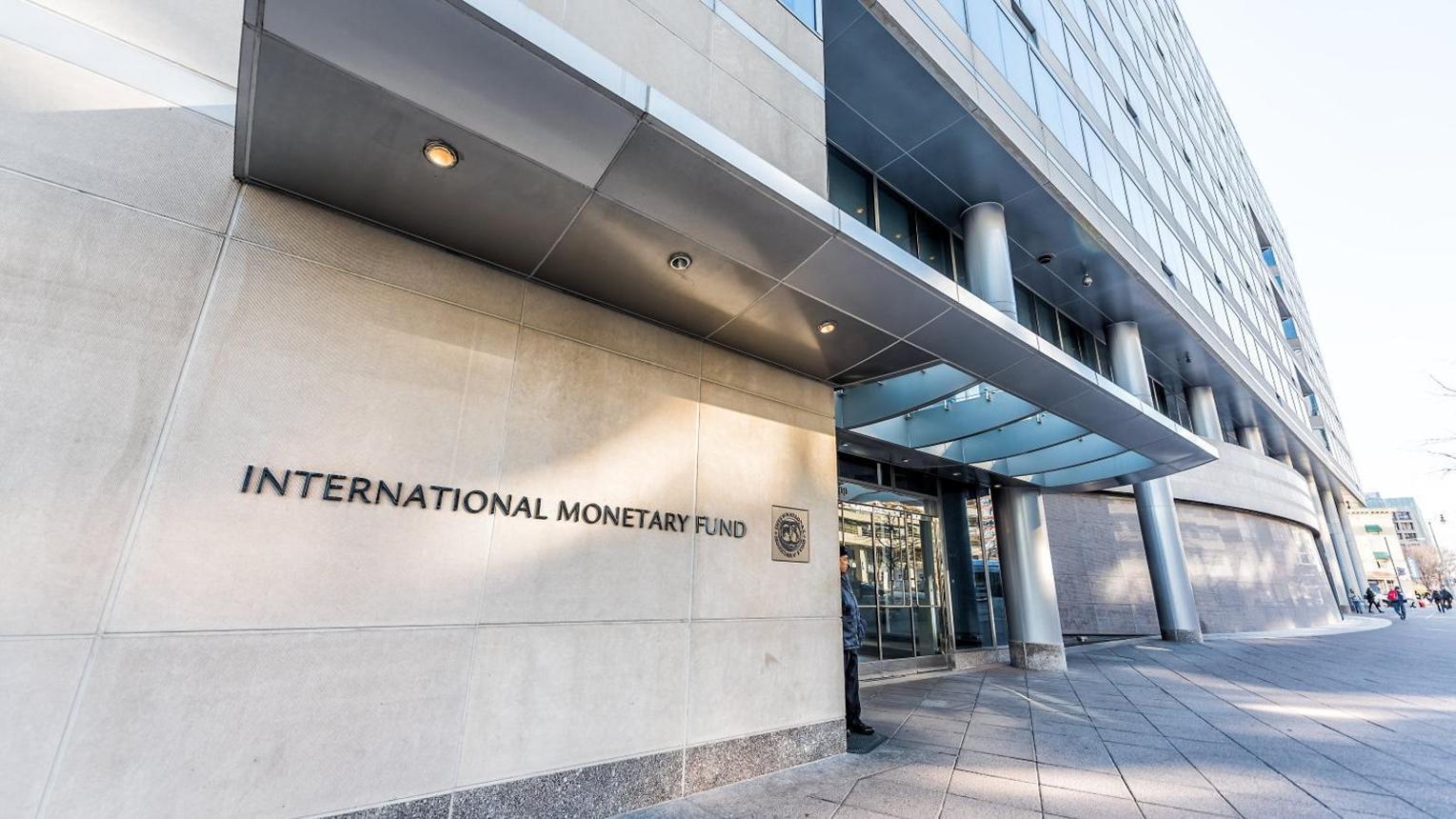
“The International Monetary Fund (IMF) has warned that prolonged political coalition negotiations in South African municipalities could weaken investor confidence and delay efforts to address persistent service-delivery challenges. The organisation says South Africa needs stronger governance, more efficient public spending and faster structural reforms to improve economic growth, attract investment and create employment.”
IMF Warns South Africa’s Political Coalition Deadlock Could Undermine Business Confidence and Economic Growth
Johannesburg, South Africa – 27 November 2026
South Africa faces renewed economic and business policy concerns following a warning from the International Monetary Fund (IMF) that prolonged coalition negotiations in municipalities could undermine investor confidence, weaken public administration and slow the country’s economic recovery. The warning comes at a critical time as political parties negotiate governing arrangements following the November 2026 local government elections, with several major metropolitan municipalities still facing challenges in establishing stable administrations.
The IMF believes that political instability, combined with slow structural reforms, could leave South Africa trapped in a prolonged period of weak economic growth, high unemployment and increasing public debt. The organisation has called for stronger governance, improved public spending, infrastructure investment and faster implementation of economic reforms to strengthen the country’s business environment.
The warning is particularly important for South African businesses because municipalities play a central role in providing the infrastructure and services required for economic activity. Reliable electricity, water, sanitation, roads, public transport, waste management and effective municipal administration are essential for companies operating across manufacturing, retail, mining, agriculture, construction, tourism and financial services.
According to a report published by Eyewitness News on Friday, 27 November, the IMF believes delays in establishing municipal administrations could complicate efforts to address longstanding service-delivery problems. It also warned that the country cannot afford to lose the reform momentum generated through initiatives such as Operation Vulindlela.
Political instability becomes a business policy concern
The formation of municipal coalition governments has become one of South Africa’s most significant governance challenges following the latest local government elections.
The elections produced a fragmented political landscape in which numerous municipalities did not give any single political party an outright majority. Consequently, political parties have had to negotiate coalition agreements, establish governing partnerships and determine how executive responsibilities will be distributed.
Although coalition governments are a legitimate part of democratic governance, disagreements between political parties can create uncertainty when negotiations become prolonged.
For businesses, political uncertainty is not simply a matter of political competition. It can influence investment decisions, procurement opportunities, infrastructure development and the reliability of municipal services.
Companies considering investments in South African municipalities need confidence that local administrations will remain operational, implement approved development plans and honour their financial and administrative commitments.
When coalition negotiations delay the establishment of municipal leadership, important decisions can become more difficult to implement. This may affect infrastructure projects, municipal budgets, procurement processes and initiatives designed to improve the local business environment.
The IMF’s warning therefore highlights the relationship between political stability and economic performance. A municipality that struggles to establish effective leadership may also struggle to create the conditions required for businesses to expand and employ additional workers.
Major metropolitan municipalities face governance pressure
The political negotiations have attracted particular attention because of their implications for major economic centres, including Johannesburg, Tshwane, Ekurhuleni and eThekwini.
These metropolitan areas are important to South Africa’s national economy because they host significant commercial, industrial, financial, manufacturing, logistics and retail activities.
Johannesburg, for example, is a major centre for financial services, professional businesses, corporate headquarters and commercial investment. Tshwane has an important administrative, manufacturing and industrial role, while Ekurhuleni contributes substantially to logistics, manufacturing and industrial production.
eThekwini is equally important because of its port infrastructure, manufacturing activities and contribution to international trade.
Political instability in these municipalities could affect the confidence of investors who depend on predictable local governance.
Business Day’s reporting on the IMF assessment highlighted concerns about coalition negotiations in these metropolitan areas and the consequences of municipal instability for service delivery.
The concerns are particularly relevant because municipalities are responsible for delivering services that directly influence operating costs.
For instance, unreliable water supply can disrupt manufacturing operations, food processing, hospitality businesses and commercial property activities. Poor road maintenance can increase transportation expenses, delay deliveries and affect supply chains.
Similarly, inefficient waste management and sanitation services can create additional costs for businesses, particularly those operating in tourism, healthcare, food production and retail.
The establishment of stable municipal administrations is therefore an important business policy priority.
IMF identifies structural reforms as an economic growth opportunity
Beyond the immediate political concerns, the IMF has emphasised that South Africa needs more ambitious structural reforms to improve its long-term economic performance.
The organisation believes a comprehensive reform package could increase the country’s economic output by approximately 9% over the medium term, potentially raising economic growth to as much as 4%.
This assessment demonstrates the potential economic benefits of addressing structural weaknesses that have constrained South Africa’s development.
For several years, the country has experienced relatively weak economic growth despite its substantial natural resources, developed financial sector, industrial capacity and strategic position within the African economy.
The IMF reported that South Africa’s economy has grown by less than 1% on average over the past decade. Persistent unemployment, high public debt and insufficient investment have continued to limit economic opportunities.
Structural reforms are intended to address these problems by improving the efficiency of markets, reducing barriers to business activity and strengthening the institutions responsible for delivering public services.
For businesses, effective reforms could improve access to infrastructure, reduce administrative obstacles and create a more predictable operating environment.
Potential beneficiaries include small and medium-sized enterprises, large industrial companies, exporters, construction businesses, technology firms and foreign investors.
However, the IMF’s assessment also makes clear that reform announcements alone will not produce economic transformation. Government institutions must implement policies consistently and demonstrate measurable improvements.
Operation Vulindlela remains central to the reform agenda
One of the initiatives highlighted in the IMF warning is Operation Vulindlela, a joint programme involving the Presidency and National Treasury.
The initiative was established to address structural obstacles affecting South Africa’s economy and improve the performance of important network industries.
Its reform priorities include electricity, transport and logistics, water, telecommunications and other areas that influence investment and economic productivity.
These sectors are particularly important because infrastructure constraints can increase business costs and prevent companies from expanding their operations.
In the electricity sector, for example, reliable and affordable energy is essential for industrial production, mining, manufacturing and commercial services.
In transport and logistics, efficient ports, railways and road networks are necessary to move goods between production centres, distribution facilities and international markets.
Water infrastructure is similarly important for agriculture, manufacturing, mining and urban economic development.
The IMF believes South Africa must maintain the momentum of these reforms rather than allow political uncertainty to slow implementation.
President Cyril Ramaphosa previously reported that approximately 60% of the 30 programmes under the second phase of Operation Vulindlela were completed or on track, while another 30% were progressing and the remaining 10% required targeted attention, according to Business Day’s coverage of the IMF assessment.
This progress provides an important foundation, but the government must ensure that reforms translate into practical improvements for businesses and households.
Municipal infrastructure and water services require urgent attention
The IMF has placed particular emphasis on municipal infrastructure and the importance of improving water governance.
Water supply problems can affect economic activity across multiple industries. Manufacturing facilities require consistent water availability for production, cleaning and processing. Agricultural businesses depend on water for irrigation and livestock operations, while hotels, restaurants and tourism facilities need reliable municipal services.
The IMF believes that improving governance, financial management and service delivery at municipal level will be essential.
It has also highlighted the potential role of concessions and public-private partnerships supported by a stronger regulatory framework and an independent water regulator.
These proposals could create opportunities for private investment in infrastructure development and water-service improvements.
Public-private partnerships can help mobilise additional capital and technical expertise, particularly where municipalities lack the financial resources or institutional capacity to undertake large infrastructure projects independently.
However, such arrangements require transparent procurement, appropriate regulation and effective accountability.
Government must ensure that partnerships deliver measurable public benefits and do not create unnecessary financial risks for municipalities or residents.
For businesses, improved water infrastructure could reduce operational disruptions, support industrial expansion and increase the attractiveness of South African investment destinations.
Public debt and government spending remain important concerns
Another major issue raised by the IMF is South Africa’s public debt burden.
High government debt limits the resources available for infrastructure development, public services and economic support programmes.
A substantial portion of government revenue must be allocated to debt-service costs, reducing the flexibility available to respond to economic challenges.
This creates a difficult policy balancing act.
Government must maintain fiscal discipline while investing in infrastructure, education, healthcare and other services necessary for long-term development.
The IMF has therefore called for more efficient public expenditure and a stronger approach to managing public finances.
In related reporting published on 25 November, the organisation also recommended strengthening South Africa’s fiscal framework through clearer debt targets, expenditure ceilings and accountability mechanisms.
For businesses, fiscal stability matters because it influences borrowing costs, taxation expectations, government procurement and the broader investment climate.
Uncertainty about government finances can discourage long-term investment, particularly in industries requiring substantial capital expenditure.
A credible fiscal framework can help strengthen confidence by demonstrating that government spending and borrowing decisions are guided by sustainable economic objectives.
Governance, corruption and institutional capacity
The IMF has also identified governance weaknesses, corruption, crime and inadequate law enforcement as obstacles to economic development.
These challenges affect the private sector through increased operating costs, uncertainty and reduced confidence in public institutions.
Corruption in procurement, for example, can undermine fair competition and prevent capable businesses from accessing government contracts.
Weak enforcement of regulations can also create uncertainty for companies that depend on consistent application of laws and commercial standards.
The IMF believes that stronger governance and state capacity are necessary to support sustainable economic growth.
It has recommended measures to strengthen anti-corruption institutions, including establishing an independent Office of Public Integrity and Anti-Corruption and reinforcing the capacity and independence of the National Prosecuting Authority.
These recommendations are relevant to business policy because investors require confidence that contracts will be respected, procurement will be transparent and disputes will be handled through credible institutions.
Improved governance could also create a more favourable environment for small businesses that often struggle to compete against larger companies with greater financial and administrative resources.
Government introduces coalition guidelines
The concerns about political instability have emerged alongside government efforts to strengthen coalition governance.
On 11 November 2026, Cooperative Governance and Traditional Affairs Minister Velenkosini Hlabisa issued guidelines designed to promote stable coalition arrangements in municipalities.
The guidelines encourage political parties to establish written coalition agreements covering shared priorities, political responsibilities, decision-making processes and dispute-resolution mechanisms.
They also emphasise that political negotiations should not interfere with the lawful responsibilities of municipal administrations, particularly in areas such as procurement, administrative appointments and tender decisions.
Importantly, the guidelines seek to protect the continuity of municipal budgets, development plans and service-delivery programmes even when political relationships become unstable.
The government has also emphasised that statutory requirements for constituting municipal councils remain applicable during coalition negotiations.
These measures could help reduce uncertainty if political parties implement them effectively.
Nevertheless, written agreements must be supported by cooperation, accountability and the willingness of coalition partners to prioritise municipal performance.
Implications for small businesses and entrepreneurs
Small businesses are among the enterprises most exposed to weak municipal administration.
Unlike larger corporations, many small enterprises have limited financial reserves and fewer resources to absorb unexpected operating expenses.
A restaurant experiencing repeated water interruptions, a retailer affected by deteriorating roads or a manufacturer facing unreliable municipal services may struggle to maintain profitability.
Municipal delays can also affect business registration, licensing, property development approvals and access to procurement opportunities.
Improving municipal administration could therefore provide important benefits to entrepreneurs.
Stable governance can support faster decision-making, more reliable services and improved access to local economic opportunities.
It could also strengthen relationships between municipalities and private-sector organisations seeking to invest in local development.
South Africa’s business policy framework should consequently recognise that economic transformation requires more than national investment incentives. It also depends on the everyday performance of local institutions.
What investors will be watching
Investors are likely to monitor whether South African political parties can establish stable municipal governments and whether those administrations can demonstrate measurable improvements.
Important indicators will include the speed of coalition agreement formation, the appointment of capable municipal leadership, the implementation of infrastructure projects and improvements in municipal financial management.
Investors will also assess whether national structural reforms continue despite political changes at local government level.
The performance of electricity, transport, water and logistics infrastructure will remain particularly important for companies considering long-term investments.
South Africa has considerable economic advantages, including established financial markets, natural resources, industrial expertise and access to regional African markets.
However, these advantages must be supported by reliable institutions and consistent policy implementation.
Conclusion: Stable governance is essential for South Africa’s business future
The IMF’s warning on 27 November 2026 highlights the importance of political stability, effective public administration and structural economic reform in South Africa.
Prolonged coalition negotiations could weaken investor confidence and complicate efforts to resolve municipal service-delivery challenges. More importantly, persistent governance problems could undermine the economic reforms required to improve productivity, create employment and attract investment.
The possibility of increasing economic output by approximately 9% through ambitious structural reforms presents an important opportunity. However, achieving this potential will require consistent implementation, responsible public spending, stronger institutions and effective cooperation between national and municipal governments.
For the private sector, the message is clear: South Africa’s investment environment depends not only on national economic policy but also on the ability of municipalities to deliver reliable services and maintain functional administrations.
Political parties must therefore recognise that coalition agreements are not simply arrangements for distributing political power. They are also instruments for determining whether municipalities can function effectively and support economic development.
Ultimately, stronger governance and predictable business policies will be essential if South Africa is to move away from prolonged low growth and establish a more competitive, investment-friendly economy.



