




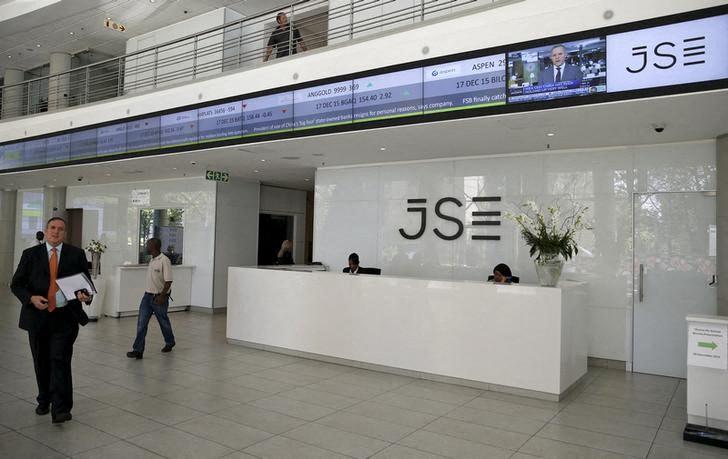
“The South African rand strengthened by approximately 1% against the US dollar in early trading on Friday, supported by a recovery in precious metals prices, particularly gold and platinum. The Johannesburg Stock Exchange’s Top 40 index also gained approximately 2.2% in early trading, while improved bond-market performance provided additional support, although concerns about global risk appetite and possible US interest-rate increases continued to create uncertainty.”
South African Rand Strengthens as Precious Metals Rally Boosts Financial Markets
South Africa’s financial markets received a welcome boost on Friday, 27 November 2026, as the rand strengthened against the United States dollar following a recovery in international precious metals prices. The currency’s improvement reflected renewed support from gold and platinum, two commodities that remain important to South Africa’s export economy and financial-market performance.
According to a Reuters report published on Friday morning, the rand traded at R17.3701 against the dollar at 07:26 GMT, representing an improvement of approximately 1% compared with its previous closing level. The Johannesburg Stock Exchange (JSE) also recorded positive momentum, with its Top 40 index rising approximately 2.2% in early trading. Meanwhile, South Africa’s benchmark 2035 government bond strengthened slightly as its yield declined by three basis points to 8.67%.
The developments offered encouragement to investors following a period of international market uncertainty. However, analysts cautioned that the rand could remain volatile because of a strong US dollar, expectations surrounding American monetary policy and fragile global investor confidence.
Precious metals provide important support
The recovery in precious metals prices was the central factor supporting the rand’s improvement during early Friday trading.
Gold, which is one of South Africa’s important mineral exports, recovered from a more than one-year low. Platinum also recorded a substantial improvement, gaining nearly 5% during the reported trading period. These movements provided renewed support for South African financial assets.
South Africa has a longstanding relationship with the global precious metals industry. Its mining sector contributes to export earnings, employment, investment activity and government revenue. Consequently, changes in international gold and platinum prices can influence the country’s currency, mining-company valuations and investor expectations.
When precious metals prices improve, mining companies may benefit from stronger revenue prospects, depending on production costs, exchange rates, operational performance and international demand. Investors may consequently become more interested in companies operating within the mining sector.
Higher international commodity prices can also strengthen expectations about foreign-currency earnings. Since mining companies sell significant quantities of their products internationally, stronger commodity markets can improve the outlook for export receipts.
Nevertheless, higher commodity prices do not automatically translate into stronger economic growth. Production constraints, electricity costs, transport infrastructure, labour expenses and global demand conditions remain important considerations.
For South Africa, the latest recovery therefore represents an encouraging market development rather than a guarantee of sustained improvement.
The rand gains against the US dollar
The rand’s movement against the dollar was one of the most important developments in Friday’s market activity.
At R17.3701 per dollar, the currency was approximately 1% stronger than its previous closing level at the time reported by Reuters. The improvement demonstrated how quickly emerging-market currencies can respond to changes in commodity prices and international investment sentiment.
The exchange rate matters because South Africa participates extensively in international trade. Businesses import machinery, industrial equipment, technology, fuel-related products and other goods that may be priced in foreign currencies.
When the rand weakens, imported products generally become more expensive in local-currency terms. This can increase costs for manufacturers, retailers, transport operators and consumers.
Conversely, a stronger rand can reduce the local-currency cost of certain imported goods, potentially easing some inflationary pressures. Businesses that rely heavily on imported inputs may benefit from more favourable exchange-rate conditions.
However, the benefits are not distributed equally across the economy. Exporters that earn revenue in dollars or other foreign currencies may receive fewer rand when converting their international earnings. Mining companies, manufacturers and agricultural exporters therefore have different exposures to currency movements.
A stronger rand can also influence international investors’ decisions about South African assets. Currency performance affects the returns foreign investors receive when converting their investments back into their home currencies.
For that reason, the latest improvement could provide a positive signal to investors assessing opportunities in South African equities and bonds.
Johannesburg Stock Exchange records stronger early trading
The JSE also benefited from the improved international market environment.
Reuters reported that the Top 40 index was approximately 2.2% higher in early Friday trading. This movement indicated renewed buying interest in major listed companies and suggested that improved precious metals prices were helping support investor confidence.
The Top 40 index tracks some of the largest companies listed on the Johannesburg Stock Exchange. Its performance is therefore an important indicator of activity among major South African listed businesses.
A stronger equity market can benefit investors through improved portfolio valuations and increased confidence. It can also help companies seeking to raise capital by supporting market perceptions of their business prospects.
Mining companies are particularly relevant when commodity prices are moving sharply. Higher gold and platinum prices can improve expectations about revenue and profitability, although actual financial results depend on production volumes, operating costs, hedging arrangements and exchange-rate movements.
Other sectors can also respond to currency and commodity developments. Banks, retailers, industrial businesses and investment companies may experience changing investor demand as expectations about economic conditions evolve.
However, a rise in the Top 40 index should not be interpreted as evidence that every listed company is performing well. Individual shares can move in different directions depending on their financial results, management decisions, debt levels and industry conditions.
Investors should therefore distinguish between broad market performance and the financial position of individual companies.
Government bonds show additional improvement
South Africa’s bond market also recorded a positive movement during the early trading session.
Reuters reported that the benchmark 2035 government bond became slightly firmer, with its yield falling three basis points to 8.67%.
Government bonds are important because they provide a mechanism through which governments borrow money from investors. Their yields reflect several factors, including inflation expectations, interest-rate forecasts, fiscal conditions, sovereign risk and international investment demand.
A decline in bond yields generally means that bond prices have increased, assuming other characteristics remain unchanged.
The latest improvement suggested that investors were showing some additional interest in South African government debt.
South African government bonds attract domestic and international investors because of their yields and their role in diversified investment portfolios. However, investors also assess the country’s economic outlook, public finances and ability to manage government borrowing.
Stronger commodity prices may improve sentiment towards South Africa because mining exports are an important source of foreign earnings. Nevertheless, the country’s long-term borrowing costs depend on much more than the performance of gold and platinum.
Government debt levels, economic growth, revenue collection and expenditure management remain important considerations.
International monetary policy remains a major risk
Despite Friday’s encouraging movements, international financial conditions continued to present challenges.
The Reuters report highlighted that the US dollar was trading near a 22-month high. It also noted that markets were anticipating a possible US Federal Reserve interest-rate increase in December.
These developments are important because US monetary policy influences international investment decisions.
When American interest rates rise, US-based financial assets may become more attractive to investors seeking returns. This can encourage capital to move towards dollar-denominated investments, putting pressure on emerging-market currencies.
South Africa is particularly exposed to these developments because international investors participate in its currency, equity and government bond markets.
If global investors become more cautious, emerging-market assets can experience increased selling pressure, even when their domestic economic conditions have not changed significantly.
A stronger dollar can also affect international commodity prices, which are frequently quoted in US currency. This creates additional uncertainty for countries such as South Africa that depend on mineral exports.
Wichard Cilliers, head of Market Risk at TreasuryONE, indicated that the recovery in technology and artificial-intelligence-related shares, together with stronger precious metals prices, was providing some relief to the rand.
However, he warned that risk sentiment remained fragile and that the currency was likely to remain volatile in the coming weeks.
Implications for South African businesses
The rand’s recovery could have several implications for businesses operating in South Africa.
Import-dependent companies may benefit if the currency’s improvement continues. Businesses purchasing machinery, electronic equipment, industrial components and other internationally traded products could experience lower import costs.
Retailers may also benefit from improved exchange-rate conditions when purchasing imported merchandise. However, the extent to which savings reach consumers depends on inventory costs, supplier contracts, operating expenses and pricing decisions.
Manufacturers could experience mixed effects. Those importing production materials may benefit from a stronger rand, while exporters may face reduced rand earnings when converting foreign-currency revenue.
The mining industry also has competing considerations. Higher gold and platinum prices can support revenue, while a stronger rand may increase the local-currency cost of certain expenses relative to foreign-currency earnings.
For small and medium-sized enterprises, currency movements remain particularly important because many smaller businesses have limited financial resources to absorb unexpected changes in supplier costs.
Companies that import products should monitor exchange-rate movements, review purchasing arrangements and carefully manage their cash-flow requirements.
Export-oriented businesses should also assess their foreign-exchange exposure and avoid assuming that favourable commodity prices will necessarily translate into higher local-currency profits.
What the recovery means for investors
For investors, Friday’s developments highlight the importance of monitoring several financial indicators together.
The rand, precious metals prices, equity indices and government bond yields are interconnected, although they do not always move in the same direction.
An investor assessing South Africa’s financial markets should consider the underlying reasons behind daily price movements rather than relying exclusively on headline market gains.
The recovery in gold and platinum prices provides an important explanation for the rand’s improvement. However, international interest-rate expectations, currency demand and broader investor confidence remain equally relevant.
Investors should also distinguish between short-term trading opportunities and long-term investment fundamentals.
A stronger rand and rising share prices can create positive market sentiment, but sustainable investment returns depend on company earnings, corporate governance, economic growth and appropriate risk management.
Diversification remains important, particularly when financial markets are responding to international developments.
South Africa’s broader economic outlook
The latest market developments also underline the importance of strengthening South Africa’s economic fundamentals.
The country has considerable mineral resources, established financial institutions and a developed stock exchange. These strengths provide opportunities to attract international investment and support economic expansion.
However, long-term financial-market confidence also depends on improvements in infrastructure, electricity supply, transport networks, employment opportunities and public-sector efficiency.
Mining companies require reliable infrastructure to transport products to export markets. Manufacturers need predictable electricity and competitive operating costs. Retailers and consumers benefit when inflation remains manageable and economic activity improves.
Financial markets can respond positively to favourable international developments, but lasting progress requires domestic reforms and productive investment.
A stronger commodity market may provide additional opportunities for South African mining companies. The challenge is ensuring that these opportunities translate into wider economic benefits through investment, employment, exports and stronger business activity.
Conclusion: Investors watch the rand, JSE and precious metals
South Africa’s financial markets experienced an encouraging start on Friday, 27 November 2026, as stronger precious metals prices supported the rand, equities and government bonds.
The rand strengthened approximately 1% to R17.3701 against the US dollar in early trading. Meanwhile, the JSE Top 40 index gained approximately 2.2%, and the benchmark 2035 government bond yield declined to 8.67%.
The recovery in gold and platinum prices provided the immediate support for the improved market performance. Nevertheless, expectations surrounding US interest rates, dollar strength and international investor confidence remain significant risks.
For South African businesses, the currency movement could create opportunities and challenges depending on their exposure to imports, exports and foreign-currency transactions.
For investors, the latest developments demonstrate the importance of following commodity prices, exchange rates, equities and bond yields together.
Ultimately, Friday’s market recovery offers a positive development for South Africa, but its sustainability will depend on international economic conditions, domestic economic performance and continued investor confidence.



