




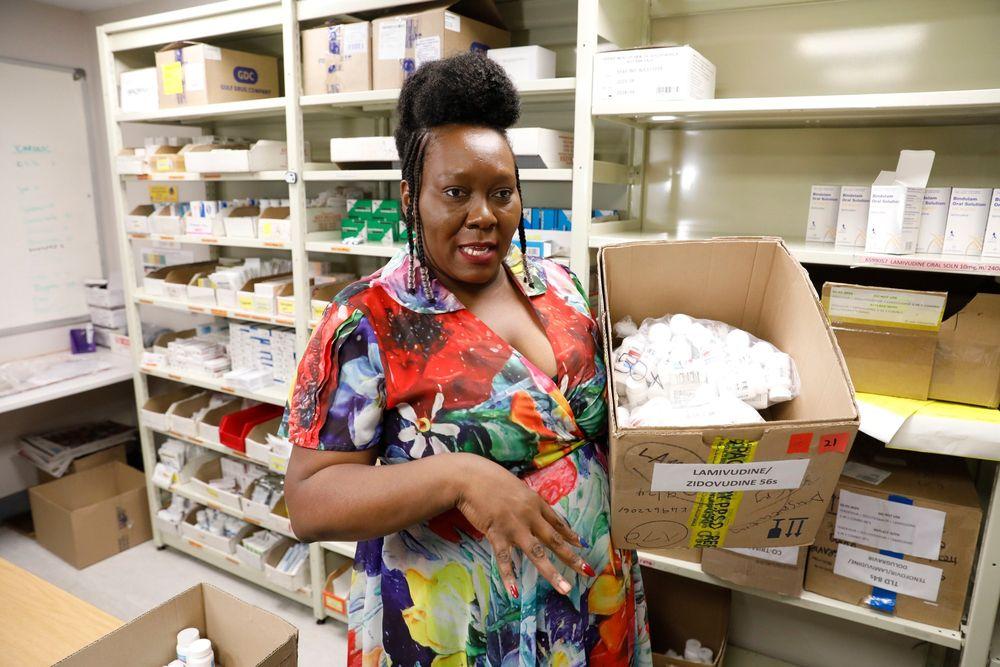
“South Africa’s public healthcare system is facing critical shortages of essential medicines, including psychiatric treatments used to manage schizophrenia, bipolar disorder and major depressive disorder, leaving vulnerable patients at risk of relapse and hospitalisation. Health professionals and pharmaceutical representatives are calling for improved procurement, supplier coordination, transparent stock reporting and urgent action to protect continuity of treatment.”
South Africa’s Critical Medicine Shortages Put Psychiatric Patients at Risk as Healthcare Crisis Deepens
Essential medicines shortages threaten treatment continuity
South Africa’s public healthcare system is confronting a serious medicine supply crisis, with psychiatric patients among the most vulnerable people affected by shortages of essential medicines. Reports published on 10 November 2026 indicate that government hospitals and clinics are experiencing stockouts of critical treatments, raising concerns about patient safety, treatment interruptions and the potential consequences for already overstretched healthcare facilities.
The South African Society of Psychiatrists (Sasop) has warned that medicines used to treat severe mental illnesses are particularly affected. Patients living with schizophrenia, bipolar disorder and major depressive disorder face the possibility of interrupted treatment, while healthcare professionals report increasingly limited options for managing shortages.
The situation is particularly concerning because psychiatric treatment often requires consistency. Patients who respond well to a particular medicine may not necessarily respond equally well to an alternative. Consequently, medication shortages can have consequences extending beyond the immediate inconvenience of collecting a prescription.
Psychiatric medicines shortages create serious risks
Dr Mvuyiso Talatala of Sasop has expressed concern about the shortage of psychotropic medicines in South Africa’s public healthcare sector. According to reports, some psychiatrists have encountered difficulties accessing essential treatments, while alternative medicines are also becoming increasingly limited.
Among the medicines affected are treatments used for schizophrenia, bipolar disorder and severe depression. Haloperidol, an antipsychotic medication, is also identified among products appearing on the National Department of Health’s shortage information.
Psychiatric medicines play an important role in controlling symptoms, supporting recovery and helping patients maintain stability in their daily lives. When established treatment is interrupted, some patients may experience a deterioration in their mental health.
Talatala has warned that relapses associated with interrupted medication can be harmful and may prove more difficult to manage. In some circumstances, patients experiencing serious deterioration may require hospital admission, placing additional pressure on facilities already struggling with limited beds and resources.
The implications extend beyond individual patients. Families and caregivers may also experience increased responsibilities when relatives become unwell, while healthcare professionals face additional demands associated with stabilising patients whose treatment has been disrupted.
Medicine shortages extend beyond mental healthcare
Although psychiatric medicines have attracted particular attention, the shortage crisis is not confined to mental healthcare.
South Africa’s national medicine shortage information has identified several products associated with different medical conditions. These include metformin, commonly used in diabetes management; spironolactone, prescribed for conditions including heart failure and hypertension; and beclometasone inhalers, used in the management of respiratory conditions such as asthma and chronic obstructive pulmonary disease.
This broad range of affected treatments demonstrates why medicine availability is a central issue for public healthcare delivery.
Patients with chronic conditions frequently depend on regular medication to control symptoms, prevent complications and reduce the likelihood of hospitalisation. Interruptions may therefore undermine treatment outcomes and increase healthcare costs over time.
The November medicine supply situation follows earlier reports of widespread shortages across public hospitals and clinics. A report published by Business Day on 5 November indicated that the national Department of Health’s October shortage list contained 165 critical medicine products, including treatments for cancer and severe mental illness.
The report also noted that more than one in seven medicines on the department’s master products list were considered at risk of running out.
These developments suggest that the challenge involves multiple therapeutic areas rather than isolated shortages affecting individual products.
Patients increasingly face financial pressure
One of the most troubling consequences of public-sector medicine shortages is the possibility that patients may need to obtain their prescriptions from private pharmacies.
Although private purchasing can provide an alternative when medicines are unavailable at public facilities, it is not a realistic option for everyone.
Many people using government healthcare services depend on publicly supplied medicines because their household incomes cannot support private pharmaceutical costs. Consequently, patients who are instructed to purchase medicines independently may face difficult decisions involving healthcare expenses, transportation, food and other essential household needs.
For patients requiring several medicines every month, even relatively modest additional expenses can become financially unsustainable.
Business Day previously reported that some public healthcare facilities were issuing prescriptions that enabled patients who could afford it to purchase medicines privately. This approach may provide temporary relief for certain patients, but it does not resolve the underlying supply problem.
The situation also highlights the potential for medicine shortages to deepen inequalities in healthcare access.
Patients with financial resources may be able to obtain alternative supplies, while those without sufficient money may experience interruptions in treatment.
Supply chains and procurement under scrutiny
The medicine shortage crisis has prompted questions about the effectiveness of South Africa’s pharmaceutical procurement and distribution arrangements.
According to pharmaceutical experts cited in recent reporting, shortages are being driven by a combination of domestic and international factors.
These include manufacturing delays, international supply-chain disruptions, procurement challenges, distribution problems and difficulties involving payments to pharmaceutical suppliers.
The Pharmaceutical Task Group has raised concerns about the sustainability of the public-sector tender system. Pharmaceutical manufacturers argue that unpredictable order volumes and difficulties adjusting production can complicate their ability to maintain reliable supplies.
Some suppliers have also reportedly experienced payment difficulties involving provincial health departments. Business Day reported that certain pharmaceutical accounts had been blocked because of outstanding payments.
Such circumstances can undermine confidence in procurement arrangements and complicate the delivery of essential medicines.
The National Department of Health has acknowledged that the current disruption involves multiple medicines and suppliers.
Department spokesperson Foster Mohale previously indicated that regulatory compliance issues involving certain local manufacturers had contributed to supply interruptions. Some manufacturing lines were reportedly closed following regulatory concerns involving the South African Health Products Regulatory Authority, or SAHPRA.
These developments demonstrate the importance of balancing pharmaceutical quality and regulatory compliance with reliable medicine availability.
International pressures complicate medicine availability
South Africa’s pharmaceutical supply chain is also influenced by international developments.
Medicines and pharmaceutical ingredients often depend on complex manufacturing and distribution networks that extend beyond national borders. Disruptions affecting shipping routes, production facilities and international trade can therefore influence medicine availability within South Africa.
Recent reporting has identified geopolitical tensions and disruptions affecting international transport as contributing factors to pharmaceutical supply difficulties.
However, international pressures alone do not explain every shortage.
Procurement planning, local manufacturing capacity, supplier relationships, payment arrangements and distribution efficiency also influence whether medicines reach hospitals and clinics on time.
Addressing the crisis therefore requires coordinated action across multiple parts of the pharmaceutical system.
Healthcare professionals call for better coordination
The Pharmaceutical Society of South Africa has emphasised the need for stronger coordination between healthcare facilities, pharmaceutical suppliers, provincial departments and national authorities.
Professor Renier Coetzee, president of the Pharmaceutical Society of South Africa, has highlighted concerns about whether medicines expected during November would arrive in sufficient quantities.
He has also emphasised the importance of better national information regarding medicine availability.
Reliable information can help healthcare facilities identify shortages earlier, coordinate supplies and determine where medicines are most urgently needed.
Pharmacists are particularly important in this process because they frequently identify stock problems before patients experience treatment interruptions.
Improved reporting systems could enable authorities to monitor shortages more effectively and distribute available medicines according to clinical needs.
The Department of Health has indicated that it is engaging with suppliers, exploring alternative procurement arrangements and considering special imports where appropriate.
These interventions may help reduce shortages, although their effectiveness depends on the availability of products, procurement timelines and the ability of suppliers to meet demand.
Protecting patients must remain the priority
Medical professionals face difficult decisions when established treatments become unavailable.
In certain circumstances, switching to an alternative medicine may be clinically appropriate. However, such decisions require careful consideration of the patient’s medical history, treatment response, dosage requirements and potential side effects.
Patients should not independently discontinue prescribed medicines, change dosages or substitute treatments without professional guidance.
Where a medicine is unavailable, patients should contact their healthcare facility, pharmacist or prescribing clinician to establish what safe alternatives or arrangements are available.
For psychiatric patients, continuity of care is particularly important because interruptions may contribute to symptom deterioration and relapse.
Healthcare facilities must therefore communicate clearly with patients when shortages occur and provide appropriate clinical guidance.
Strengthening South Africa’s pharmaceutical resilience
The current shortages highlight the importance of building a more resilient pharmaceutical supply system.
Potential priorities include improving procurement forecasting, strengthening local manufacturing capacity, ensuring timely supplier payments and maintaining more reliable medicine distribution networks.
Authorities could also improve transparency by publishing regular information about shortages, expected delivery dates and clinically appropriate alternatives.
Better coordination between public hospitals, community pharmacies and pharmaceutical suppliers would help healthcare professionals respond more quickly when particular medicines become unavailable.
Long-term solutions should also consider the sustainability of pharmaceutical contracts and the ability of manufacturers to maintain production during periods of increased demand.
South Africa’s healthcare system depends on reliable access to essential medicines to support patients with chronic conditions, infectious diseases, mental health disorders and other medical needs.
Conclusion: An urgent healthcare challenge requiring practical action
South Africa’s medicine shortages represent a significant challenge for public healthcare delivery, particularly for patients who depend on regular treatment.
The warnings issued by psychiatric professionals demonstrate how medicine availability can directly influence patient stability, hospital admissions and community wellbeing.
Although procurement problems, international disruptions and manufacturing challenges may contribute to the crisis, patients ultimately experience the consequences through interrupted treatment and additional financial pressure.
The immediate priority must be to protect vulnerable patients, improve communication about shortages and ensure that clinically appropriate alternatives are available when necessary.
At the same time, government authorities, pharmaceutical manufacturers, suppliers and healthcare professionals must work together to strengthen the systems responsible for delivering medicines.
Reliable access to essential medicines is not simply a logistical requirement. It is a fundamental component of effective healthcare, patient safety and the protection of human dignity.
As South Africa continues addressing medicine supply challenges, the success of its response will depend on whether patients can consistently obtain the treatments they need, when they need them.



