




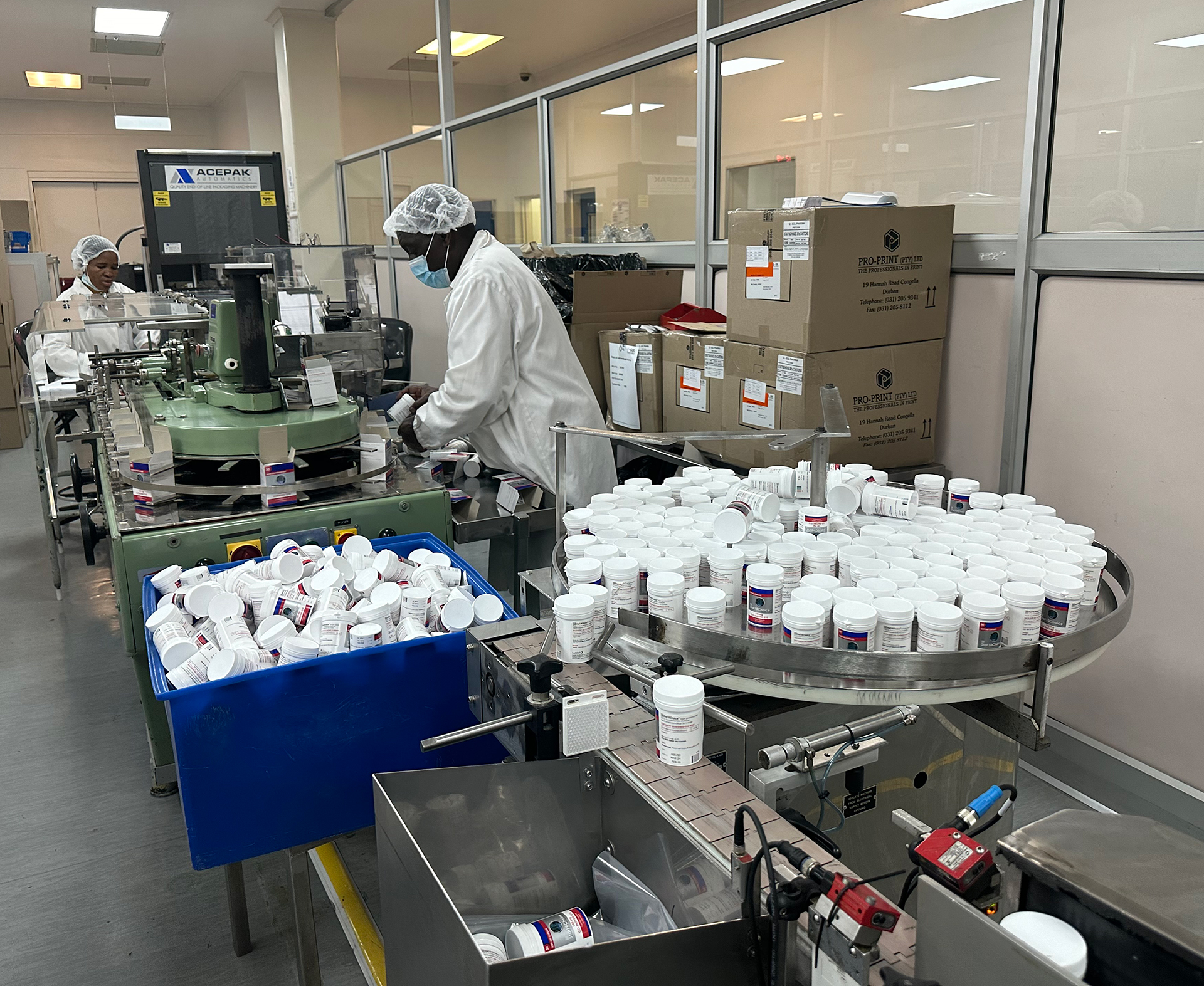
“President Cyril Ramaphosa has urged Southern African nations to embrace health sovereignty by expanding local pharmaceutical and medical manufacturing, framing it as both a political and economic imperative. His remarks at the SADC Summit highlight the intersection of medicine and politics, positioning healthcare independence as central to regional integration and resilience.”
South Africa’s political landscape has increasingly intertwined with healthcare policy, reflecting the urgent need to address systemic vulnerabilities exposed by recent crises. On 14 August 2026, President Cyril Ramaphosa delivered a pivotal address at the Southern African Development Community (SADC) Summit, calling for health sovereignty across the region. His remarks underscored the political dimensions of medicine, situating healthcare independence as a cornerstone of regional integration, economic development, and political stability.
The Political Context
SADC, established in 1980, has long been a vehicle for regional solidarity, initially focused on dismantling colonial and apartheid structures. Today, its mission has evolved to encompass deeper political, social, and economic integration. Ramaphosa’s speech framed healthcare as a political issue, arguing that dependence on external suppliers for medicines and vaccines undermines sovereignty and exposes nations to geopolitical vulnerabilities.
Health Sovereignty Defined
Ramaphosa described health sovereignty as the ability of Southern African nations to control their healthcare needs through local production of pharmaceuticals, vaccines, and medical commodities. With a population of over 430 million people, the region represents a significant market capable of sustaining large-scale pharmaceutical manufacturing. He emphasized that this shift would:
- Reduce reliance on imports.
- Improve access to essential medicines.
- Create jobs and stimulate industrial growth.
- Strengthen resilience against pandemics and health emergencies.
Economic and Political Implications
The call for health sovereignty is not merely a medical policy—it is a political strategy. By investing in local production, SADC countries can:
- Enhance bargaining power in global trade negotiations.
- Reduce vulnerability to supply chain disruptions, as seen during COVID-19.
- Promote regional solidarity, reinforcing SADC’s founding principle of collective self-reliance.
Ramaphosa linked healthcare independence to broader economic integration, noting that pharmaceutical manufacturing could benefit from existing initiatives such as the SADC Free Trade Area and one-stop border posts that facilitate the movement of goods and services.
Challenges Ahead
Despite the vision, several obstacles remain:
- Infrastructure gaps: Many countries lack advanced pharmaceutical facilities.
- Funding constraints: Large-scale investment is required to establish sustainable production.
- Regulatory harmonization: Diverse national policies must be aligned to create a unified market.
- Human capital shortages: Skilled professionals are needed to drive innovation and maintain quality standards.
These challenges highlight the intersection of politics and medicine, as governments must enact supportive legislation, allocate resources, and foster regional cooperation.
Regional Solidarity and Political Will
Ramaphosa’s appeal resonates with SADC’s historical ethos of solidarity. He reminded leaders that the bloc was founded as an act of moral unity against oppression, and today, that same spirit must be applied to healthcare. Political will is essential: without coordinated action, the vision of health sovereignty risks remaining aspirational.
Global Comparisons
Other regions have pursued similar strategies. The European Union has invested heavily in pharmaceutical autonomy, while India has become a global hub for generic medicine production. Ramaphosa’s proposal positions Southern Africa to follow suit, leveraging its population size and growing markets to attract investment and build capacity.
Public Health Benefits
The political push for medical independence carries profound public health implications:
- Improved access: Local production can lower costs and increase availability of medicines.
- Faster response: Regional manufacturing enables quicker distribution during crises.
- Equity: Reduced dependence on external suppliers ensures marginalized communities are not left behind.
Conclusion
President Ramaphosa’s call for health sovereignty marks a turning point in the intersection of medicine and politics in Southern Africa. By framing healthcare independence as a political imperative, he has elevated the debate beyond public health into the realm of governance, economic strategy, and regional solidarity. The success of this initiative will depend on sustained political will, investment, and cooperation among SADC member states.
If realized, health sovereignty could transform Southern Africa into a region that not only addresses its own healthcare needs but also emerges as a global player in pharmaceutical production—strengthening both its political autonomy and its public health resilience.



