




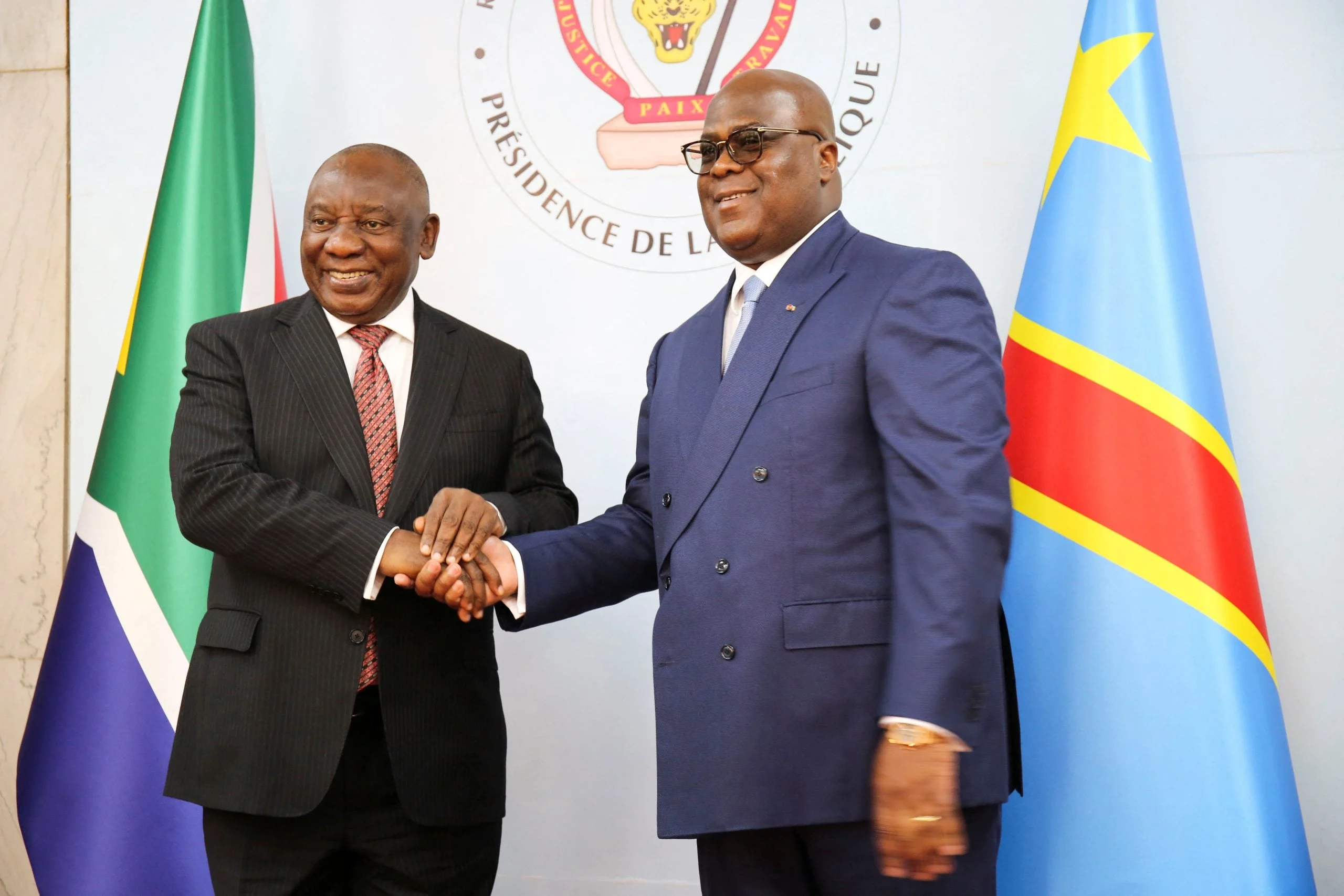
“President Cyril Ramaphosa, in his capacity as African Union Champion for Pandemic Preparedness, visited Kinshasa to express solidarity with the DRC amid its Ebola outbreak and migration challenges. His call for coordinated African action reflects South Africa’s growing influence in shaping regional policy and humanitarian responses.”
On July 2, 2026, President Cyril Ramaphosa undertook a high-profile African Union solidarity visit to Kinshasa, Democratic Republic of Congo (DRC). This diplomatic mission was not only symbolic but also strategic, reinforcing South Africa’s role as a key player in African international relations. The visit came at a time when the DRC is grappling with a deadly Ebola outbreak and mounting migration pressures, both of which have significant regional implications.
Context of the Visit
Ramaphosa’s trip was framed within his role as the AU Champion for Pandemic Preparedness, Prevention, and Response. The DRC has been battling a resurgence of Ebola, with hundreds of lives lost. South Africa’s engagement highlights the importance of African-led solutions to health crises, emphasizing solidarity, humanitarian access, and investment in local innovation.
Migration Challenges
Beyond health, Ramaphosa addressed migration issues, calling for a coordinated African response that balances human rights with national concerns. Migration has become a pressing issue across Southern Africa, with South Africa itself facing domestic tensions over irregular migration. By situating migration within a continental framework, Ramaphosa sought to shift the narrative from national crisis to regional cooperation.
Diplomatic Significance
This visit also reinforced South Africa’s bilateral ties with the DRC, a country of immense geopolitical importance due to its size, resources, and strategic location. Ramaphosa’s presence in Kinshasa signaled Pretoria’s commitment to supporting stability in the DRC, which has long been plagued by conflict and governance challenges.
Regional Cooperation
Ramaphosa’s remarks tied into broader Southern African Development Community (SADC) efforts to strengthen regional economies and security. His call for coordinated policy action reflects South Africa’s push to position SADC as a competitive global player, capable of responding collectively to crises ranging from pandemics to migration.
Humanitarian Dimension
The humanitarian aspect of the visit cannot be overstated. Ramaphosa emphasized urgent humanitarian access to affected communities in the DRC, underscoring South Africa’s role as a moral leader in African diplomacy. His advocacy for African-led health innovation also reflects a strategic vision: reducing reliance on external aid by building continental capacity.
International Relations Impact
South Africa’s reaffirmation of its commitment to strong ties with global partners, including the United States, complements its African diplomacy. By balancing continental solidarity with global partnerships, Pretoria is positioning itself as both a regional leader and a global actor. This dual strategy enhances South Africa’s credibility in international relations.
Domestic Implications
Domestically, Ramaphosa’s visit serves to bolster his image as a statesman capable of navigating complex international challenges. At a time when South Africa faces economic uncertainty and social tensions, his leadership on the continental stage provides a counter-narrative of strength and vision.
Conclusion
President Ramaphosa’s solidarity visit to the DRC represents a pivotal moment in South Africa’s international relations under politics. By addressing migration, health crises, and regional cooperation, he reinforced South Africa’s role as a leader in African diplomacy. The visit not only strengthened bilateral ties with the DRC but also advanced the African Union’s vision of collective action in the face of shared challenges.



