




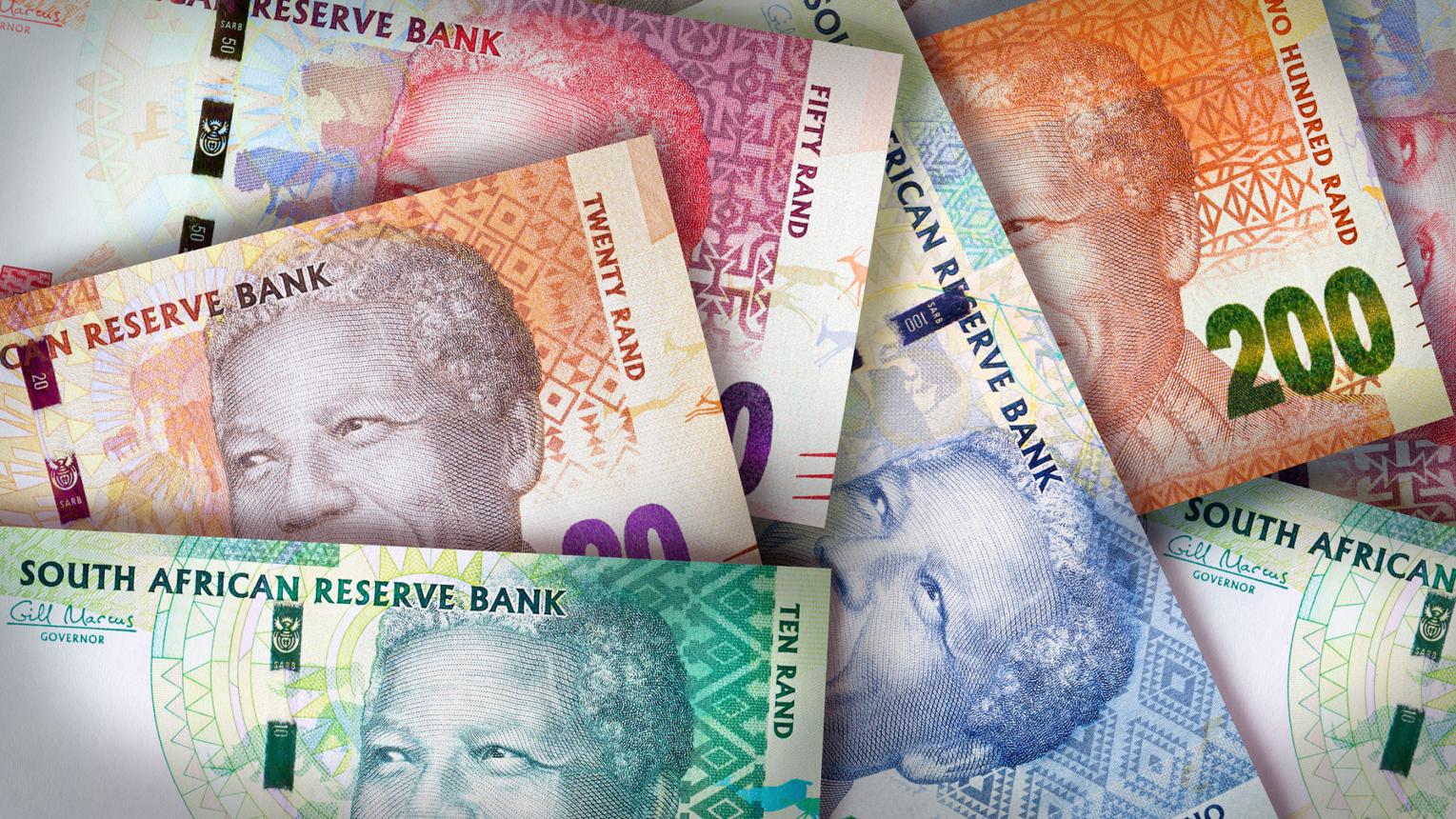
“The South African rand weakened against a stronger US dollar on Friday as vote counting continued following the country’s municipal elections. Preliminary election results indicated declining support for the African National Congress, adding political uncertainty to currency-market developments.”
South African Rand Faces Pressure as Stronger Dollar and Municipal Election Results Shape Market Sentiment
By Macroeconomics News Desk | 6 November 2026
The South African rand weakened against the United States dollar on Friday, 6 November 2026, as international currency movements and developments surrounding the country’s municipal elections influenced financial-market sentiment. The currency’s performance highlighted the continuing interaction between domestic political developments and global economic conditions in shaping South Africa’s macroeconomic outlook.
According to Reuters, the rand slipped against a stronger US dollar while vote counting progressed following municipal elections held earlier in the week. Preliminary results indicated further declining support for the African National Congress (ANC), adding another dimension to investors’ assessment of South Africa’s political and economic environment.
Although currency movements occur daily, changes in the exchange rate carry important implications for the broader economy. The rand influences import prices, inflation, international trade, investor confidence and the cost of servicing foreign-currency obligations. Consequently, its performance remains one of the important indicators monitored by economists, businesses, policymakers and financial-market participants.
Global dollar strength places pressure on the rand
The US dollar remains an important reference currency in international financial markets. Movements in its value influence emerging-market currencies, including the South African rand, particularly during periods of heightened uncertainty or changing expectations about international monetary policy.
When the dollar strengthens, investors may reassess the relative attractiveness of emerging-market assets. Currency movements can reflect changes in expectations concerning interest rates, economic growth, investment returns and perceived risks across different countries.
South Africa is particularly exposed to these developments because its economy maintains extensive connections with international financial markets. Foreign investment, commodity exports, imported goods and international financing all contribute to the country’s exposure to movements in global currencies.
A stronger dollar can also affect the cost of imported products priced in US dollars. These include petroleum products, certain manufactured goods, industrial inputs and other commodities used by South African businesses.
If the rand remains under sustained pressure, importers may face higher costs. Businesses that depend heavily on imported inputs could subsequently experience increased operating expenses, potentially affecting production decisions, investment plans and consumer prices.
Nevertheless, exchange-rate movements do not automatically translate into immediate inflation increases. The extent of the impact depends on how long currency weakness persists, the direction of international commodity prices, domestic demand conditions and the extent to which businesses absorb higher costs rather than passing them to consumers.
Municipal election developments attract economic attention
The ongoing municipal election count provided an additional factor influencing South African market sentiment on Friday.
Reuters reported that preliminary results pointed to declining ANC support as vote counting advanced.
Municipal elections are principally concerned with local government, but their economic significance can extend beyond political representation.
Municipal administrations influence essential economic infrastructure, including electricity distribution, water provision, sanitation, local roads and waste management. Their operational performance affects businesses, households and investors across the country.
For businesses, reliable municipal infrastructure is fundamental to economic activity. Electricity interruptions, deteriorating roads, water shortages and inefficient administrative processes can increase operating costs and discourage investment.
Conversely, municipalities that improve infrastructure maintenance, financial management and service delivery can contribute to stronger local economic performance.
The election results may therefore encourage investors and businesses to examine whether political changes could influence municipal governance, infrastructure management and the delivery of essential services.
However, electoral outcomes alone do not establish whether economic performance will improve or deteriorate. Investors generally require evidence of effective administration, credible financial management and measurable improvements in infrastructure and service delivery.
Currency movements and South Africa’s economic fundamentals
South Africa’s currency performance must be understood within the broader macroeconomic environment.
The country continues to face structural economic challenges involving limited growth, unemployment, infrastructure constraints and fiscal pressures.
The South African Reserve Bank’s September 2026 monetary policy statement projected economic growth of approximately 1.2% for the year, reflecting a weaker outlook than previously anticipated. The Bank also highlighted global uncertainty and persistent inflation pressures.
These conditions influence investor perceptions of South Africa’s economic prospects.
An economy experiencing stronger growth, improving productivity and expanding investment opportunities may attract additional capital. Conversely, persistent structural challenges can limit investment and contribute to uncertainty surrounding future economic performance.
South Africa’s ability to strengthen its growth outlook therefore remains closely connected to reforms involving electricity, transportation, logistics and local government.
Improving these areas could enhance productivity, reduce business costs and strengthen the economy’s capacity to attract domestic and international investment.
Inflation remains an important consideration
Currency movements also matter because South Africa imports a substantial proportion of its fuel requirements.
When the rand weakens against the dollar, imported petroleum products can become more expensive, particularly when international oil prices are also elevated.
Higher fuel costs affect transportation, agricultural production, manufacturing and distribution. Businesses may subsequently pass some of these costs to consumers through higher prices.
South Africa’s inflation environment has already experienced pressure from fuel prices.
Reuters reported that consumer inflation increased to 4.5% year-on-year in September 2026, compared with 4.4% in August. Transport inflation accelerated substantially, reflecting the influence of fuel costs.
These developments are important for monetary policy because persistent inflation can influence interest-rate decisions.
The Reserve Bank’s September policy statement indicated that inflation was expected to remain elevated into 2027, with a return to its 3% target projected towards the end of that year.
If exchange-rate weakness contributes to additional inflationary pressure, policymakers may need to consider its implications for inflation expectations and the broader economic outlook.
However, monetary policy decisions depend on a range of factors rather than exchange-rate movements alone.
Interest rates and investment considerations
South Africa’s interest-rate environment is another important element in assessing the rand’s performance.
The Reserve Bank increased its policy rate to 7.25% in September 2026. This decision reflected concerns about inflation risks and the possibility that external price shocks could become more persistent.
Higher interest rates can influence investment decisions by affecting the returns available on domestic financial assets.
They can also increase borrowing costs for households and businesses, potentially limiting consumption and investment expenditure.
For investors, South Africa’s interest-rate differential relative to other economies remains one consideration when evaluating currency exposure.
Nevertheless, attractive interest rates do not guarantee currency appreciation. Investors also consider political stability, economic growth, liquidity, inflation expectations and the sustainability of government finances.
Consequently, the relationship between interest rates and the rand is complex and can change as market conditions evolve.
Implications for businesses and consumers
The rand’s performance has practical implications for businesses operating in South Africa.
Import-dependent companies may experience higher costs when the currency weakens. Businesses purchasing equipment, machinery, technology or raw materials internationally may need to reconsider procurement budgets and pricing strategies.
Exporters, meanwhile, can sometimes benefit from a weaker rand because their foreign-currency revenues translate into more rand. However, this advantage depends on the proportion of imported inputs used in production and the competitiveness of their products in international markets.
Tourism businesses may also benefit when South Africa becomes relatively less expensive for international visitors, although the broader impact depends on travel demand and operating costs.
For households, currency weakness can indirectly influence the prices of fuel, transport, imported consumer goods and certain food products.
These effects are particularly important for lower-income households, which generally have limited flexibility to absorb rising living expenses.
The importance of investor confidence
Investor confidence remains a central consideration in South Africa’s macroeconomic outlook.
Political developments, economic reforms and infrastructure performance can influence perceptions of the country’s investment environment.
Investors typically assess whether a country offers predictable policymaking, credible institutions, sustainable public finances and opportunities for long-term economic growth.
South Africa’s ability to improve these conditions could help strengthen its investment appeal.
Municipal elections may therefore provide an opportunity for renewed attention to governance and service delivery, especially in municipalities facing financial or infrastructure challenges.
However, the economic consequences of political changes will depend on subsequent decisions and their implementation.
Economic outlook and what markets will monitor
The rand’s movement on Friday illustrates how international financial conditions and domestic developments can interact to influence South Africa’s economic outlook.
In the coming days, market participants will continue monitoring developments in the US dollar, international commodity prices, domestic political developments and economic indicators.
The Reserve Bank’s next monetary policy decision, scheduled for November, will also be important for investors assessing South Africa’s inflation and interest-rate outlook.
Economic data concerning inflation, growth, employment and public finances will remain central to determining whether South Africa can strengthen its macroeconomic position.
The country’s longer-term prospects will depend substantially on its ability to address structural constraints, improve productivity and expand employment opportunities.
Conclusion
The South African rand’s weakness on 6 November 2026 reflects the influence of a stronger US dollar alongside developments surrounding municipal election vote counting.
Although daily currency movements are influenced by numerous factors, the rand remains an important indicator of investor sentiment and South Africa’s exposure to international economic conditions.
The broader economic implications extend to inflation, imported goods, business costs, investment and monetary policy.
Ultimately, South Africa’s capacity to strengthen economic growth, improve infrastructure and maintain credible institutions will remain essential to supporting investor confidence and improving the country’s long-term economic performance.



