




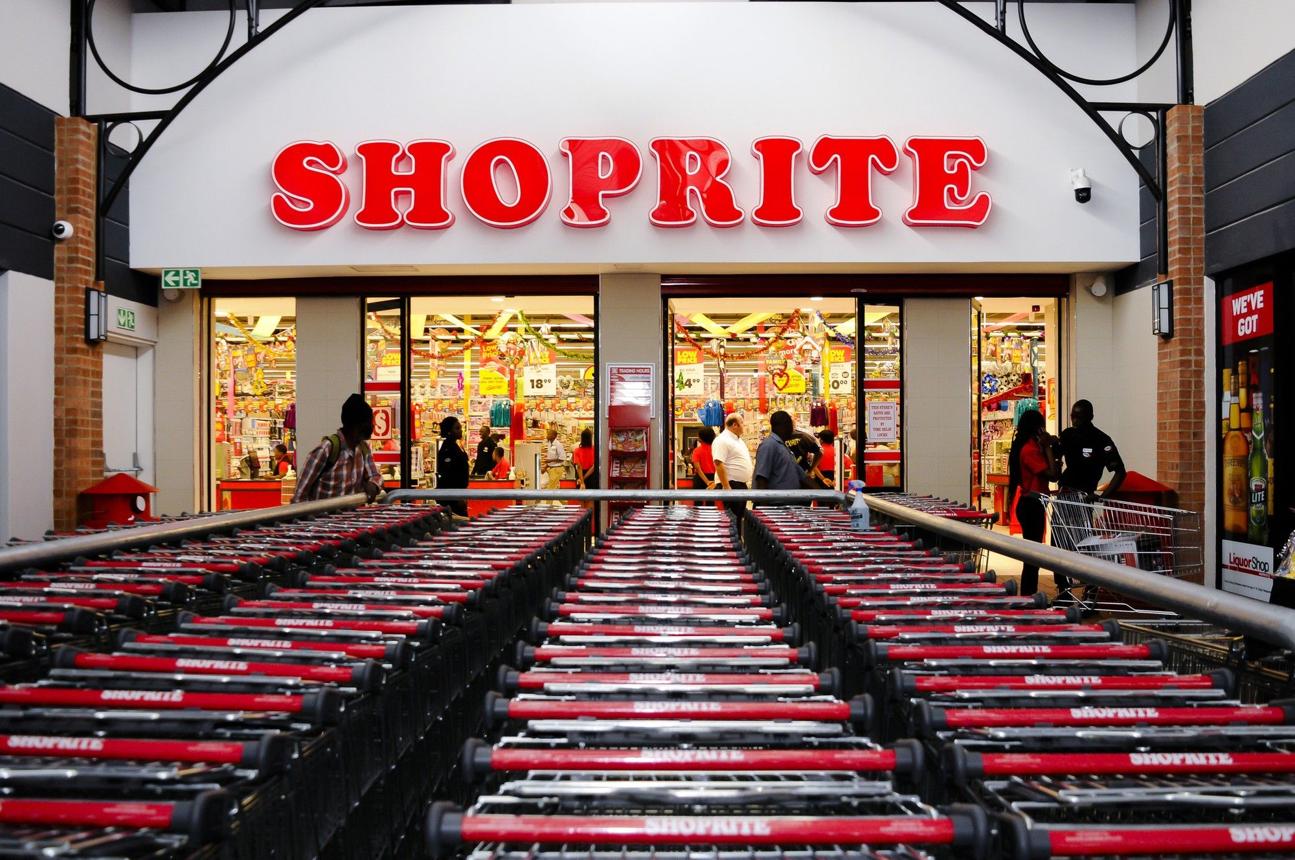
“Shoprite Holdings reported a 6.4% increase in sales from continuing operations for the four months to October 2026, with its South African supermarket business recording 7.1% growth and internal selling-price inflation remaining relatively low at 0.7%. The results highlight the retailer’s competitive strength, changing household purchasing behaviour, expanding digital grocery demand and the continuing importance of affordable prices in South Africa’s consumer market.”
Shoprite Sales Growth Highlights South Africa’s Changing Consumer Market as Competition Intensifies
Introduction
South Africa’s retail sector continues to provide important insights into household purchasing behaviour, market competition and the affordability of essential goods. Shoprite Holdings’ latest operational update, published on 6 November 2026, offers a detailed picture of these developments, showing how consumers, retailers and competing businesses are responding to changing economic conditions.
The supermarket group reported sales growth of 6.4% from continuing operations during the four months ending October 2026 compared with the corresponding period in the previous year. Its South African supermarket operations recorded an increase of 7.1%, while its digital grocery delivery platform, Checkers Sixty60, expanded sales by 33.4%.
However, the company’s reported internal selling-price inflation remained relatively modest at 0.7% in its South African supermarket business. This combination of sales growth and restrained selling-price increases provides an important perspective on the relationship between consumer demand, competitive pricing and business performance.
Retail Sales Growth Reflects Consumer Demand
The growth reported by Shoprite highlights the continued importance of supermarket spending within South Africa’s consumer economy.
Households purchase groceries regularly, making food retail a significant component of everyday economic activity. Unlike discretionary purchases such as luxury clothing, expensive electronics or holidays, groceries include essential products that consumers cannot easily eliminate from their budgets.
Consequently, supermarket sales can provide valuable information about consumer demand and purchasing patterns.
Shoprite’s South African supermarket operations recorded 7.1% sales growth during the four-month reporting period. The business includes Shoprite, Usave, Checkers, Checkers Hyper and LiquorShop.
The performance suggests that the retailer continued attracting customers despite challenging household affordability conditions.
Nevertheless, sales growth should not automatically be interpreted as an equivalent increase in the quantity of goods purchased. Revenue can increase because of changes in prices, volumes, product combinations, customer numbers or shopping frequency.
In this instance, the company’s relatively low internal selling-price inflation provides additional context for understanding the reported performance.
Competitive Pricing and Consumer Welfare
One of the most important microeconomic developments emerging from the report is the role of pricing in maintaining competitiveness.
Shoprite reported internal selling-price inflation of 0.7% in its South African supermarket business for the four months to October.
This measure reflects the retailer’s own pricing movements rather than the entire national food inflation basket.
When businesses keep price increases relatively restrained, they may attract price-sensitive customers seeking affordable groceries.
This is particularly important in markets where consumers can choose between several competing retailers.
South Africa’s supermarket industry includes Shoprite, Checkers, Pick n Pay, Boxer, Spar, Woolworths and other independent retailers.
These businesses compete through prices, product quality, promotions, store locations, customer service and convenience.
For consumers, stronger competition can create opportunities to obtain better value.
However, low price inflation does not necessarily mean that every grocery product has become cheaper. Individual prices may rise, decline or remain unchanged depending on production costs, demand and promotional activity.
The overall result reflects the combined movement of different products within the retailer’s pricing measure.
Market Competition and Retailer Market Share
Shoprite’s latest performance also highlights the importance of competition in determining market outcomes.
The company said its South African supermarket business grew 5.3 percentage points faster than the rest of the market during July to September, according to NielsenIQ data.
This suggests that Shoprite’s sales performance exceeded that of competing retailers during the period.
In microeconomic terms, businesses attempt to strengthen their competitive position by attracting customers from rival firms, increasing customer loyalty and improving their ability to satisfy consumer preferences.
Market share is particularly important because larger retailers can benefit from economies of scale.
These advantages may include improved purchasing arrangements, more efficient distribution systems, stronger bargaining power with suppliers and investments in technology.
However, economies of scale do not eliminate competition.
Retailers must continue responding to changing consumer preferences and the strategies adopted by competitors.
The supermarket industry therefore remains a dynamic market in which businesses constantly adjust their prices, product offerings and distribution methods.
Consumer Behaviour and Household Budget Constraints
The latest sales figures should also be understood within the broader context of household financial pressures.
Consumers operate within budget constraints determined by their incomes, prices and other financial commitments.
When transport, electricity, housing and food costs rise, households may have less money available for discretionary purchases.
This encourages consumers to prioritise essential goods and search for better value.
South Africa’s inflation figures illustrate these pressures.
Statistics South Africa reported that annual consumer inflation increased to 4.5% in September 2026, while food and non-alcoholic beverage inflation reached 1.2%. Transport costs remained a significant contributor to overall inflation.
These developments can influence how consumers allocate their spending.
Households may compare supermarket prices more frequently, purchase smaller quantities, switch brands or take advantage of promotional discounts.
They may also change shopping frequency to manage cash flow more effectively.
Such behaviour illustrates the economic principle of consumer choice: individuals attempt to maximise satisfaction while operating within financial limitations.
Digital Grocery Shopping Gains Momentum
Another significant development is the rapid growth of Checkers Sixty60.
The platform recorded sales growth of 33.4% during Shoprite’s latest four-month reporting period.
This performance demonstrates the growing importance of convenience in consumer decision-making.
Online grocery shopping reduces the time customers spend travelling to stores, navigating shelves and waiting at checkout counters.
For consumers with limited time, digital delivery can provide additional value beyond the products themselves.
However, convenience may also involve delivery fees, minimum order requirements or other costs.
Consumers therefore evaluate the total price of a shopping experience rather than simply comparing product prices.
Retailers, meanwhile, must balance the benefits of digital expansion against delivery expenses, fulfilment costs and operational efficiency.
The continued growth of Sixty60 illustrates how technological innovation can influence competition and consumer preferences.
Retail Expansion and Business Investment
Shoprite’s report also reflects the relationship between retail investment and employment.
The group opened 71 stores on a net basis during the reporting period, including 61 additional stores within its South African supermarket operations.
Store expansion can create employment opportunities in retail operations, logistics, distribution and related services.
New stores may also increase access to products for households in surrounding communities.
However, retail expansion requires investment in property, equipment, inventory, technology and staffing.
Businesses must evaluate whether the expected additional revenue will justify these expenses.
This decision reflects the microeconomic principle of profit maximisation, under which firms seek to allocate resources efficiently to generate sustainable returns.
Retailers must also consider the possibility of competition between nearby outlets, changing consumer demand and the availability of suitable locations.
Pharmacy Sales and Diversification
Shoprite’s latest operational update also highlighted growth in its pharmacy business.
Pharmacy sales increased by 17.6%, while Medirite and Medirite Plus recorded growth of 9.7%. The group’s pharmaceutical distribution business, Transpharm, increased sales by 21.3%.
These results illustrate the importance of diversification within the retail sector.
By offering products beyond groceries, retailers can serve additional consumer needs and generate revenue from different market segments.
Pharmacy products are particularly important because healthcare-related purchases can remain necessary even when households reduce discretionary spending.
Diversification may also enable retailers to use existing infrastructure, customer relationships and distribution networks more efficiently.
However, pharmacy operations involve different regulatory requirements, supplier relationships and competitive conditions from conventional grocery retailing.
Implications for South African Consumers
Shoprite’s latest results provide several important insights into the country’s consumer market.
First, affordable pricing remains a major competitive factor.
Second, consumer demand is increasingly influenced by convenience and digital shopping opportunities.
Third, competition between retailers continues to shape pricing strategies and market positioning.
Fourth, businesses are expanding into complementary sectors to diversify their revenue streams and strengthen customer relationships.
These developments are particularly relevant as South African households continue managing inflation, transport expenses and other essential costs.
The retail sector’s performance also provides an indication of how businesses respond to changing economic circumstances.
While sales growth indicates commercial activity, it does not necessarily mean that all households are experiencing improved financial conditions.
Consumers may continue purchasing essential goods while reducing spending in other categories.
Consequently, retail growth should be interpreted alongside inflation, household income, employment and consumer confidence indicators.
Conclusion
Shoprite’s sales update published on 6 November 2026 highlights the continuing importance of competition, affordability and consumer choice within South Africa’s microeconomic environment.
The retailer’s 6.4% overall sales growth, 7.1% increase in South African supermarket sales and 33.4% expansion in Sixty60 demonstrate the strength of its retail operations.
At the same time, relatively low internal selling-price inflation illustrates the importance of pricing strategies in attracting customers and maintaining competitive advantages.
The results show that South Africa’s supermarket market is being shaped by changing consumer preferences, technological innovation and the ongoing search for affordable products.
Ultimately, the interaction between household budgets, business investment and competition will remain central to the future performance of the country’s retail economy.



