




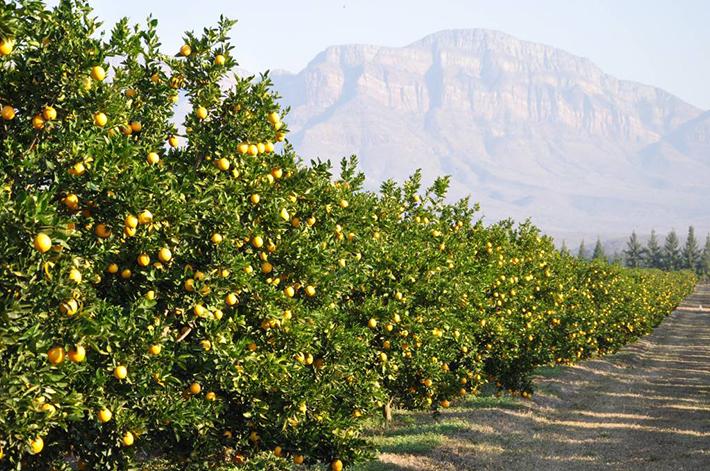
South African agricultural exporters are increasingly targeting China as a major alternative market following the impending withdrawal of the country’s preferential trade benefits under the African Growth and Opportunity Act (AGOA) from January 2027. China’s temporary zero-tariff programme, which covers qualifying South African products until April 2028, offers opportunities for citrus, wine, macadamia nuts, table grapes, cherries and processed agricultural goods, although exporters must still overcome regulatory, phytosanitary and logistical challenges.
South Africa targets China to protect agricultural exports and jobs amid AGOA trade uncertainty
Introduction: South Africa strengthens its international trade strategy
South Africa is intensifying efforts to expand agricultural exports to China as the country prepares for changes in its trading relationship with the United States. The strategy is intended to protect export earnings, support agricultural employment and create additional opportunities for local producers in international markets.
The development comes at a critical moment for South African agriculture. For many years, exporters have benefited from preferential access to international markets, including the United States through the African Growth and Opportunity Act (AGOA). However, the impending withdrawal of South Africa’s AGOA benefits, effective 1 January 2027, has increased pressure on government and businesses to identify alternative destinations.
China is emerging as an important opportunity because of its large consumer market and temporary zero-tariff arrangements for qualifying African products.
According to a report published by CAJ News Africa on 26 November 2026, South African agricultural producers are positioning themselves to expand exports of citrus, wine, macadamia nuts, table grapes, cherries and processed agricultural products to China.
China’s zero-tariff programme creates new export opportunities
One of the most important developments supporting South Africa’s export diversification strategy is China’s decision to provide zero-tariff treatment to qualifying products from African countries.
The programme began on 1 May 2026 and is scheduled to continue until 30 April 2028. South African products that satisfy the applicable rules of origin can enter the Chinese market without ordinary customs duties, subject to the programme’s conditions and exceptions.
For South African businesses, this arrangement creates an opportunity to improve the competitiveness of their products against suppliers from other countries.
Agricultural products such as wine and macadamia nuts could particularly benefit because they previously faced Chinese import duties. Agricultural economist Wandile Sihlobo indicated that South African wine faced duties ranging between 14% and 20%, depending on whether it was bottled or exported in bulk. Macadamia nuts attracted duties of approximately 12%.
Removing these duties could improve exporters’ pricing flexibility and make South African products more attractive to Chinese importers.
However, the commercial benefits will depend on whether producers can maintain competitive prices, meet quality standards and establish reliable distribution arrangements.
The Department of Trade, Industry and Competition has encouraged South African companies to use the temporary preference period to establish sustainable commercial relationships rather than treating it simply as a short-term opportunity.
Agricultural exports to China record encouraging growth
The expansion of South Africa’s agricultural trade with China is already showing encouraging signs.
According to figures reported by CAJ News Africa, South African agricultural exports to China approached US$500 million, equivalent to approximately R8.77 billion, between May and August 2026. This represented growth of more than 35% compared with the corresponding period in the previous year.
These developments suggest that Chinese demand could become increasingly important for South African agricultural producers.
The opportunity extends beyond the traditional export of raw agricultural commodities. South African businesses could also increase exports of processed foods, beverages and other higher-value products.
This distinction is important because value-added exports can create additional economic activity within South Africa. Instead of exporting only unprocessed agricultural products, businesses can invest in packaging, processing, storage and distribution.
Such activities could generate employment opportunities while strengthening the country’s manufacturing and agricultural industries.
The government has also encouraged exporters to identify products with clear commercial opportunities in China and develop targeted relationships with buyers.
Citrus industry remains a major beneficiary
South Africa’s citrus industry is among the agricultural sectors with significant opportunities in China.
The country reportedly exports approximately 11.5 million cartons of citrus to China annually, with an estimated value of US$130 million.
The industry supports more than 160,000 jobs, making international market access particularly important for agricultural communities and businesses.
Citrus exports include oranges, lemons, grapefruit and other varieties that serve different consumer markets.
China’s expanding demand for imported fruit could provide South African growers with opportunities to increase sales and strengthen their international presence.
However, success will depend on more than favourable tariffs.
Fresh fruit exporters must comply with strict phytosanitary requirements, product-quality standards, packaging regulations and transportation conditions. Citrus products also need reliable cold-chain systems to maintain freshness during international shipping.
South Africa and China have previously worked on improving citrus export protocols, including adjustments to cold-treatment requirements. These arrangements demonstrate the importance of technical cooperation in facilitating agricultural trade.
Consequently, continued cooperation between agricultural authorities and industry organisations will be essential to maximise the benefits of improved market access.
Wine and macadamia producers seek stronger Chinese demand
South African wine producers are another group that could benefit from China’s zero-tariff programme.
The wine industry has an established international reputation, supported by production expertise, diverse growing regions and recognised wine brands.
Reduced import duties could help local producers compete more effectively against international suppliers.
However, businesses will need to understand Chinese consumer preferences, distribution systems and product-positioning requirements.
Macadamia producers also have opportunities to expand their international sales.
South Africa is an established producer of macadamia nuts, and improved access to China could strengthen demand for both raw and processed products.
Value-added opportunities include packaged nuts, ingredients for food manufacturing and other consumer products.
Developing these markets could encourage investment in processing facilities and create additional opportunities for smaller agricultural businesses.
Nevertheless, exporters must ensure consistent product quality, sufficient production capacity and reliable supply arrangements.
Cherry exports offer another opportunity
China’s cherry market represents another potentially valuable destination for South African agricultural producers.
China imported approximately 586,900 tonnes of cherries in 2025, valued at around US$3.3 billion, according to figures cited in the CAJ News report.
This demonstrates the scale of the potential market.
The opening of China’s market to South African cherries could encourage investment in orchards, harvesting, packaging and export infrastructure.
Agriculture Minister Willie Aucamp has previously indicated that the market-opening agreement could generate approximately 600 additional employment opportunities.
For producers, the opportunity involves more than increasing fruit shipments. It could encourage investment in production technology, improved agricultural practices and stronger commercial relationships with international buyers.
However, exporters must still comply with market-specific inspection and plant-health requirements before products can enter China.
AGOA withdrawal increases pressure to diversify
South Africa’s efforts to expand agricultural exports to China are closely connected to uncertainty surrounding its trading relationship with the United States.
The US government announced its intention to withdraw South Africa’s AGOA benefits with effect from 1 January 2027.
AGOA has historically provided qualifying African products with preferential access to the American market.
South African agricultural exporters have benefited from this arrangement, particularly businesses supplying products such as citrus and wine.
According to the South African government’s response, AGOA-related exports to the United States were valued at approximately US$1.7 billion in 2025.
The government also indicated that approximately 89% of South African exports to the United States entered under ordinary World Trade Organization most-favoured-nation terms in that year.
Although the withdrawal does not mean that South African businesses will automatically lose access to the American market, affected products could face higher import duties and additional competitive pressures.
This creates uncertainty for businesses that have invested in production specifically for American customers.
The government is therefore seeking to protect existing commercial relationships while expanding access to other destinations.
The importance of African and Asian markets
China is not the only destination being considered as part of South Africa’s diversification strategy.
South Africa is also looking to strengthen trade within the African continent through the African Continental Free Trade Area (AfCFTA) and existing regional arrangements.
The African market offers opportunities for agricultural producers, manufacturers and service businesses seeking to expand beyond traditional export destinations.
According to CAJ News Africa’s report, International Relations and Cooperation Minister Ronald Lamola indicated that approximately 45% of South Africa’s exports went to Africa.
Asia and the European Union also remain important destinations.
Expanding trade with these regions could help South Africa reduce dependence on a limited number of export markets.
Furthermore, stronger African trade could encourage regional manufacturing, transportation, investment and agricultural cooperation.
For South African businesses, diversification should therefore involve a combination of international and regional opportunities rather than replacing one major trading partner with another.
South Africa seeks more value-added exports
An important part of the country’s trade strategy is increasing the value of products exported to international markets.
South Africa has considerable agricultural production capacity. However, exporting raw products without sufficient local processing can limit the economic benefits generated within the country.
Expanding food processing, packaging and manufacturing could allow local businesses to capture more value from international demand.
For example, citrus producers could benefit from investments in fruit processing, juice manufacturing, packaging and cold-storage facilities.
Similarly, macadamia producers could expand into packaged consumer products, while wine producers could strengthen their international brands through marketing and distribution partnerships.
These developments could support small businesses, agricultural cooperatives and larger commercial producers.
The Department of Trade, Industry and Competition has also promoted opportunities for value-added products through its China export-promotion initiatives.
This approach is important because successful export diversification should contribute to industrial development and employment rather than simply increasing the volume of commodities shipped overseas.
Challenges facing South African agricultural exporters
Despite the opportunities presented by China’s zero-tariff programme, South African exporters face several challenges.
1. Phytosanitary requirements
Agricultural exports must comply with strict plant-health regulations. Products that fail inspection or certification requirements may experience delays or rejection.
2. Transportation and logistics
Fresh agricultural products require efficient shipping arrangements, refrigerated storage and reliable port operations. Delays can affect product quality and increase operating costs.
3. Competition
South African producers must compete with agricultural suppliers from other countries that already have established relationships with Chinese importers.
4. Market knowledge
Exporters need to understand Chinese consumer preferences, distribution networks, pricing expectations and product regulations.
5. Production capacity
Businesses must be capable of supplying consistent quantities while maintaining internationally acceptable quality standards.
Addressing these challenges will require cooperation between government, agricultural associations, logistics providers, financial institutions and private-sector exporters.
The temporary zero-tariff programme will only deliver meaningful benefits if South African businesses can turn preferential access into actual commercial sales.
Economic implications for employment and investment
The expansion of agricultural exports could have significant implications for South Africa’s economy.
Agriculture supports employment across rural communities, including farming, harvesting, processing, transportation and distribution.
Greater international demand could encourage producers to increase investment in orchards, vineyards, irrigation systems, machinery and processing facilities.
Such investments could also create opportunities for suppliers of agricultural equipment, packaging materials, fertilisers and transportation services.
Small and medium-sized enterprises could benefit from participating in agricultural supply chains and providing supporting services to larger exporters.
Furthermore, increased export earnings could contribute to foreign-exchange inflows and strengthen South Africa’s international commercial relationships.
Nevertheless, the benefits will depend on the extent to which increased exports translate into sustainable production, competitive businesses and additional employment.
Outlook: China could become an increasingly important trading partner
South Africa’s growing focus on China reflects a broader effort to strengthen economic resilience in an uncertain international trading environment.
The zero-tariff programme offers an opportunity to expand agricultural exports while improving the competitiveness of qualifying South African products.
However, the programme is temporary, with its current implementation period ending on 30 April 2028.
This makes the development of longer-term trade arrangements particularly important.
South Africa and China have already been pursuing discussions aimed at creating more predictable commercial arrangements, including negotiations relating to a Southern African Customs Union-China Early Harvest Arrangement.
A sustainable agreement could help businesses make longer-term investment and production decisions.
At the same time, South Africa must continue strengthening trade relationships with the United States, European Union, African countries and other Asian markets.
A diversified export strategy would reduce exposure to sudden changes in individual trading relationships.
Conclusion
South Africa’s agricultural export ambitions in China represent an important opportunity to protect employment, increase international sales and strengthen the country’s economic position.
The temporary zero-tariff programme provides favourable conditions for citrus, wine, macadamia nuts, cherries, table grapes and processed agricultural products.
Nevertheless, preferential market access alone cannot guarantee success. Exporters must overcome technical regulations, logistical challenges, competition and market-entry barriers.
Government and the private sector will therefore need to work together to develop reliable export infrastructure, strengthen agricultural production and establish lasting relationships with international buyers.
Ultimately, the success of South Africa’s diversification strategy will depend on its ability to convert international trade opportunities into stronger domestic industries, sustainable employment and increased economic growth.
China offers an important opportunity, but South Africa’s long-term trade resilience will depend on maintaining a broad network of reliable international and regional markets.



